Può non sembrare verosimile,

conoscendo l'ottocento inglese, il purismo che lo connotava e l'ideale di femminilità che era al tempo diffuso, che una donna, nata nel Dorset nell'aprile del 1807, abbia potuto vivere una vita così tanto avventurosa, girando il mondo, sposandosi per ben quattro volte e divenendo l'amante di principi e re, ma ben si comprende perchè sia stata all'epoca vista come protagonista di una esistenza licenziosa e scevra da ogni principio aderente non solo all'etichetta ed al costume, ma anche alla moralità ed il cui nome e le cui 'gesta' legavano ben due continenti.
Nata presso Forston House

primogenita dell'ammiraglio Henry Digby e di Lady Jane Elizabeth nata Coke, visse tra gli agi del patrimonio di famiglia garantiti dal sequestro da parte del padre del tesoro spagnolo della nave Santa Brigada nel 1799 ( il nome di Henry Digby è legato alla battaglia di Trafalgar alla quale prese parte, sotto il comando dell'ammiraglio Nelson, quale capitano della HMS Africa ).
Era quello un'epoca d'oro per le persone di una certa levatura e le loro residenze rispecchiavano pienamente l'agio in cui conducevano la loro vita: ampi giardini con laghetti artificiali e fontane circondavano l'edificio principale in un continuum che lo legava strettamente alla natura circostante in cui era sommerso, cedendo gradatamente il passo ai boschi ed alle rive dei corsi d'acqua naturali.
"Più tardi, con i suoi grandi occhi di un blu quasi violetto e la carnagione bianco - rosata, 'la piccola Janet' ( come era chiamata in casa ) era qualcosa di realmente bello da vedere. I lunghi capelli color dell'oro che si arricciavano liberi dallo stile le incorniciavano il viso come un'aureola di luce, le sue guance brillavano come illuminate dal sole: era 'il ritratto della salute' dicevano gli abitanti dei villaggi locali: curiosa ed agile come un gattino, intelligente e desiderosa come un cucciolo, sembrava voler prendere il mondo per la coda, e c'era in lei, già allora, un fascino irresistibile.

Jane Digby by Sir William Charles Ross (1784 - 1860)
Questa spiccata vitalità affascinava il nonno, che era definito 'Coke di Norfolk' in tutto il paese e 'King Cole' da tutti nel Norfolk ". 1
E proprio presso la proprietà del nonno materno Jane trascorse la maggior parte della propria infanzia - più tardi egli verrà nominato primo conte di Leicester - ad Holkham Hall insieme con i cugini, gli undici figli della zia, Lady Anson, tra i vizi e le condiscendenze concessele dai nonni e dagli zii che la crebbero con un carattere ribelle e poco consono all'immagine di una lady.
All'età di 13 anni trascorse qualche tempo all'estero tra Francia, Italia e Svizzera, quando suo padre fu inviato a Malta: la sua straordinaria bellezza si faceva già notare tanto che la madre decise di anticipare il suo debutto in società quando da poco aveva compiuto solamente sedici anni.
Le eroine di Jane Austen esemplificano, con una toccante immediatezza contemporanea, l'importanza che aveva per una donna il debutto in società al tempo.
Vasti guardaroba di abiti da mattino, abiti da pomeriggio, da passeggio - i vestiti per uscire, gonne a palloncino, abitudini per cavalcare e adatti per ogni evenienza erano necessari. Ma mantelli ed abiti erano solo l'inizio. Accessori quali cappelli che vanno dal semplice cappellino piatto in paglia alla cuffietta a coroncina in velluto erano indispensabili. Guanti di seta, pizzo, raso e capretto per ogni attività che andava dal cavalcare, al camminare, al cenare e ballare, erano essenziali. Sandali, 'reticules', scialli, mantelline, ventagli, camicie, corpetti e sottovesti come altri indumenti intimi erano fondamentali. Tutto questo, faceva da base al corredo di una ragazza a quel tempo. Ulteriori spese erano previste per l'acquisto di un buon cavallo per la guida in Hyde Park (una vetrina privilegiata nel mercato matrimoniale) e per l'uso di una carrozza, dato che era inutile aspettarsi che una ragazza potesse viaggiare ovunque in portantina. Se i genitori non avevano una casa di città in cui poter abitare, dovevano anche mettere in conto il costo di una casa per 'la stagione' così come l'organizzazione di diverse cene 'accorte' e soirée, e alla fine un ballo. Era decisamente un investimento importante che serviva unicamente ad aumentare la pressione sulla ragazza dirigendo su di essa l'interesse di un uomo adatto.
Jane debuttò in una 'Drawing Room' reale nel marzo del 1824, quando lady Andover presentò sua figlia a re Giorgio IV e al mondo 'in voga'. Da allora Jane divenne un'adulta, libera di partecipare a feste per adulti e ai balli. Con queste premesse ed il suo bell'aspetto, era inevitabile che sarebbe stata un successo immediato. 2
Le eroine di Jane Austen esemplificano, con una toccante immediatezza contemporanea, l'importanza che aveva per una donna il debutto in società al tempo.
Vasti guardaroba di abiti da mattino, abiti da pomeriggio, da passeggio - i vestiti per uscire, gonne a palloncino, abitudini per cavalcare e adatti per ogni evenienza erano necessari. Ma mantelli ed abiti erano solo l'inizio. Accessori quali cappelli che vanno dal semplice cappellino piatto in paglia alla cuffietta a coroncina in velluto erano indispensabili. Guanti di seta, pizzo, raso e capretto per ogni attività che andava dal cavalcare, al camminare, al cenare e ballare, erano essenziali. Sandali, 'reticules', scialli, mantelline, ventagli, camicie, corpetti e sottovesti come altri indumenti intimi erano fondamentali. Tutto questo, faceva da base al corredo di una ragazza a quel tempo. Ulteriori spese erano previste per l'acquisto di un buon cavallo per la guida in Hyde Park (una vetrina privilegiata nel mercato matrimoniale) e per l'uso di una carrozza, dato che era inutile aspettarsi che una ragazza potesse viaggiare ovunque in portantina. Se i genitori non avevano una casa di città in cui poter abitare, dovevano anche mettere in conto il costo di una casa per 'la stagione' così come l'organizzazione di diverse cene 'accorte' e soirée, e alla fine un ballo. Era decisamente un investimento importante che serviva unicamente ad aumentare la pressione sulla ragazza dirigendo su di essa l'interesse di un uomo adatto.
Jane debuttò in una 'Drawing Room' reale nel marzo del 1824, quando lady Andover presentò sua figlia a re Giorgio IV e al mondo 'in voga'. Da allora Jane divenne un'adulta, libera di partecipare a feste per adulti e ai balli. Con queste premesse ed il suo bell'aspetto, era inevitabile che sarebbe stata un successo immediato. 2

Dopo otto settimane di corteggiamento egli chiese la sua mano per quello che sulla carta, sembrava un matrimonio perfetto: Law era un politico nascente, bello con una reputazione da libertino che a Jane non spiaceva, era devoto alla politica, spesso trascorreva lunghe ore alla Camera dei Comuni e a scrivere i propri discorsi durante la notte, cosa che indusse Jane a recarsi ai balli e alle cene da sola, ma dapprincipio sembravano una coppia felice almeno fino a che ella non venne a sapere che Edward aveva un'amante a Brighton dove avevano trascorso la luna di miele; fu allora che decise di cercare altrove amore e lo trovò tra le braccia del cugino George Anston dal quale ebbe un figlio.

Lady Jane Ellenborough ( neè Digby ) by James Holmes, 1824
dopo la nascita del piccolo Arthur Dudley, George, dei due il meno innamorato, lasciò Jane in preda ad un dolore immenso perchè con lui aveva perso il grande amore della sua vita; quella stessa estate conobbe il principe Felix von Scharzenberg, diplomatico austriaco in veste ufficiale a Londra.

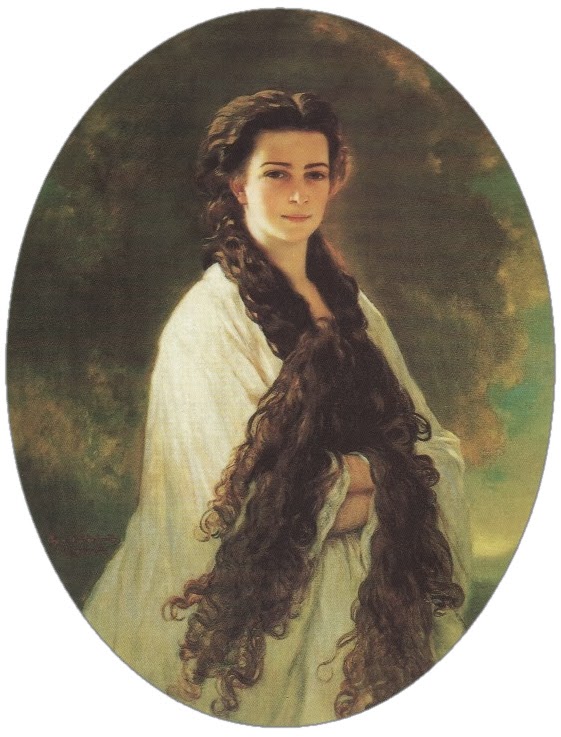
Jane, non rassegnata, si spostò a Monaco per essergli vicino mentre era a Berlino, ma lì conobbe re Ludwig I di Baviera del quale divenne presto intima amica: con lui condivideva l'amore per la mitologia e l'arte ed insieme con altre bellezze del tempo ebbe il suo ritratto eseguito dal pittore di corte Joseph Karl Stieler

Ludwig I von Bayern negli anni '30 dell'ottocento

Lady Jane Elizabeth Digby by Karl Joseph Stieler, 1831
successivamente, in un matrimonio meramente di convenienza, sposò il Barone bavarese Karl von Venningen che gli diede altri due figli, Heriberth e Bertha, ma il problema di fondo era che Karl voleva fare di lei una donna di casa quando sappiamo ormai che lei era piuttosto una donna di mondo che al mondo apparteneva.
Quando nel 1831 conobbe a Parigi Honorè de Balzac ed ispirò in lui uno dei suoi personaggi più famosi Lady Arabella Dudley, data la vividezza del ritratto che questi ne fece, circolarono voci che anch'egli fosse divenuto suo amante, una teoria che i biografi successivi hanno spesso accettato, nonostante non esistessero prove a supportarla.

Ella, frattanto, dopo cinque anni, convertitasi alla religione greco - ortodossa, sposò finalmente il suo conte, conoscendo forse il perido più felice della propria vita coronato dalla nascita del quinto figlio, Leonidas, l'unico al quale si sentì realmente legata e divenendo al tempo l'amante del re Otto, per una strana coincidenza figlio del suo primo amore, re Ludwig I di Baviera.
Purtroppo, un destino spesso non generoso volle strapparle la vita del suo piccolo e, perso a sei anni Leonidas che precipitò da un balcone, ella lasciò per sempre la Grecia alla volta del Medio Oriente decidendo di condurre una vita da avventuriera.
Ormai donna di mezz'età, ma ancora incredibilmente bella, Jane si diresse verso la Siria per vedere Palmyra il leggendario regno di Zenobia, dove incontrò e sposò l'amore della sua vita, un nobile beduino, lo Sceicco Medjuel el Mezrab, di ben vent'anni più giovane di lei; trascorse il resto della sua esistenza tra tende in accampamenti nel deserto e saloni del favoloso palazzo fatto costruire per lei dal marito a Damasco.

Questa la vita di Jane Digby, nobile inglese vissuta agli inizi del XIX secolo, considerata a suo tempo, con le proprie vicissitudini, paradigma di dissolutezza e di immoralità,

questo il ritratto che di lei con immenso piacere ho voluto fare per voi.
Un saluto dato con il cuore e con tutto il mio affetto a voi tutti che mi seguite con dedizione ed interesse,
a presto ♥


Bibliografia:
Mary S. Lowel, A Scandalous Life: The Biography of Jane Digby, Fourth Estate, 2012
Citazioni:
1 - Mary S. Lowell, A Scandalous Life: The Biography of Jane Digby, I - A Golden Childhood, 1807 - 1823
2 - Ibidem, II - The Débutante, 1824

Maybe it doesn't seem believable,
- picture 1
knowing the English XIXth century, the purism that connoted it and the ideal of femininity that was widespread at the time, that a woman, born in Dorset in April 1807, has been able to live a so adventurous life, traveling the world, getting married four times and became the mistress of kings and princes, but it's easy to understand why at the time she was seen as the protagonist of a licentious life free from any principle adherent not only to etiquette and costume, but also to morality and whose name and whose 'deeds' tyed two continents.
Born at Forston House,
- picture 2
the eldest daughter of Admiral Henry Digby and Lady Jane Elizabeth Coke, she lived amongst the luxuries of her family assets guaranteed from the seizure by her father of the Spanish treasure ship Santa Brigada in 1799 ( the name of Henry Digby is mainly related to the Battle of Trafalgar which he took part at, under the command of Admiral Nelson, as the captain of the HMS Africa ).
That was a golden age for peoples of a certain prosperity and the residences fully reflect the ease in which they led their lives: large gardens with ponds and fountains surrounding the main buildings in a continuum that was closely tyied the the natural surroundings in which it was submerged, gradually giving way to the woods and the banks of the natural waterways.
" Later, with her large violet - blue eyes and pink - and - white complexion, little Janet ( as her family called her then ) was a pretty sight. Her waist - lenght golden hair, curling free from the prescribed banded and ringleted style, glistened halo - like in the sunshine. Her cheeks glowed: " a picture of health" local villagers sayd. As curious and agile as a kitten, as intelligent and eager as a puppy, she seemed to want to take the world by the coat - tails, and there was about her, even then, an irresistible charm.
- picture 3 - Jane Digby by Sir William Charles Ross (1784 - 1860)
This alert vitality captivated her grandfather, who was called " Coke of Norfolk" throughout the country and " King Cole" by everyone in Norfolk." 1
And right at the property of his maternal grandfather, who will be later appointed first Earl of Leicester, Jane spent most of her childhood, at Holkham Hall, together with her cousins, her aunt's Lady Anson eleven children, between the vices and condescensions gave her by grandparents and uncles who grew her up with a rebellious nature and not well adapted to the image of a lady.
At age of 13 she spent some time abroad, including France, Italy and Switzerland, when her father was sent to Malta: her extraordinary beauty was already noted leading her mother to decide to anticipate her debut in society when she was just sixteen.
Jane Austen's heroines esemplify, with a touching of contemporary immediacy, the importance of a woman 'taking' duringdeher début.
Vaste wardrobes of morning dresses, afternoon dresses, walking - out dresses, ballgowns, riding habits and gowns suitable for every conceivable occupation were necessary. But cloakes and gowns were only the start. Accessories such as collection for hats ranging from the simple ship - straw to high - crowned velvet bonnet, were indispensable. Gloves of silk, lace, satin and kid for every occupation that might be fitted in between rising and retiring from walking to riding to dining and dancing, were essential. Sandals, reticules, shawls, tippets, fans, chemises, camisoles and undergarments such as stays were obligatory. All of this, which look, would from the basis of a girl's trousseau in due course. Further expenditure included the cost of a good horse for riding in Hyde Park ( a prime shopwindow in the marriage market )and the use of a carriage, since it was no use expecting a girl to travel everywhere by sedan chair. If the parents had no town - house of their own, and no realtive with from to stay, they must also bear the cost of hearing a house for the season as well as organising several smart dinner parties and soirée, and at last one ball. It was a hugh investment, and this can only have served to heighten the pressure on the girl to fix the interest of a suitable man.
Jane made her debut at a royal 'Drawing Room' in March 1824 when lady Andover introduced her daughter to King George IV and the fashionable world. Henceforward Jane was an adult, free to attend adult parties and dances. With her background connection and appearance, it was inevitable that she would be an immediate success. 2
- picture 4 on the left - A few weeks after her official debut in society, Jane met Edward Law, second Baron Ellenborough ( later became the Earl of Ellenborough and General Governor of India ), a widower for many years and of 17 years older than her.
After eight weeks of courtship, he asked for her hand for what, on paper, looked like a perfect marriage: Law was a rising politician, nice with a rakish reputation that Jane didn't mind, he was devoted to politics, often spending long hours in the House of Commons writing his own speeches during the night, which prompted Jane to go to balls and dinners alone, but at first they seemed a happy couple at least until she knew that Edward had a mistress in Brighton where they had spent their honeymoon.
It was then that she decided to look for love elsewhere and found it among the arms of her cousin George Anston from whom she had a son;
- picture 5 - Lady Jane Ellenborough ( neè Digby ) by James Holmes, 1824
after the birth of little Arthur Dudley George, who of them was the less in love, left Jane in the throes of a huge pain because she felt to have lost the great love of her life.
That same summer in London she met Prince Felix von Scharzenberg, an Austrian diplomat on an official trip.
- picture 6 on the right - At that time she hadn't her heart free from the pain of th lost love yet, but the obstinacy of the prince won her initial coldness and their relationship laid the foundations for the definitive breakdown of her marriage with Ellenborough by which she divorced officially by of an act of Parliament in 1830; while the divorce proceedings were still in progress she followed the prince in his diplomatic trips to Basel, then to Paris, and they had two children, Mathilde, born in 1829, and Felix, in 1830, who died a few weeks after his birth, marking the end of the relationship with the prince: after accusing her of infidelity, he left her forever.
Jane, not resigned, moved then to Monaco to be near him while he was in Berlin, but there she met King Ludwig I of Bavaria which soon she became intimate friend of: they shared a deep love for mythology and art and together with other beauties of the time she had her portrait painted by the court painter Joseph Karl Stieler
- picture 7 - Ludwig I von Bayern in the 30's of the XIXth century
- picture 8 - Lady Jane Elizabeth Digby by Karl Joseph Stieler, 1831
later, in a marriage of merely convenience, she married the Bavarian Baron Karl von Venningen and gave him two sons, Heriberth and Bertha, but the basic problem was that Karl wanted to make her a woman of the house when we now know that she was quite a woman of the world that the world belonged.
When in 1831 she met in Paris Honoré de Balzac and inspired him one of his most famous characters, Lady Arabella Dudley, given the vividness of the picture that he made, rumors circulated that he too was become her lover, a theory that subsequent biographers have often accepted, even though there were no evidence to support it.
- picture 9 on the right - Shortly after Bertha's birth , Jane knew the Greek Count Spiridon Theotoky of which soon became lover: her husband challenged him to a duel, and although he managed to wound him, he decided to give up all rights to his wife and to assume the protection of his two children, staying Jane's friend for the rest of his life.
In the meanwhile, after five years, during which she converted to the Greek - Orthodox religion, finally married her count, knowing perhaps the happiest period of her life crowned by the birth of her fifth child, Leonidas, the only one whom she felt really tied up and becoming at the time the mistress of King Otto, by a strange coincidence the son of his first love, King Ludwig I of Bavaria.
Regrettably, a fate often scarcely generous wanted to snatch her child's life, and she lost Leonidas, who fell down from a balcony, when was just six ... she left Greece for ever for the Middle East and decided to lead a life as an adventurer.
Now a middle-aged woman, but still incredibly beautiful, Jane went to Syria to see the legendary kingdom of Palmyra in Zenobia, where she met and married the love of her life, a Bedouin nobleman, Sheikh Medjuel el Mezrab, twenty years younger than her; she spent the rest of her life among tents in camps in the desert and the halls of the fabulous palace built for her by her husband in Damascus.
- picture 10 on the left - Jane never converted to Islam, but she dyed her hair dark because light hair in the east was considered a bad omen; she passed away at the age of 74 years at the culmination of a life full of adventures, became the 'Daughter of the Desert', aftrer that, returned to England to visit her parents in 1881, she perceived to be rejected by the Victorian society in which Victoria and Albert had made even more morally rigid than it was when she left ... if we think that the Victorians covered the legs of their pianos and taught the women to close their eyes and think of England, we do well understand how this woman, whose life was conducted in the exclusive respect for the rules of the passion, was judged and looked upon as something horrible, having left three husbands still alive!
This is the life of Jane Digby, an English nobleman lived in the early XIXth century, considered in her time, with her ups and downs, the paradigm of debauchery and immorality,
- picture 11
this is the portrait of her which, with great pleasure, I wanted to do for you.
A greeting given from the heart and with all my love to all of you following me with dedication and interest,
see you soon ♥


Bibliography:
Mary S. Lowel, A Scandalous Life: The Biography of Jane Digby, Fourth Estate, 2012
Quotations:
1 - Mary S. Lowell, A Scandalous Life: The Biography of Jane Digby, I - A Golden Childhood, 1807 - 1823
2 - Ibidem, II - The Débutante, 1824