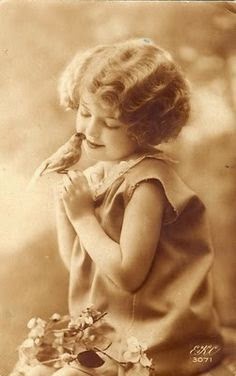
Elizabeth Barrett Moulton-Barrett was born (it is supposed) on March 6, 1806, at Coxhoe Hall, between the villages of Coxhoe and Kelloe in County Durham, England, into a very wealthy family enriched by the sugar plantation trade in Jamaica. Her parents were Edward Barrett Moulton-Barrett and Mary Graham Clarke. She was the eldest of twelve children (eight boys and four girls), eleven of whom lived to adulthood; one daughter died aged three, when Elizabeth was eight. All the children had nicknames: Elizabeth's was "Ba"; she rode her pony, went on family walks and pic-nics, socialized with other families in the county, and attended home plays. But unlike her siblings, she immersed herself in books whenever she could, distancing herself from the social rituals of her family. She showed precocious intelligence and a great aptitude for study, particularly for Latin and Greek poets, for Shakespeare and Dante. Her love for letters led her, still a child, to a remarkable knowledge of classical languages and philosophy, especially metaphysics. She began writing poetry at the age of four. As was usual at the time in aristocratic families, Elizabeth received a private education together with her older brother: Daniel McSwiney was their teacher. As an autodidact, she also successfully devoted herself to the study of Hebrew to deepen her knowledge of the Bible: in fact, from a very young age, she was animated also by a deep and attentive faith.
In 1809 the family moved to Hope End, a 500-acre (200 ha) estate near the Malvern Hills in Ledbury, Herefordshire. Her father converted the Georgian house into stables and built a new villa of opulent Turkish design, which her wife described as something out of the Arabian Nights shows.
Around this time, Elizabeth began battling a disease that the medical science of the time was unable to diagnose. Today we know that hers was a hypokalemic periodic paralysis: it is a myopathic disorder that involves the presence of occasional episodes of muscle weakness due to an excessive consumption of potassium during the critical phases, obviously due to a dysfunction. All three sisters suffered from this syndrome, although it persisted over time only for her. Elizabeth complained of intense pain in the head and spine accompanied by loss of mobility. Sent to inpatient care at Gloucester Baths, she was treated – in the absence of symptoms to support another diagnosis – for a spinal problem.
To dull the pain she began taking opiates, laudanum and the then commonly prescribed morphine and, thus, she would become addicted to these substances for much of her adulthood; the use of these substances from an early age may have contributed to her fragile health.
Elizabeth's mother died in 1828. Sarah Graham-Clarke, her aunt, sister of her lost mother, assisted her in caring for her younger siblings, but she often clashed with her strong will. Three years later, in 1831, her paternal grandmother, Elizabeth Moulton, died. Following the lawsuits and the abolition of slavery, Mr Barrett suffered great financial and investment losses which forced him to sell Hope End. Although the family never found itself in poverty, the place was seized and put up for sale to satisfy the creditors. Always secretive in his financial dealings, he kept quiet about his economical situation and the family was obsessed with the idea that they might move to Jamaica.
Between 1833 and 1835 she lived with her family at Belle Vue in Sidmouth. The place has now been remodeled and renamed Cedar Shade. In 1838, some years after the sale of Hope End, the family settled at 50 Wimpole Street. During 1837-38 the poetess was again struck by an illness, with symptoms which today suggest a tuberculous ulceration of the lungs. In the same year, at the insistence of her doctor, she moved from London to Torquay on the Devonshire coast. Her former home is now part of the Regina Hotel. In February 1840, her brother Samuel died of fever in Jamaica. Then her favorite brother Edward ("Bro") drowned in a sailing accident off Torquay in July. This had a serious effect on her already fragile health: she felt guilty because her father had disapproved of Edward's trip to Torquay and she had not spoken out. The family moved back to Wimpole Street in 1841 and stayed in Torquay during the Summer.

In Wimpole Street, Elizabeth spent most of her time in her upstairs room. Her health began to improve, even though she saw few people other than her immediate family. One of these was John Kenyon, a wealthy friend and distant cousin of the family and patron of the arts. She was comforted by a spaniel named Flush, a gift from her friend Mary Mitford. (Virginia Woolf later fictionalized the dog's life, making him the protagonist of her 1933 novel Flush: A Biography).
Between 1841 and 1844 Elisabeth was prolific in poetry, translation and prose. Since she was not burdened with the domestic duties expected of her sisters, she could devote herself entirely to the intellectual life, cultivating an enormous correspondence and reading widely.
Her 1844 volume Poems made her one of the most popular women writers in the country and inspired Robert Browning to write to her.

He wrote to her:
"I love your verses with all my heart, dear Miss Barrett", praising their "fresh and strange music, opulent language, exquisite pathos and truly brave new thinking".
Kenyon arranged for Browning to meet Elizabeth on May 20, 1845, in her chambers, and thus began one of the most famous courtships in literature. Elizabeth had already produced a great deal of work, but Browning had a great influence on her later writings, although it was, of course, reciprocal: two of Barrett's most famous works were written after her meeting with Browning, Sonnets from the Portuguese and Aurora Leigh. Robert Browning's Men and Women was also born at that time. Some critics argue that her activity was, in a sense, in decline before meeting Browning: until the beginning of her relationship with him, in 1845, Elizabeth's willingness to engage in public discourse on social and on aesthetic matters in poetry, which had been so marked in her youth, was gradually declining, concurrent with her physical health. Intellectually and physically she was becoming a shadow of her former self.
Robert Browning's engagement and marriage to Elizabeth was secret, as she knew her father would disapprove of it all. After a private wedding at the parish church of St Marylebone, they went on honeymoon to Paris before moving, in September 1846, to Italy, which became their home almost continuously. Her faithful maid, Elizabeth Wilson, witnessed the wedding and accompanied the couple to Italy.
As soon as he heard of the marriage, Mr Barrett disinherited Elizabeth, as he did with each of his sons who got married: she had foreseen her father's anger, but had not foreseen that her brothers would agree with him. Since Elizabeth had her own money, the couple got on quite well in Italy. The Brownings went to live in Florence, in what they called Casa Guidi, they were well respected and even famous. Elizabeth's health improved and in 1849, at the age of 43, between four miscarriages, she gave birth to a son, Robert Wiedeman Barrett Browning, whom they named "Pen".

The couple became acquainted with a wide circle of artists and writers including William Makepeace Thackeray, the sculptors Harriet Hosmer and Harriet Beecher Stowe, Margaret Fuller Carlyle and the long-admired French novelist Amantine Aurore Lucile Dupin known under the pseudonym George Sand. Elizabeth also had among her close friends in Florence the writer Isa Blagden. They met Alfred Tennyson in Paris and John Forster, Samuel Rogers and the Carlyles in London, and befriended Charles Kingsley and John Ruskin.
After the death of an old friend, G. B. Hunter, and later of her father, Elizabeth's health began to fail. The Brownings moved from Florence to Siena, residing at the Villa Alberti. Absorbed in Italian politics, she published a small volume of political poems entitled Poems before the Congress (1860) most of which were written to express her sympathy for the Italian cause after the riots broke out in 1859. They caused a stir in England and the conservative magazines Blackwood's and Saturday Review labeled her a "fanatic". This book was dedicated to her husband. Elizabeth's sister Henrietta died in November 1860. The couple spent the Winter of 1860-61 in Rome where the poet's health deteriorated further and they returned to Florence in early June 1861. She grew increasingly weak, increasing doses of morphine for pain relief. She died on June 29, 1861 in her husband's arms. Browning said that she breathed her last "smiling, happy and with a face like a girl's ... Her last word to her was ... 'Beautiful'". She was buried in the English Protestant Cemetery in Florence. That day the shops in the area around Casa Guidi were closed, while Elizabeth was mourned with unusual demonstrations.
She had lived with a chronic illness, intermittently self-isolating, for much of her adult life. The emergency that made her rush to Torquay had been a coughing up blood. Unlike John Keats, however, it appears that she did not have tuberculosis, but that hers was asthmatic bronchitis which, without modern clinical treatment, eventually led to the pneumonia which took her life at 55. For this brilliant woman, who at six was writing French poetry and drama at ten, and whose first book was published at fourteen, "her chains of her prison" had become intolerable.
Our time is over, today, alas!
Thanking you from the bottom of my heart,
I'm sending my dearest embrace to you all,
with neverending gratitude.
See you soon ❤

Dany

~ RITRATTO DI SIGNORA ~
Elizabeth Barrett Browning
IMMAGINE DI COPERTINA
ELISABETH BARRETT MOULTON RITRATTA IN GIOVANE ETA'
Elizabeth Barrett Moulton-Barrett nacque (si suppone) il 6 marzo 1806, a Coxhoe Hall, tra i villaggi di Coxhoe e Kelloe nella contea di Durham, in Inghilterra, da una famiglia molto benestante arricchita grazie al commercio delle piantagioni di zucchero in Giamaica. I suoi genitori erano Edward Barrett Moulton-Barrett e Mary Graham Clarke. Ella era la maggiore di dodici figli (otto maschi e quattro femmine), undici dei quali vissero fino all'età adulta; una figlia morì all'età di tre anni, quando Elizabeth ne aveva otto. I bambini avevano tutti dei soprannomi, quello di Elizabeth era "Ba"; cavalcava il suo pony, faceva passeggiate e pic-nic in famiglia, socializzava con altre famiglie della contea e partecipava a pièce teatrali casalinghe. Ma a differenza dei suoi fratelli, si immergeva nei libri tutte le volte che poteva, allontanandosi dai rituali sociali della sua famiglia. Mostrò un'intelligenza precoce e una grande attitudine allo studio, in particolare per i poeti latini e greci, per Shakespeare e Dante. Il suo amore per le lettere la condusse, ancora bambina, ad una notevole conoscenza delle lingue classiche e della filosofia, soprattutto della metafisica. Iniziò a scrivere versi all'età di quattro anni. Come era usuale allora presso le famiglie aristocratiche, Elizabeth ricevette un'istruzione privata insieme con il fratello maggiore: Daniel Mc Swiney fu il loro insegnante. Da autodidatta, si dedicò con successo anche allo studio dell'ebraico per approfondire la conoscenza della Bibbia: fin da giovanissima, infatti, fu animata anche da una fede profonda e attenta.
Nel 1809 la famiglia si trasferì a Hope End, una tenuta di 500 acri (200 ettari) vicino alle colline di Malvern a Ledbury, nell'Herefordshire. Suo padre trasformò la casa georgiana in stalle e costruì una nuova villa dall'opulento design turco, che sua moglie descrisse come qualcosa proveniente dagli spettacoli delle "Mille e Una Notte".
Più o meno in questo periodo, Elizabeth iniziò a combattere una malattia che la scienza medica dell'epoca non era in grado di diagnosticare. Oggi sappiamo che la sua era una paralisi periodica ipokaliemica: si tratta di un disturbo miopatico che prevede la presenza di episodi occasionali di debolezza muscolare dovuti ad un eccessivo consumo di potassio durante le fasi critiche, ovviamente dovuta ad una disfunzione. Tutte e tre le sorelle soffrirono di questa sindrome, anche se perdurò nel tempo solo per lei. Elizabeth lamentava un intenso dolore alla testa e alla colonna vertebrale accompagnato dalla perdita della mobilità. Mandata in un ricovero alle terme di Gloucester, fu curata – in assenza di sintomi che avessero supportato un'altra diagnosi – per un problema alla colonna vertebrale.
Per attenuare il dolore iniziò ad assumere oppiacei, laudano e morfina, allora comunemente prescritta e, quindi, sarebbe diventata dipendente da queste sostanze per gran parte della sua età adulta; l'uso fin dalla tenera età potrebbe aver contribuito a render fragile la sua salute.
La madre di Elizabeth morì nel 1828. Sarah Graham-Clarke, la zia sorella della mamma scomparsa, le fu aiuto nel prendersi cura dei fratelli minori, ma spesso si scontrò con la sua forte volontà. Tre anni dopo, nel 1831, le venne a mancare la nonna paterna, Elizabeth Moulton. In seguito alle cause legali e all'abolizione della schiavitù, Mr Barrett subì grandi perdite finanziarie e di investimenti che lo costrinsero a vendere Hope End. Sebbene la famiglia non si sia mai ritrovata in povertà, il luogo fu sequestrato e messo in vendita per soddisfare i creditori. Sempre segreto nei suoi rapporti finanziari, non parlava della sua situazione economica e la famiglia era ossessionata dall'idea che avrebbero potuto trasferirsi in Giamaica.
Tra il 1833 e il 1835 visse con la sua famiglia a Belle Vue a Sidmouth. Il luogo è stato ora ristrutturato e ribattezzato Cedar Shade. Nel 1838, alcuni anni dopo la vendita di Hope End, la famiglia si stabilì al 50 di Wimpole Street.
Durante il 1837-38 la poetessa fu nuovamente colpita da una malattia, con sintomi che oggi suggeriscono un'ulcerazione tubercolare dei polmoni. Nello stesso anno, su insistenza del suo medico, si trasferì da Londra a Torquay, sulla costa del Devonshire. La sua ex casa ora fa parte del Regina Hotel. Nel febbraio 1840, suo fratello Samuel morì di febbre in Giamaica. Poi il suo fratello prediletto, Edward ("Bro"), annegò in un incidente di vela a Torquay a luglio. Ciò ebbe un grave effetto sulla sua già fragile salute: si sentiva in colpa perché suo padre aveva disapprovato il viaggio di Edward a Torquay ed ella non si era pronunciata. La famiglia tornò a Wimpole Street nel 1841 e, durante l'estate, soggiornava a Torquay.
IMMAGINE 2
ELISABETH RITRATTA DA DONNA
La cattiva salute era un buon affare per la Torquay del XIX secolo, dove i malati venivano mandati dai medici a godersi il sole, il mare e l'aria dell'oceano. La 34enne poetessa era tra i tanti immigrati che si stabilivano nel suo pittoresco golfo. Qui condivise un ambiente familiare vivendo con una zia, una sorella e un fratello, i quali tutti spesero le energie delle loro vite in questa esistenza frustrante e limitata.
A Wimpole Street, Elizabeth trascorreva la maggior parte del tempo nella sua stanza al piano di sopra. La sua salute cominciò a migliorare, anche se vedeva poche persone oltre ai suoi parenti stretti. Uno di questi era John Kenyon, un ricco amico e lontano cugino della famiglia nonché mecenate. Ella riceveva conforto da uno spaniel di nome Flush, un dono dell'amica Mary Mitford. (Virginia Woolf in seguito ha romanzato la vita del cane, rendendolo il protagonista del suo romanzo Flush: A Biography del 1933).
Tra il 1841 e il 1844 Elisabeth fu prolifica nella poesia, nella traduzione e nella prosa. Poiché non era gravata dai doveri domestici previsti per le sorelle, ella poteva dedicarsi interamente alla vita intellettuale, coltivando un'enorme corrispondenza e leggendo ampiamente.
Il suo volume Poems del 1844 la rese una delle scrittrici più popolari del paese e ispirò Robert Browning a scriverle.
IMMAGINE 3
ROBERT BROWNING
Egli le scrisse:
"Amo i suoi versi con tutto il cuore, cara signorina Barrett", lodando la loro "musica fresca e strana, il linguaggio opulento, il pathos squisito e il vero nuovo pensiero coraggioso".
Kenyon fece in modo che Browning incontrasse Elizabeth il 20 maggio 1845, nelle sue stanze, e così iniziò uno dei corteggiamenti più famosi della letteratura. Elizabeth aveva già prodotto una grande quantità di opere, ma Browning ebbe una grande influenza sui suoi scritti successivi, sebbene la cosa fu, ovviamente, reciproca: due dei pezzi più famosi della Barrett furono scritti dopo il suo incontro con Browning, Sonetti dal portoghese e Aurora Leigh. Anche Uomini e Donne di Robert Browning nacque in quel periodo. Alcuni critici affermano che la sua attività fosse, in un certo senso, in declino prima dell'incontro con Browning: fino all'inizio della sua relazione con lui, nel 1845, la volontà di Elizabeth di impegnarsi in un discorso pubblico su questioni sociali e su questioni estetiche nella poesia, che era stata così marcata nella sua giovinezza, gradualmente stava diminuendo, in concomitanza con la sua salute fisica. Intellettualmente e fisicamente stava diventando l'ombra di se stessa.
Il fidanzamento e il matrimonio tra Robert Browning ed Elizabeth furono celebrati in segreto, poiché lei sapeva che suo padre avrebbe disapprovato. Dopo uno sposalizio privato presso la chiesa parrocchiale di St Marylebone, andarono in luna di miele a Parigi prima di trasferirsi, nel settembre 1846, in Italia, che divenne la loro patria quasi ininterrottamente. La sua fedele cameriera, Elizabeth Wilson, fu testimone del matrimonio e accompagnò la coppia in Italia.
Non appena seppe del matrimonio, Mr Barrett diseredò Elizabeth, come fece con ciascuno dei suoi figli che si sposarono: ella aveva previsto la rabbia di suo padre, ma non aveva previsto che i suoi fratelli sarebbero stati d'accordo con lui. Dato che Elizabeth disponeva di denaro proprio, la coppia si trovò abbastanza bene in Italia. I Brownings andarono a vivere a Firenze, in quella che chiamarono Casa Guidi, erano molto rispettati e persino famosi. La salute di Elizabeth ebbe a rinforzarsi e, nel 1849, all'età di 43 anni, tra quattro aborti, diede alla luce un figlio, Robert Wiedeman Barrett Browning, che chiamarono "Pen".
IMMAGINE 4
ELISABETH RITRATTA CON IL SUO PEN
La coppia conobbe una vasta cerchia di artisti e scrittori tra cui William Makepeace Thackeray, gli scultori Harriet Hosmer e Harriet Beecher Stowe, Margaret Fuller Carlyle e la scrittrice di romanzi francese Amantine Aurore Lucile Dupin conosciuta con lo pseudonimo di George Sand, ammirata da tempo. Elizabeth ebbe tra i suoi amici intimi a Firenze anche la scrittrice Isa Blagden. Incontrarono Alfred Tennyson a Parigi e John Forster, Samuel Rogers e i Carlyle a Londra, e fecero amicizia con Charles Kingsley e John Ruskin.
Dopo la morte di un vecchio amico, G. B. Hunter, e poi di suo padre, la salute di Elizabeth iniziò a peggiorare. I Brownings si trasferirono da Firenze a Siena, risiedendo a Villa Alberti. Assorbita dalla politica italiana, pubblicò un piccolo volume di poesie politiche intitolato Poesie prima del Congresso (1860) la maggior parte delle quali furono scritte per esprimere la sua simpatia per la causa italiana dopo lo scoppio dei tumulti del 1859. Esse causarono scalpore in Inghilterra e le riviste conservatrici Blackwood's e Saturday Review la etichettarono come "fanatica". Questo libro era dedicato al marito. La sorella di Elizabeth, Henrietta, morì nel novembre 1860. La coppia trascorse l'inverno del 1860-61 a Roma dove la salute della poetessa peggiorò ulteriormente e tornarono a Firenze all'inizio di giugno del 1861. Ella divenne sempre più debole, aumentando le dosi di morfina per alleviare il dolore. Morì il 29 giugno 1861 tra le braccia del marito. Browning disse che ha esalato l'ultimo respiro "sorridente, felice e con un viso come quello di una ragazza... La sua ultima parola è stata... 'Bello'". Fu sepolta nel Cimitero Protestante degli Inglesi di Firenze. Quel giorno i negozi della zona attorno a Casa Guidi furono chiusi, mentre Elizabeth fu pianta con insolite manifestazioni.
Ella aveva vissuto con una malattia cronica, autoisolandosi a intermittenza, per gran parte della sua vita da adulta. L'emergenza che la fece correre a Torquay era stata la tosse con espettorazione di sangue. A differenza di John Keats, però, sembra che non avesse la tubercolosi, ma che la sua fosse bronchite asmatica che, senza moderne cure cliniche, finì per condurla alla polmonite che la strappò alla vita a 55 anni. Per questa donna brillante, che a 6 anni scriveva poesie e drammi francesi a 10 anni, e il cui primo libro fu pubblicato a 14, “le catene della sua prigione” erano diventate intollerabili.
Il nostro tempo, oggi, si è così concluso!
RingraziandoVi dal profondo del cuore,
Vi mando il mio più caro abbraccio,
con infinita gratitudine.
A presto ❤


LINKING WITH: