Visualizzazione post con etichetta Kaiserin Elisabeth. Mostra tutti i post

domenica 31 agosto 2025

Empress Elisabeth of Austria in the words of those who knew Her


Today I want to present you something unusual: it's like a mosaic, not of pictures, but of quotes. I thought that it might be nice to know a little more about this Empress which became a myth for everything She was, both physically and emotionally, but not by reading Her biographers' works. No, they're are not Her biographers who are talking to us today, who, we suppose, had to depict an image of a fairy-tale Empress: they're nobles or aristocrats who got in touch with her by chance; everyone wrote something about Her, their impressions and feelings, in their private writings, such as letters or memoirs. After so much time they have been published and now we can read them. Ordering to order them chronologically, we obtain a picture which completes the one we already have about Her.
So let's let talk those who had the fortunate chance to know Her Majesty...


… I want to tell you about this charming young Empress, whom I have at last seen, and with whom I am delighted. I think she is worthy of the Emperor. They are the most charming couple, and the bestmatched one can imagine. She is a thousand times better than her portraits ; none of them give an idea of her freshness, her air of candour and gentleness and intelligence, and of the perfect grace of all her movements. If her features are not perfect, they are delicate ; her complexion white and clear, her lips like coral, he;r brown eyes not large, rather deep-set, but bright, pretty hair (about the colour of Rose's), dressed a I'imperatrice - that is, drawn off the forehead and temples - which I think frightful for everybody ; but she can stand it, because she has a pretty forehead. Her figure is charming, medium size, slender and lissom, pretty shoulders and round arms, a most distinguished air, and a young, soft voice. I have heard no one speak of her otherwise than charming.
I saw her first arrive on the boat at Nussdorf The Emperor was at the landing-point with his father and mother alone, without Ladies-in- Waiting or any suite (because all the Court were assembled at Schonbrunn to receive her). Hardly had the boat touched land than the Emperor ran on to the bridge and embraced her openly. I can't tell you the effect of this natural and simple act. Not only the thousands of spectators on the banks burst into prolonged cheers, but many eyes besides mine were wet (which possess no more tears . for sorrow, and yet which had so many tears for this affection, that I cannot look at these two happy beings without my eyes filling).
They looked so happy, so radiant, coming up the stairway together on to the platform, where I was fortunate enough to be quite close to them ; and that good mother who embraced her daughter-in-law with so much affection, you can guess whether she also shared in my looks and tears !
She looked happy, but pale. I confess I never thought to look at the parents of the bride. The next day I had a very good place to see the entrance into Vienna, which was very magnificent, as you know by the papers.
On Sunday I was at the marriage in a tribune (stand), from which I saw this fine couple beautifully during the whole ceremony, and afterwards I was presented, with the other Ministers' wives (we were only six in all), before the reception , where I stayed to see the ceremony of kissing hands by all the Court. It was then that I was able to notice well this young Empress, who bore herself during this trying ex;perience with so much grace, modesty, and simplicity. The Emperor was at her side all the time, suggesting to her a word to help her speak to the people presented. When it was my turn, he told me she spoke English well ; then she spoke to me in English, and when I replied in surprise at hearing her speak and pronounce so well, she told me she had had an English governess, and that she always spoke that language with her sister. 

The Correspondence of Priscilla, Countess of Westmorland, by Priscilla Anne Wellesley Pole Fane, Countess of Westmorland, E.P. Dutton & co., New York, 1909.

Priscilla Anne Fane, née Wellesley-Pole (1793 – 1879), styled Lady Burghersh between 1811 and 1841, was the fourth child of the Honourable William Wellesley-Pole - later first Baron Maryborough and third Earl of Mornington - by Katharine Elizabeth, eldest daughter of Admiral the Honourable John Forbes. Arthur Wellesley, 1st Duke of Wellington, was her uncle. Priscilla was a great favourite with him, who had a high opinion of her political judgement, as did Lord Melbourne. In 1811, she married John Fane, Lord Burghersh, son of John Fane, 10th Earl of Westmorland, and became known as the Countess of Westmorland when her husband succeeded as 11th Earl of Westmorland in 1841. She was an accomplished linguist, a diplomatic service wife and a distinguished artist.


~~


During our stay my parents called on the Empress Elizabeth at the Hofburg. She was dressed in black satin, and looked very beautiful and tall and slender. Her dress was quite plain, and showed off her marvelous figure. Her hair, which was so long that she could cover herself entirely with it, she wore plaited all around her small head, which gave the impression of a wreath or crown, and enhanced the beauty of her pure features. Being extremely shy, she always held a small pocket handkerchief in her hand, which she constantly lifted to her mouth.

A Romanov Diary. The Autobiography of the Grand Duchess Marie Georgievna of Russia, Atlantic Intl. Pubns., USA, 1988.

Princess Marie of Greece and Denmark (1876–1940) was a daughter of King George I of Greece and his wife Grand Duchess Olga Constantinovna of Russia. She was a sister of King Constantine I of Greece and a first cousin of Tsar Nicholas II of Russia and King George V of the United Kingdom. Her father, George I of Greece, born Prince Vilhelm of Denmark, was linked to the English royal family through his marriage – Marie's mother  was the Grandmother of Prince Philip, the Duke of Edinburgh, who will marry Queen Elisabeth II of Great Britain – and because of his sister, Princess Alexandra, who married the British Prince of Wales, the future King Edward VII. This connection strengthened ties between Greece and Great Britain, with the British monarchy often supporting George I's reign. Princess Marie, nicknamed "Greek Minnie" to tell her apart from the elder "Minnie", her paternal aunt (Empress Maria Feodorovna of Russia), grew up as part of a large family of eight children. They were raised by British nannies and educated by governesses and private tutors who taught them English as first language. They spoke Greek between themselves and English with their parents. She became lifelong friends with two cousins of hers: Grand Duchess Xenia of Russia and Princess Victoria of the United Kingdom. Her father instilled in her a great love for Greece and throughout her life, she remained a fervent patriot. She married Grand Duke George Mikhailovich of Russia, her first cousin once removed, who courted her for five years. The couple settled in St. Petersburg and they had two daughters: Princesses Nina and Xenia of Russia. She left a book of memoirs, published posthumously by her grandchildren.


~~


Elizabeth, Empress of Austria, never came to Paris, but nevertheless ordered three or four dresses every year from us. Clothes meant little to her. She affected the greatest simplicity, and wore mostly white, pearl gray, or very, very pale violet. The Viennese dress makers always saw to it that they had at least one beautiful dress made to her measurements always in readiness.

Jean-Philippe WorthA Century of fashionLittle, Brown, & Co., Boston, 1928.

The son of Charles F. Worth, considered the founder of the haute couture, and Marie Vernet, was born in Paris in 1856 and joined his father in the tailoring business in 1874. In 1895, he took over the entire creative process, striving to maintain the quality and exclusivity of his designs. Its particularly intense and refined activity confirms the specialization of the House of Worth in evening and ball gowns or in any case in particularly luxurious and refined toilettes.


~~

In a letter to his cousin Grand Duke Sergei Alexandrovich, the Tsarevich Nicholas Alexandrovich (1868-1918, the son of Tsar Alexander III and Dagmar of Denmark) described Empress Elisabeth of Austria as someone with a captivating and almost saintly aura. 
He noted 
her exquisite beauty, height, and way she evoked a sense of tenderness in those around her, despite her relatively reserved demeanor. He described a certain quality about her that "rented your heart," suggesting a profound and almost ethereal presence and observed that the Empress was universally adored in Russia. He noted that while she was reserved, there was a depth of character that made her memorable and impactful. This description paints a picture of a woman who was not just physically beautiful, but also carried a captivating and almost spiritual presence, a stark contrast to the more controversial figure of her husband.

The Empress was so kind to seat next to me and to talk to me all the time. I liked her very much, just as Papa and Mama did; they also found her remarkably kind and beautiful.

Tsarevich Nicholas Alexandrovich, the later Tsar Nicholas II (1885).
He'll be the last Tsar after the murder of his whole family occured on July 17th, 1918.

~~


An ancient legend goes that there was a White Lady who, moving with silent steps, appeared to the people of royal Houses foretelling tragic events. Prince Christopher of Greece and Denmark recalls that his Grandmother saw this ghost a few days before her youngest son was taken ill and, in less than a week, he was dead. Empress Elisabeth too knew this ghost, he wrote in his Memoirs.

The Empress Elizabeth of Austria, on one of her visits to Greece, told my mother that she too had seen the White Lady just before the tragic death of the Archduke Rudolph. The ghost appeared to her in the Palace of Schoenbrunn one evening in much the same circumstances as those in which my grandmother had seen it. “ And I know that she will come to me again, before my own death . . .” the Empress added.
I have never heard whether this prophecy was fulfilled or not.
I was a child when the Empress came to Athens and saw her only once or twice, but I remember her more vividly than many people I knew far better. I imagine it was the same with everyone who came in contact with her. Her brilliant, beautiful and restless personality left an indelible impression. She was so enchanted with Greece that she decided to build a villa in Corfu. The site she chose could not have been more beautiful, about twelve miles outside the town, set on a high hill overlooking the sea on one side and a chain of mountains on the other. But she was too impatient even to look at the plans and gave the architect "carte blanche". So instead of the simple cottage she had intended he erected an orate and hideous palace lavishly adorned with frescoes, statues and bronzes of every description. This atrocity cost the Austrian Govemment twelve million crowns, I believe. The Empress’s life was dominated by the fear of losing her beauty. As she grew older it became an obsession. Hours were spent every moring brushing the glorious brown hair that she wore gathered into two great plaits coiled around her head. This hair-brushing was a matter of solemn ritual. Any hairs that fell out during the process were carefully collected and presented to the Empress on a silver salver. If their number proved to be too many the entire day was blackened to her. Once a captain of a Russian gunboat reported that he had seen a yacht coming into the Piraus harbour with a woman seated on the deck whose mass of hair reached down to the ground while two attendants stood behind her brushing it. 
“ That could only be the Empress of Austria.” said my father, when he heard the story. Later in the day a carriage drove up to the Palace and a mysterious visitor was announced, a lady who refused to give her name. It was, as we expected, the Empress Elizabeth. She insisted on preserving a strict incognito while she was in Greece, although it seemed rather unnecessary, since everyone knew who she was. She detested nothing so much as being photographed, or even looked at for that matter, and always carried a large fan with her on her walks, so that she could unfurl it and hide her face from the passers-by. The Empress was a fine woman in many respects, far finer, I think, than most of her biogtaphers have represented her. Intelligent, intuitive, sensitive, she had all the qualities to make a great empress. But she was tragically lacking in a sense of proportion. Even in the small issues of everyday life she had no idea of modera-tion. She could not take anything up without making it a mania. While she was in Corfu she set herself to learn Greek, although she had gone there to rest. Now Greek is a complicated language and its study is hardly to be recommended as a restful pursuit. The Empress certainly did not regard it as such either for herself or any one else, for she wore out her two teachers, Count Mercati and Mr. Christomanos. Every day she walked ten or twelve miles with one or the other, talking Greek all the way and, even during the hair-brushing ceremony, one of them was always present reading to her. Her figure became another obsession with her. Although she was exaggeratedly slender when she came to Greece (she weighed, I believe, only seven stones) no Hollywood film star could have followed out a more Spartan regime. Her constant dieting made her irritable and depressed. Even when she lunched with my mother and father she would often eat nothing but a salad and some fruit, and she would start off immediately afterwards on one of her exhausting walks, skimming over the ground like a restless, beautiful wraith. 

Memoirs of H R H Prince Christopher of Greece by Prince Christopher of Greece and Denmark, Hurst & Blackett Ltd, London, 1938.

Christopher, Prince of Greece and Denmark, (1888- 1940) was born at Pavlovsk, Imperial Russia, the son of King George I of Greece and Queen Olga, a Russian grand duchess by birth. He was the youngest of their eight children, being twenty years younger than their oldest one, Constantine, and the fifth son of theirs. He was called "Christo" in the family. His older brothers were future King Constantine I, George, Nicholas and Andrew. Like his siblings he was a polyglot, speaking Greek, English, Danish, Russian, French, and Italian. The siblings spoke Greek to one another, and used English with their parents. The parents, however, spoke German to each other. The Greek royal family maintained close relations with the Danish royal family, to which they also officially belonged. The Hellenic royal line was a cadet branch of the Schleswig-Holstein-Sonderburg-Glücksburg dynasty which had mounted the throne of Greece in 1863. Belonging to a House which mounted and lost the throne several times during Prince Christopher's lifetime, he spent much of it living abroad.

In the hope to have satisfied your curiosity 
quoting unofficial sources - 
as a researcher I can assure you that they are more precious and believable than official ones -
I'm wishing you a Joy-filled day,
Dear readers and Friends of ~ My little old world ~ 
See you soon 


Dany


L'Imperatrice Elisabetta d'Austria nelle parole di coloro che la conobbero


Oggi mi piace presentarvi qualcosa di insolito: si tratta di qualcosa di simile ad un mosaico, ma non di immagini, di citazioni. Ho pensato che sarebbe stato bello saperne di più su questa imperatrice, diventata un mito per tutto ciò che era, sia fisicamente che emotivamente, ma non leggendo le opere dei suoi biografi. No, non sono i suoi biografi a parlarci oggi, che, possiamo supporre, potrebbero anche essere stati spronati a dipingere l'immagine di un'imperatrice da favola: sono nobili o aristocratici che sono entrati in contatto con lei per caso; ognuno di loro ha scritto qualcosa su di lei, le proprie impressioni e i propri sentimenti, nei suoi scritti privati, quali lettere o diari. Dopo tanto tempo essi hanno trovato pubblicazione e ora possiamo leggerli. Ordinandoli cronologicamente, otteniamo un quadro che completa quello che già abbiamo su di lei.
Lasciamo quindi parlare chi ha avuto la fortuna di conoscere Sua Maestà...


... Voglio parlarvi di questa affascinante giovane imperatrice, che finalmente ho visto cosa di cui sono felicissima. Penso che sia degna dell'imperatore. Sono la coppia più affascinante e più affiatata che si possa immaginare. Lei è mille volte migliore di come appare nei suoi ritratti; nessuno di essi rende un'idea della sua freschezza, della sua aria di candore, della sua gentilezza ed intelligenza, e della perfetta grazia di tutti i suoi movimenti. Se i suoi lineamenti non sono perfetti, sono delicati; la sua carnagione è bianca e chiara, le sue labbra sono come il corallo, i suoi occhi sono castani non grandi, piuttosto infossati, ma luminosi, ha bei capelli (più o meno del colore di quelli di Rose), acconciati all'imperatrice - cioè tirati fuori dalla fronte e dalle tempie - cosa che ritengo spaventosa per tutti; ma lei può sopportarlo, perché ha una bella fronte. La sua figura è affascinante, di media statura, snella e flessuosa, ha belle spalle e braccia rotonde, un'aria distinta e una voce giovane e dolce. Nessuno l'ha definita in modo diverso che "affascinante". La vidi arrivare per la prima volta in battello a Nussdorf. L'Imperatore era all'approdo con suo padre e sua madre da soli, senza dame di compagnia né alcun seguito (perché tutta la Corte era riunita a Schönbrunn per riceverla). Appena l'imbarcazione toccò terra, l'Imperatore corse sul ponte e la abbracciò festosamente. Non posso descrivervi l'effetto di questo gesto naturale e semplice. Non solo le migliaia di spettatori sulla riva scoppiarono in prolungati applausi, ma molti occhi oltre ai miei erano umidi (sono occhi che non hanno più lacrime per il dolore, eppure ne avevano così tante per questo affetto, tanto che che non posso ripensare a queste due creature felici senza che mi si riempiano di nuovo di lacrime). Sembravano così beati, così radiosi, mentre salivano insieme le scale verso la piattaforma, dove ebbi la fortuna di essere abbastanza vicino a loro; e quella buona madre che abbracciò sua nuora con tanto affetto, potete immaginare se condivideva con me i miei sguardi e le mie lacrime! Sembrava felice, ma pallida. Confesso che non ho mai pensato di guardare i genitori della sposa. Il giorno dopo avevo un ottimo posto per assistere all'ingresso a Vienna, che fu magnifico, come sapete dai giornali. Domenica ero presente al matrimonio in tribuna, da cui ho visto magnificamente questa splendida coppia durante tutta la cerimonia, e poi sono stata presentata, insieme alle altre mogli dei ministri (eravamo solo sei in tutto), prima del ricevimento, dove sono rimasta per assistere alla cerimonia del bacio della mano da parte di tutta la Corte. Fu allora che potei osservare attentamente questa giovane imperatrice, che si comportò durante questa difficile esperienza con tanta grazia, modestia e semplicità. L'Imperatore le fu sempre accanto, suggerendole una parola per aiutarla a parlare alle persone presenti. Quando fu il mio turno, mi disse che parlava bene l'inglese; poi mi parlò in inglese, e quando risposi sorpresa nel sentirla quanto lo parlasse bene e quale bella pronuncia possedesse, mi disse che aveva avuto una governante inglese e che parlava sempre quella lingua con sua sorella.

The Correspondence of Priscilla, Countess of Westmorland, di Priscilla Anne Wellesley Pole Fane, Contessa di Westmorland, E.P. Dutton & co., New York, 1909.

IMMAGINE A SX: Priscilla Wellesley Pole Countess of Westmorland by John Rogers Herbert (1810-1890).

Priscilla Anne Fane, nata Wellesley-Pole (1793 – 1879), soprannominata Lady Burghersh tra il 1811 e il 1841, era la quarta figlia dell'Onorevole William Wellesley-Pole - in seguito Primo Barone di Maryborough e Terzo Conte di Mornington - e di Katharine Elizabeth, figlia maggiore dell'Ammiraglio Onorevole John Forbes. Suo zio era Arthur Wellesley, Primo Duca di Wellington. Priscilla era una delle sue preferite, e ad aveva un'alta opinione del suo giudizio politico, così come l'aveva il più noto Lord Melbourne. Nel 1811 sposò John Fane, Lord Burghersh, figlio di John Fane, X Conte di Westmorland, e divenne nota come Contessa di Westmorland quando suo marito succedette al padre come XI Conte di Westmorland nel 1841. Era nota come un'abile linguista, come perspicace moglie di un diplomatico nonché come artista di spicco.


~~


Durante il nostro soggiorno, i miei genitori fecero visita all'imperatrice Elisabetta alla Hofburg. Vestiva di raso nero ed era molto bella, alta e snella. Il suo abito era piuttosto semplice e metteva in risalto la sua figura meravigliosa. I suoi capelli, così lunghi da poterla coprire completamente, erano intrecciati tutt'intorno alla piccola testa, il che dava l'impressione di una ghirlanda o di una corona, e metteva in risalto la bellezza dei suoi lineamenti puri. Essendo estremamente timida, teneva sempre in mano un piccolo fazzoletto che portava costantemente alla bocca.

A Romanov Diary. The Autobiography of the Grand Duchess Marie Georgievna of Russia, Atlantic Intl. Pubns., USA, 1988.

IMMAGINE A DX. Principessa Maria di Grecia e Danimarca (Granduchessa Maria Georgievna)

La principessa Maria di Grecia e Danimarca (1876–1940) era figlia di re Giorgio I di Grecia e di sua moglie, la granduchessa Olga Constantinovna di Russia. Era, inoltre, sorella di re Costantino I di Grecia e cugina di primo grado dello zar Nicola II di Russia e di re Giorgio V del Regno Unito. Suo padre, Giorgio I di Grecia, nato principe Vilhelm di Danimarca, era legato alla famiglia reale inglese per via del matrimonio – la madre di Maria era la nonna del principe Filippo, duca di Edimburgo, che sposerà la regina Elisabetta II di Gran Bretagna – e per via della sorella, la principessa Alexandra, che sposò il principe di Galles britannico, il futuro re Edoardo VII. Questo legame rafforzò i legami tra Grecia e Gran Bretagna, tanto che la monarchia britannica spesso si trovò a sostenere il regno di Giorgio I. La principessa Maria, soprannominata "Minnie greca" per distinguerla dalla "Minnie" più grande, sua zia paterna (l'imperatrice Maria Feodorovna di Russia), crebbe in una numerosa famiglia di otto figli. Furono cresciuti da tate britanniche e istruiti da governanti e tutori privati che insegnarono loro l'inglese come prima lingua. Parlavano greco tra loro e inglese con i genitori. Fu amica per tutta la sua vita di due sue cugine: la Granduchessa Xenia di Russia e la Principessa Vittoria del Regno Unito. Suo padre le instillò un grande amore per la Grecia e sarà sempre una fervente patriota. Sposò il Granduca Giorgio Michajlovič di Russia, suo cugino di primo grado, che la corteggiò per ben cinque anni. La coppia si stabilì a San Pietroburgo ed ebbero due figlie: le Principesse Nina e Xenia di Russia. Lasciò un libro di memorie, pubblicato postumo dai suoi nipoti, da cui è ho tratto, per l'appunto, la citazione.


~~


Elisabetta, imperatrice d'Austria, non venne mai a Parigi, ma, nonostante ciò, ci ordinava tre o quattro abiti l'anno. In realtà gli abiti contavano poco per lei. Ostentava la massima semplicità e indossava principalmente bianco, grigio perla o viola molto, molto chiaro. Le sarte viennesi si assicuravano sempre di avere almeno un bell'abito confezionato su misura per lei, sempre pronto.

Jean-Philippe WorthA Century of fashionLittle, Brown, & Co., Boston, 1928.

IMMAGINE A SX: Jean-Philippe Worth.

Figlio di Charles F. Worth, considerato il fondatore dell'alta moda, e di Marie Vernet, nacque a Parigi nel 1856 e affiancò il padre nell'attività sartoriale nel 1874. Nel 1895, assunse la direzione dell'intero processo creativo, impegnandosi a mantenere la qualità e l'esclusività delle sue creazioni. La sua attività particolarmente intensa e raffinata diede conferma alla specializzazione della Maison Worth in abiti da sera e da ballo o comunque in articoli da toilette particolarmente lussuosi e raffinati.


~~


In una lettera al cugino, il granduca Sergej Aleksandrovič, lo Zarevic Nikolaj Aleksandrovič (1868-1918, figlio dello zar Alessandro III e di Dagmar di Danimarca) descrisse l'imperatrice Elisabetta d'Austria come una persona dotata di un'aura affascinante e quasi santa.

IMMAGINE A DX: Lo Zarevic Nikolaj Aleksandrovič.

Notò la sua squisita bellezza, la sua altezza e il modo in cui evocava un senso di tenerezza in chi la circondava, nonostante il suo atteggiamento relativamente riservato. Descrisse una certa qualità in lei che "ti conquistava il cuore", suggerendo una presenza profonda e quasi eterea, e osservò che l'Imperatrice era universalmente adorata in Russia. Notò che, pur essendo riservata, aveva una profondità di carattere che la rendeva memorabile e di grande impatto. Questa descrizione dipinge il ritratto di una donna non solo fisicamente bella, ma anche dotata di una presenza accattivante e quasi spirituale, in netto contrasto con la figura più controversa del marito.

L'Imperatrice fu così gentile da sedersi accanto a me e parlare con me per tutto il tempo. Mi piacque molto, proprio come piacque a mamma e papà; anche loro la trovavano straordinariamente gentile e bella.

Zarevic Nikolaj Aleksandrovič, futuro Zar Nicola II (1885).
Sarà l'ultimo zar dopo l'assassinio suo e di tutta la sua famiglia, avvenuto il 17 luglio 1918.


~~


Un'antica leggenda narra che una Dama Bianca, muovendosi a passi silenziosi, apparisse alle genti delle Case Reali predicendo eventi tragici. Il principe Cristpher di Grecia e Danimarca ricorda che sua nonna vide questo fantasma pochi giorni prima che il suo figlio più giovane si ammalasse e, in meno di una settimana, morisse. Anche l'imperatrice Elisabetta conosceva questo fantasma, scrisse il principe nei suoi Memoirs.

L'imperatrice Elisabetta d'Austria, durante una delle sue visite in Grecia, raccontò a mia madre di aver visto anche lei la Dama Bianca poco prima della tragica morte dell'arciduca Rodolfo. Il fantasma le apparve una sera nel Palazzo di Schönbrunn, più o meno nelle stesse circostanze in cui l'aveva visto mia nonna. "E so che tornerà da me, prima della mia morte..." aggiunse l'imperatrice.
Non ho mai saputo se questa profezia si sia avverata o meno.
Ero bambino quando l'imperatrice venne ad Atene e la vidi solo una o due volte, ma la ricordo più vividamente di molte persone che conoscevo molto meglio. Immagino che fosse lo stesso per tutti coloro che entrarono in contatto con lei. La sua personalità brillante, bella e irrequieta lasciò in me un'impressione indelebile. Era così affascinata dalla Grecia che decise di costruire una villa a Corfù. Il luogo che scelse non avrebbe potuto essere più bello, a circa dodici miglia dalla città, su un'alta collina con vista sul mare da un lato e su una catena montuosa dall'altro. Ma lei era troppo impaziente persino per guardare i progetti e diede carta bianca all'architetto. Così, invece del semplice cottage che aveva progettato, questi eresse un palazzo orribile  riccamente decorato con affreschi, statue e bronzi di ogni tipo. Questa atrocità costò al governo austriaco dodici milioni di corone, credo. La vita dell'imperatrice era dominata dalla paura di perdere la sua bellezza. Con l'avanzare dell'età, questa divenne un'ossessione. Ogni mattina trascorreva ore a far spazzolare i suoi splendidi capelli castani, raccolti in due grandi trecce che le avvolgevano la testa. Quello della spazzolatura era un rituale solenne. I capelli che cadevano durante la procedura venivano raccolti con cura e offerti all'imperatrice su un vassoio d'argento. Se il loro numero si rivelava eccessivo, l'intera giornata le veniva rabbuiata. Una volta, il capitano di una cannoniera russa riferì di aver visto uno yacht entrare nel porto del Pireo con una donna seduta sul ponte, la cui massa di capelli arrivava fino a terra, mentre due inservienti, in piedi dietro di lei, la spazzolavano.
"Non poteva che essere l'Imperatrice d'Austria", disse mio padre, quando sentì la storia. Più tardi, quel giorno, una carrozza si fermò a Palazzo e fu annunciata una misteriosa visitatrice, una signora che si rifiutò di rivelare il suo nome. Era, come ci aspettavamo, l'Imperatrice Elisabetta. Insisteva per mantenere un rigoroso incognito durante la sua permanenza in Grecia, anche se sembrava piuttosto superfluo, dato che tutti sapevano chi fosse. La cosa che più detestava era essere fotografata, o anche solo guardata, e portava sempre con sé un grande ventaglio durante le sue passeggiate, in modo da poterlo aprire e nascondere il viso ai passanti. L'Imperatrice era una donna raffinata sotto molti aspetti, molto più raffinata, credo, di quanto la maggior parte dei suoi biografi l'abbiano rappresentata. Intelligente, intuitiva, sensibile, aveva tutte le qualità per essere una grande Imperatrice. Ma le mancava tragicamente il senso delle proporzioni. Persino nelle piccole questioni della vita quotidiana non aveva idea di cosa fosse la moderazione. Non riusciva a prendere nulla senza farne una mania. Mentre era a Corfù, si mise a studiare il greco, sebbene vi fosse andata per riposarsi. Ora, il greco è una lingua complicata e il suo studio non è certo raccomandabile come attività rilassante. L'imperatrice non lo considerava certo tale né per sé né per nessun altro, poiché logorava i suoi due insegnanti, il conte Mercati e il signor Christomanos. Ogni giorno camminava per quindici o dodici miglia con l'uno o l'altro, parlando greco per tutto il tragitto e, persino durante la cerimonia della spazzolatura dei capelli, uno dei due era sempre presente e le leggeva qualcosa. La sua immagine divenne un'altra ossessione per lei. Sebbene fosse esageratamente snella quando arrivò in Grecia (pesava, credo, solo 30 chili), nessuna star del cinema di Hollywood avrebbe potuto seguire un regime più spartano. La sua dieta costante la rendeva irritabile e depressa. Anche quando pranzava con mia madre e mio padre, spesso non mangiava altro che un'insalata e un po' di frutta, e subito dopo iniziava una delle sue estenuanti passeggiate, sfiorando il terreno come uno spettro irrequieto e bellissimo.

Memoirs of H R H Prince Christopher of Greece del Principe Christopher di Grecia e Danimarca, Hurst & Blackett Ltd, London, 1938.

IMMAGINE A SX: Il Principe Christopher.

Cristopher, Principe di Grecia e Danimarca (1888-1940), nacque a Pavlovsk, nella Russia imperiale, figlio di Re Giorgio I di Grecia e della Regina Olga, granduchessa russa di nascita. Era il più giovane dei loro otto figli, essendo di vent'anni più giovane del maggiore, Costantino, e il quinto figlio maschio. In famiglia veniva chiamato "Cristo". I suoi fratelli maggiori erano il futuro Re Costantino I, Giorgio, Nicola e Andrea. Come i suoi fratelli, era poliglotta: parlava greco, inglese, danese, russo, francese e italiano. I fratelli parlavano greco tra loro e usavano l'inglese con i genitori. I genitori, tuttavia, parlavano tedesco tra di loro. La famiglia reale greca manteneva stretti rapporti con la famiglia reale danese, alla quale apparteneva ufficialmente. La linea reale ellenica era un ramo cadetto della dinastia Schleswig-Holstein-Sonderburg-Glücksburg, che salì al trono di Grecia nel 1863. Appartenente a una Casata che salì e perse il trono più volte durante la vita del principe Cristopher, egli trascorse gran parte del suo tempo all'estero. 


Nella speranza di aver soddisfatto la vostra curiosità
citando fonti non ufficiali -
in quanto ricercatrice posso assicurarvi che sono ben più preziose e attendibili di quelle ufficiali -
vi auguro una giornata piena di gioia, 
cari amici e lettori di ~ My little old world ~ 
A presto 


Dany


LINKING WITH:


domenica 15 giugno 2025

An Empress' "Goodies": sugar-coated rose petals and candied violets


Among the golden rooms of the Hofburg and the silent paths of the park of Schönbrunn, one of the most refined passions of the Empress Elisabeth of Austria was hidden: our Sisi, who was renowned for her unconventional tastes and delicate nature, loved sugar-coated rose petals and candied violets. They were not simple sweets, but authentic sugary poems inspired by the lightness of a flower. Sisi, famous for her ethereal elegance and her unprejudiced nature, was known for her rigorous diet, but among her rare indulgences, there were precisely these "goodies", as delicate as porcelain. These confections became one of her favorite treats, so much so that she sometimes replaced entire meals with them. The delicate sweets were not only a source of pleasure for the empress but also a symbol of her stylish and somewhat eccentric personality, since she preferred light, sweet foods to hearty meals. The petals and the violets, light and impalpable, were prepared with artisanal mastery, covered with fine sugar and carefully preserved. Tasting them was like savouring a fragment of poetry. Them all were produced by Gerstner Confectionery, a renowned establishment in Vienna that still operates today. Founded in the early 19th century, Gerstner has a long history of serving the Austrian nobility and the House of Habsburg, became official supplier to the imperial court and has maintained its tradition of high-quality confections. Even after all these years, it goes on making the very same sugar petals and violets that our beloved empress adored, preserving a piece of imperial history in each delicate bite. Today, the Gerstner Confectionery stands as a testament to Vienna's rich culinary heritage, offering a taste of royal history to both locals and visitors. The continued production of sugar violets and rose petals is a nod to the enduring legacy of Empress Elisabeth and her unique preferences, connecting modern-day Vienna to its imperial past. For those who wish to indulge in the same sweet treat that once delighted an empress, Gerstner's continued craftsmanship ensures that this royal delicacy is still available for all to enjoy.


GERSTNER KONDITOREI IN WIEN ~

The story of Gerstner begins with the establishment of the first shop by Anton and Barbara Gerstner at Stock-im-Eisen-Platz on April 1847. 

Anton Gerstner, known for his lifelike replicas of fruit and flowers made from icing as well as tasteful Christmas tree decorations, already received gold medals at international exhibitions. With its exceptional artistic skills, passion for chocolate and the use of the highest quality raw materials, the Gerstner family immediately managed to amaze their customers. Thus the handmade cakes, desserts, pralines, strudels and petit fours of the Gerstner confectionery became famous on the Viennese market. However, the true heyday began in 1866 when Gerstner establishment moved to a larger location, in Kärntner Straße 6, not far from its current site. Here, the already renowned confectionery became a popular meeting place for both local and international guests who gathered to linger and enjoy. 

Empress Elisabeth quickly became a regular customer. She particularly loved the candied violets, which are still made and offered today following the old tradition. A highlight in the history of Gerstner was the awarding of the gold and bronze medals at the Paris World Exhibition in 1867. This fame led to a royal commission: in 1868, the imperial house commissioned Anton Gerstner to create a cup, an artistic replica of fruit made from sugar as a state gift for the Japanese imperial couple. In 1869, the partnership with the Imperial and Royal Court Opera Theater (today’s Vienna State Opera) was sealed. The Opera House on the Ring demanded first-class buffet service, and Gerstner became a culinary institution. The partnership continues to this day and is reflected in public buffets, gala dinners, premiere celebrations, and the Vienna Opera Ball. In 1870, Anton Gerstner was granted honorary membership in the Viennese Confectioners’ Guild. The year 1873 was an extraordinary one for the confectionery. Gerstner participated in the Vienna World Exhibition and, in that occasion, he was personally commissioned by Emperor Franz Joseph to ensure the physical well-being of the guests in the Imperial Pavilion  it was the origin of catering. For his service he won a gold medal. However, the highlight of that year was the designation as an Imperial and Royal Court Confectioner and Supplier ("KuK Hofzuckerbacker"), both for sweets and for catering and culinary products of the buffet type, served at official state dinners, but also at receptions or balls organized at the court. 


Benefiting from this privilege, the products were increasingly appreciated and, from that moment, the Gerstner company continued its evolution, developing the new activity in the culinary field too. From that point on, Gerstner shaped courtly events: splendid court balls were supplied with confectionery boxes, Christmas trees of the imperial household were decorated with its bakery goods, and numerous banquets and receptions were catered. 
After Anton Gerstner’s death in 1898, his widow Barbara and son Anton Gerstner II went on with the business. In 1911, Gerstner dazzled with a special buffet for the wedding of Archduke Karl and Princess Zita. The wedding cake, a masterpiece of icing and gum tragacanth, was also made in the Gerstner bakery. As years passed, Gerstner's fame continued to grow and over time, the business has continuously developed, expanding both in terms of the number of premises and activities. In addition to the famous confectionery-pastry shop in the center of Vienna, the company has also opened bars, restaurants and even hotels, also focusing on the organization of weddings and events, in spaces with impressive decorations.


With sincere gratitude for the time you always dedicate to 

~ My little old world ~ I'm sending my biggest hug to you

See you soon 


Dany


Le "CHICCHE" di un'imperatrice:
petali di rosa caramellati e violette candite

Tra le stanze dorate della Hofburg e i silenziosi sentieri del parco di Schönbrunn si nascondeva una delle passioni più raffinate dell'imperatrice Elisabetta d'Austria: la nostra Sisi, rinomata per i suoi gusti anticonformisti e la sua indole delicata, amava i petali di rosa ricoperti di zucchero e le violette candite. Non erano semplici dolcetti, ma autentiche "poesie zuccherate" ispirate dalla leggerezza di un fiore. Sisi, famosa per la sua eterea eleganza e la sua indole priva di pregiudizi, era nota anche perché si sottoponeva spesso a diete rigorose, ma tra le sue rare "trasgressioni" vi erano proprio queste prelibatezze, delicate come porcellana. Esse divennero una delle sue leccornie preferite, tanto che a volte li sostituiva a interi pasti. I delicati dolcetti non erano solo fonte di piacere per l'imperatrice, ma anche simbolo della sua personalità raffinata e un po' eccentrica, poiché preferiva cibi leggeri e dolci a pasti sostanziosi. I petali e le violette, leggeri e impalpabili, venivano preparati con maestria artigianale, ricoperti di zucchero pregiato e conservati con cura. Assaporarli era come assaporare un frammento di poesia. Sia i petali ricoperti di zucchero che le violette candite erano prodotti dalla Confetteria Gerstner, una rinomata azienda viennese attiva ancora oggi. Fondata all'inizio del XIX secolo, la Confetteria Gerstner vanta una lunga storia al servizio della nobiltà austriaca e della Casa d'Asburgo: il suo prestigio le consentì di diventare fornitore ufficiale della Corte imperiale e le consente tutt'ora di mantenere viva la sua tradizione di dolciumi di alta qualità. Anche dopo tanti anni, la confetteria continua a produrre gli stessi petali e violette di zucchero che la nostra amata imperatrice adorava, conservando così un pezzo di storia imperiale in ogni delicato "boccone". Oggi, la Confetteria Gerstner è una testimonianza del ricco patrimonio culinario di Vienna, in quanto offre un assaggio della storia reale sia ai viennesi che ai visitatori. La continua produzione di violette di zucchero e petali di rosa è un omaggio alla duratura eredità dell'imperatrice Elisabetta e alle sue preferenze uniche, e collega la Vienna moderna al suo passato imperiale. Per coloro che desiderano concedersi lo stesso dolce che un tempo deliziava un'imperatrice, la continua maestria artigianale di Gerstner garantisce che questa prelibatezza reale sia ancora disponibile per il piacere di tutti.


GERSTNER KONDITOREI IN WIEN ~

La storia di Gerstner inizia con l'apertura del primo negozio da parte di Anton e Barbara Gerstner a Stock-im-Eisen-Platz nell'aprile del 1847.


IMMAGINE : La confetteria-pasticceria Gerstner in Vienna


Anton Gerstner, noto per le sue realistiche riproduzioni di frutta e fiori in glassa e per le raffinate decorazioni per l'addobbo dell'albero di Natale, aveva allora già ricevuto medaglie d'oro alle esposizioni internazionali. Grazie alle sue eccezionali capacità artistiche, alla passione per il cioccolato e all'utilizzo di materie prime di altissima qualità, la famiglia Gerstner riuscì subito a stupire i propri clienti. Così le torte, i dessert e le praline, gli strudel ed i pasticcini artigianali di Gerstner divennero famosi sul mercato viennese. Tuttavia, il vero periodo d'oro iniziò nel 1866, quando la pasticceria si trasferì in una sede più ampia, in Kärntner Straße 6, non lontano dalla sua sede attuale. Qui divenne un luogo d'incontro popolare per ospiti locali e internazionali che si riunivano per intrattenersi e gustare i loro prodotti.


IMMAGINE. L'imperatrice Elisabetta in una foto di Emil Rabending 
risalente alla metà degli anni '60 dell'Ottocento


L'imperatrice Elisabetta divenne presto una cliente abituale. Amava particolarmente le violette candite, che ancora oggi vengono prodotte e offerte secondo l'antica tradizione. Un momento culminante nella storia di Gerstner fu l'assegnazione delle medaglie d'oro e di bronzo all'Esposizione Universale di Parigi del 1867, cose che condusse all'assegnazione di un incarico  importante: nel 1868 la Casa imperiale commissionò ad Anton Gerstner la creazione di una coppa, una riproduzione artistica di frutta in zucchero, che doveva essere offerta in dono alla coppia imperiale giapponese. Nel 1869, fu suggellata la partnership con l'Imperial-Regio Teatro dell'Opera di Corte (oggi Opera di Stato di Vienna). Il Teatro dell'Opera sul Ring richiedeva un servizio a buffet di prima classe e Gerstner divenne così anche un'istituzione culinaria. La partnership continua ancora oggi e si riflette nei buffet pubblici, nelle cene di gala, nelle celebrazioni delle première e nel Ballo dell'Opera di Vienna. Nel 1870, Anton Gerstner ottenne la nomina a membro onorario della Corporazione dei Pasticceri di Vienna. Il 1873 fu un anno straordinario per la pasticceria. Gerstner partecipò all'Esposizione Universale di Vienna, vinse una medaglia d'oro e fu incaricato di occuparsi del catering per gli ospiti del Padiglione Imperiale – da allora ebbe inizio il catering. Tuttavia, il momento culminante di quell'anno fu la nomina a Fornitore Imperial-regio di Corte ("KuK Hofzuckerbacker"), sia per i dolciumi che per il catering e i prodotti culinari a buffet, serviti durante le cene ufficiali di Stato, ma anche durante i ricevimenti o i balli organizzati a Corte.


IMMAGINE: Buffet di Corte a Vienna


Grazie a questo privilegio, i prodotti furono sempre più apprezzati e, da quel momento, l'azienda Gerstner continuò la sua evoluzione, sviluppando una nuova attività anche in campo culinario. Da allora Gerstner si occupò di tutti gli eventi di Corte: splendidi balli venivano forniti di scatole di dolciumi, gli alberi di Natale della Casa imperial-regia venivano decorati con i prodotti da forno della rinomata pasticceria e numerosi banchetti e ricevimenti venivano serviti da Gerstner. Dopo la morte di Anton Gerstner nel 1898, la vedova Barbara e il figlio Anton Gerstner II proseguirono l'attività. Nel 1911, Gerstner abbagliò con uno speciale buffet per le nozze dell'Arciduca Carlo e della Principessa Zita. Anche la torta nuziale, un capolavoro di glassa e gomma adragante, fu realizzata nella prestigiosa pasticceria viennese. Con il passare degli anni, la fama di Gerstner continuò a crescere e, nel tempo, l'azienda si sviluppò costantemente, espandendosi sia in quanto a numero di locali che in termini di attività. Oltre alla famosa confetteria-pasticceria nel centro di Vienna, l'azienda ha aperto anche bar, ristoranti e persino hotel, concentrandosi anche sull'organizzazione di matrimoni ed eventi, in spazi dalle decorazioni suggestive.


Con sincera gratitudine per il tempo che sempre dedicate a 
~ My little old world ~ 
Vi invio il mio più grande abbraccio
A presto 

Dany


LINKING WITH:


martedì 13 febbraio 2024

Empress Elisabeth of Austria and the Adventure at the Masquerade Ball of "Mardi Gras"1874


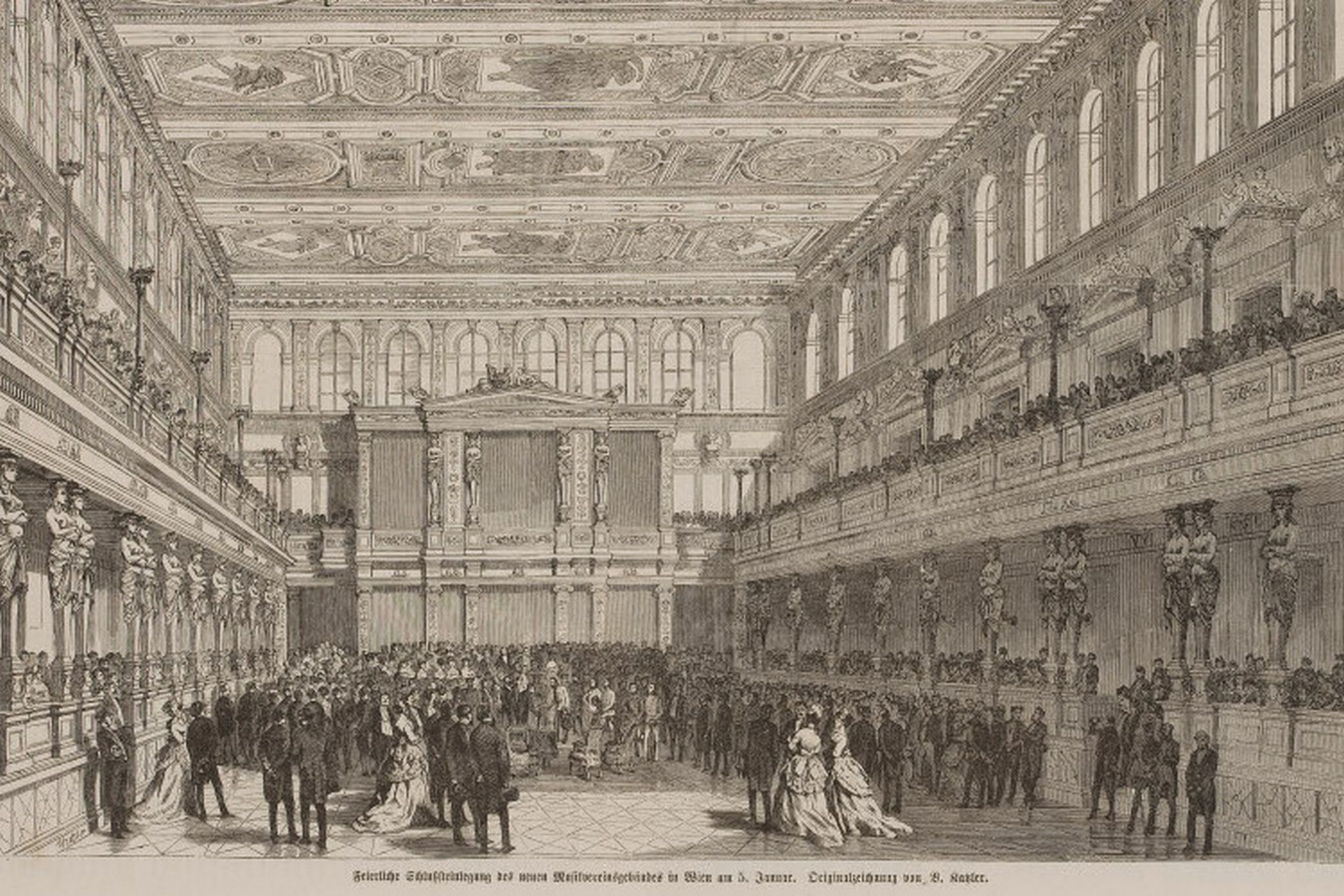
Today I'm taking you with me to Vienna in the year 1874: the Carnival, known in German as Fasching, has begun, officially inaugurating the ball season. On the evening of Mardi Gras, Shrove Tuesday, at the Musikverein, headquarters of the Society of the Friends of Music inaugurated four years earlier, the most elegant ball is held, which all of Vienna talks about and at which gentlemen, ladies and even young ladies belonging to the best society meet themselves. In the Regency Vienna, balls were very important and organized at the Hofburg  by Archduchess Sofia herself, the mother of Emperor Franz Joseph, since she loved them so much: the dances season began with the Fasching and lasted until the beginning of Lent. This was one of the traditions that she inaugurated when she gained importance at Court, but, like all the others, it was lost after her death in 1872. But let's get back to our story. The Empress, always traveling around the world, is occasionally in Vienna, while Franz Joseph is absent, he left for Petersburg on February 11th to return the Tsar's visit and will remain away from the capital until the 22nd. To Elisabeth, as usual bored of having to stay in the imperial palace, suddenly feels like going to this ball that intrigues her so much, but she will have to do it in great secrecy.
Only the Lady of Honor Ida Ferenczy, the indispensable hairdresser Fanny Feifalik and Countess Gabriele Pálffy de Erdõd, trusted Lady-in-waiting, are in on the secret, but they must swear not to betray it at all.


As soon as everyone is asleep, Elisabeth gets up, puts on a domino tail, of very heavy yellow brocade, of imprudent luxury, and places a reddish wig on her magnificent hair. She then covers her face with a mask edged with a long black lace, so that not the slightest part of her face or even the back of her neck remains visible, neither in front nor behind her. Ida Ferenczy, in red domino, constantly calls the Empress  « Gabriele ».

This is precisely to cast any suspicion on Countess Pálffy who was also tall and slender like the Empress. Ida Ferenczy, for that evening, will be «Henriette ». Elisabeth and Ida sit in the gallery and observe all the guests meeting cheerfully, but, when 11.00 pm arrives, the Empress admits that she doesn't feel the fun that she was sure would have enjoyed that evening.


"Gabriele, please, choose someone in the room whom you like and who is not from the Court society; and I will bring him up here to you. At such parties you have to talk to people, to tease them."
"Yes, do you think so?" replies the yellow domino, looking down into the room. He notices a young, elegant man walking alone and whose face is new to her. She points it out to Ferenczy and she immediately goes down into the room, approaches the stranger from behind, surprisingly slips her arm under his and begins to question him lively about whether she [...]
Then the domino suddenly asks him:
"Would you like to do me a favor?"
"I'd love that."
"I'm here with a beautiful friend of mine, who is all alone on her in the gallery and bored out of her mind. Would you like to keep her some company?"
"Of course."
And here the red domino leads his protégé to the yellow domino, who watched the maneuver with amusement.

The young man with whom the Empress spent the rest of that evening was called Friedrich (Fritz) Pacher List zu Theinburg, he was 26 years old and worked as a ministerial official. Finding themselves facing each other, the two immediately begun a conversation. She asked him what they say in Vienna about the Empress, the Emperor and the Court and she was amused by his answers. Saying she was unable to meet him a second time because she is often busy traveling abroad, she promised to willingly exchange correspondence with this new friend of hers. That evening the Empress had asked Fritz to give her his address and had given him the address of a post office box where to address his messages: "Gabriele FL36". The young man felt curious and want to know who is really hiding behind that mask, surely having already guessed that she was a lady of the high Viennese nobility. The discomfort of Elisabeth, or Gabriele, among the crowd, her too slender figure, her elegant gait and the "aura" that surrounded her even in her costume aroused a suspicion in him: it is really Empress Elisabeth of Austria, who gave him her delicate gloved hand and let herself be led by his arm through the Golden Hall, light as a feather? He had to find it out! He lifted the veil she wore over her face, but she was faster than him and pushed his hand away with her delicate silk fan: needless to say, such an unconventional and almost brazen attitude struck Gabriele. Suddenly, Ida found herself among them, urging her friend to leave with her: at that point the Empress had to escape, there was no need to run the risk of her to be discovered.


Fritz succeeded however to grab and hold Sisi's fan.
“You're not Gabriele, your name is Elisabeth and you're 36,” he whispered to her before she ran away from him in horror and grabbed Ida's arm, running through the crowd towards their carriage. The two mysterious masks disappeared, thus, surrounded by the darkness of the Viennese festive night. They were drunk and happy, but, with the suspicion of being identified and followed, they asked the fiacker not to take them directly to the Hofburg, but to take a road that would lead them to the outskirts and then return to the center of the capital following a vicious route that it would have led anyone astray.
Fritz came back to his humble home drunk, but was unable to sleep, troubled by that woman who had literally enchanted him. Every day he went to the Prater with the hope of meeting the Empress on horseback, he often stopped at the Hofburg to see her leave the palace in a carriage, and once they managed to meet, but only Sisi noticed. A month after that dancing evening, Fritz received a letter from Gabriele from Munich:

"Dear friend, You will be amazed to receive these first lines of mine from Munich. I have been passing through here for a few hours and I take advantage of the brief stop to give you, as promised, a sign of life. And with what impatience you were waiting for it! Be sincere, from good German, and don't try to deny it. But don't be afraid, I don't ask for declarations; I know, as if I were you yourself, what happens to you from that night onwards. You have already spoken to a thousand women and girls, it also seemed to you to find pleasure, but your spirit never met its soul mate. Finally, in a phantasmagoria of dreams, you found what you had been looking for for a long time, only to perhaps lose it again forever...
I'm traveling to England to visit my mother's relatives. [...] You'll still hear from me from London. Write to me in the meantime

Main post office Vienna post office
at the address "Gabriele FL36"

And she concluded by saying that it will be her "cousin", that was Ida, who will get her the letters. Pacher's response didn't take long to arrive. He had really fallen in love with her and, as happens with every victim of infatuation, he would like to know everything about the yellow domino that stole his heart and to see him again.
Pretending to be already in England, where instead she will go for the hunting season at the end of the Summer, Sisi sends her friend a second letter in March: she too always has him in her mind because the memory of that naive adventure at the masquerade ball goes on keeping the monotony of everyday life away from her.

"Dear friend, I feel so sorry for you! Such a long time without news from me, what a desert your life will have been, how interminable the hours! But I couldn't do otherwise. [...] Some days I sat for hours at a time at the window, with my gaze lost in the disconsolate fog; then I returned in joy and ran from one entertainment to another. What if I thought about you too? I know what I thought, and that's it. [...] Do you dream of me right now or do you make passionate songs resonating in the silence of the night? [...]
Cordial greetings
Gabriele"

Sisi entrusts this letter to her sister Maria Sofia, Queen of Naples who is about to go to England and instructs her to collect any replies: she is the most trustworthy person, from her point of view, she does not want her ladies to know about her correspondence with Fritz.


The Empress will write to him again in April trying to put him on a false trail by saying that she hates dogs, London, etc., that is, everything she loves most. But the young man wants to prove to her that he hasn't fallen into the trap: he knows that her pen-friend is called Elisabeth and he knows who she is. For Sisi it is enough to read these lines to decide to end the correspondence.
Years later, contacted by the Empress's first biographer, Count Egon Caesar Corti, Fritz showed him the fan, which remained him as a souvenir of that masquerade ball, together with some letters. Count Corti recognized Elisabeth's handwriting and the delicate fan, which was already falling to pieces. Corti had set out on Fritz's trail because he had learned from Ida that for many years after the ball there had been an exchange of letters between him and Elisabeth alias Gabriele. The Empress sent letters to Fritz from Munich, London, and even from Rio de Janeiro, among other places, adding only a post office box address, rather than her own. Fritz replied, but only a few letters actually reached the Empress, the rest were never collected or read. As we have seen, at the beginning Sisi enjoyed confusing and misleading Fritz, but his increasingly specific questions and finally his rather rude jokes about her true identity made this enthusiasm of hers vanish.
She put an end to this adventure with a poem both mocking and melancholic, which has been preserved and is entitled "The Song of the Yellow Domino - A Long, Long Time Ago". Fritz never forgot the beautiful woman and the glittering evening of dancing for the rest of his life and kept her fan and her letters until his death on May 12, 1934. He lived to be 87 and died knowing that he had kept the arm of Empress Elisabeth of Austria at the 1874 carnival ball.

The Song of the Yellow Domino
"A long, long time ago."

Do you think of that night still in the glowing ballroom?
Long, long ago, long ago,
where two souls once met,
long, long ago, long ago,
where our odd friendship began.
Do you, my friend, still think of it at times?
Do you think of the words, so intimately trusting,
that we exchanged by the loud dance music?
Oh, only too fast our time dwindled away,
a press of the hand yet, and I had to fly.
I did not dare unveil my face to you,
but I did show my soul to the light.
Friend, that was more, that was more!
Years have gone and drawn away,
but they will never unite us two again.
Questioning at night I look at the stars,
none gave me back help or answer.
Soon I came near to you, soon again far away.
Are you already lingering on another star?
If you live, then give me a sign by day,
that I may scarcely hope, but can await.
So long ago, so long ago!
Let me wait no more,
wait no more!

The Empress had many suitors, from Bay Middleton, a hunting companion in England, to Gyula Andrassy, a Hungarian politician and diplomat and others, but no love adventure, whether naive or not, was proven and documented. This is the only one that can be told with certainty and in detail.
I hope with all my heart that this narrative, although long, has given you a pleasant time.


Sending you all all the best,
I wish you a pleasant Mardi Gras
See you soon ❤


Dany


NOTE:
This adventure is mentioned in the memoirs of Ida Ferenczy, in those of Sisi's favorite daughter, Maria Valeria, who transcribed them as they were told to her by her mother, and in those of her niece, Countess Marie Larisch.
The parts written in bold are taken from Corti's biography which deals with the topic at length in his biography from page 217 to page 226 (Italian translation by L. Emery for MONDADORI, Milan, 1935)


L'imperatrice Elisabetta d'Austria e l'avventura al ballo in maschera del 
"Martedì Grasso" 1874


IMMAGINE DI COPERTINA


Quest'oggi vi porto con me nella Vienna dell'anno 1874: è cominciato il carnevale, detto in tedesco Fasching, con cui si inaugura ufficialmente la stagione dei balli. La sera del martedì grasso si tiene, presso il Musikverein, sede della Società degli Amici della Musica inaugurata quattro anni prima, il veglione più elegante, di cui tutta Vienna parla e a cui si danno convegno signori, signore ed anche signorine appartenenti alla miglior società. Nella Vienna Regency i balli erano molto importanti e organizzati alla Hofburg direttamente dall'arciduchessa Sofia, la madre dell'imperatore Francesco Giuseppe. che tanto li amava: già allora la stagione dei balli iniziava con il Fasching e si protraeva fino all'inizio della Quaresima. Questa fu una delle tradizioni che inaugurò da quando acquistò importanza a Corte, ma, come tutte le altre, si perse dopo la sua scomparsa avvenuta nel 1872. Ma torniamo al nostro racconto. L'imperatrice, sempre in viaggio per il mondo, si trova occasionalmente a Vienna, mentre Francesco Giuseppe è assente, è partito l'11 di febbraio per Pietroburgo per ricambiare la visita dello zar e rimarrà lontano dalla capitale fino al giorno 22. Ad Elisabetta, come sempre annoiata di dover stare nel palazzo imperiale, viene improvvisamente voglia di recarsi a questo ballo che tanto la incuriosisce, ma dovrà farlo in gran riserbo.
Solamente la dama d'onore Ida Ferenczy, l'indispensabile pettinatrice Fanny Feifalik e la contessa Gabriele Pálffy de Erdõd, fidata dama di compagnia, sono a parte del segreto, ma devono giurare di non tradirlo per nulla. 


LE TRE DAME CHE CONDIVIDONO IL SEGRETO DELL'IMPERATRICE E NE SONO COMPLICI


Non appena tutti dormono, Elisabetta si alza, indossa un domino a coda, di broccato giallo pesantissimo, di un lusso imprudente, e pone una parrucca rossiccia sulla sua magnifica chioma. Poscia si copre il volto con una maschera orlata di un lungo pizzo nero, sì che non rimanga visibile, né dinanzi né di dietro una menoma parte del viso e nemmeno della nuca. Ida Ferenczy, in domino rosso, chiama costantemente l'imperatrice « Gabriele ».

Questo appunto per far cadere gli eventuali sospetti sulla contessa Pálffy anch'ella alta e snella analogamente all'imperatrice. La Ferenczy, per quella sera, sarà « Henriette ». Elisabetta e Ida si mettono a sedere in galleria ed osservano i convenuti che si incontrano festevoli, ma, giunte le 23,00, l'imperatrice ammette di non provare quel divertimento che, era certa, avrebbe allietato quella sua serata.


IL MUSIKVEREIN DI VIENNA 


"Gabriele, ti prego, scegli qualcuno, nella sala, che ti piaccia e che non sia della società di Corte; e io te lo condurrò quassù. A un veglione bisogna rivolger la parola alla gente, stuzzicarla."
"Sì, credi? "risponde il domino giallo cercando con lo sguardo giù nella sala. Vi nota un uomo giovane ed elegante che passeggia solo e il cui viso le riesce nuovo. Lo addita alla Ferenczy e questa subito scende in sala, s'avvicina di dietro allo sconosciuto, infila di sorpresa il braccio sotto quello di lui e comincia ad interrogarlo briosamente su l'esser suo [...] 
Allora il domino gli chiede all'improvviso:
"Vorresti farmi un piacere? "
"Volentieri." 
"Sono qui con una mia bella amica , che è tutta sola su in galleria e si annoia a morte. Vorresti farle un po' di compagnia? "
"Ma certamente." 
Ed ecco che il domino rosso conduce il suo protetto al domino giallo, che ha assistito con divertimento alla manovra. 

Il giovane con cui l'imperatrice trascorse il resto della serata si chiamava Friedrich (Fritz) Pacher List zu Theinburg, aveva 26 anni ed era un funzionario ministeriale. Trovatosi una di fronte all'altro, i due iniziarono subito una conversazione. Sisi gli chiese cosa dicessero a Vienna dell'imperatrice, dell'imperatore e della Corte e fu divertita dalle sue risposte. Dicendosi impossibilitata ad incontrarlo una seconda volta perché spesso impegnata in viaggi all'estero, promise di scambiare volentieri corrispondenza con questo suo nuovo amico, quella sera l'imperatrice si era fatta dare da Fritz il suo indirizzo ed alla gli aveva fornito quello di una casella postale a cui indirizzare le sue per lei: "Gabriele FL36". Il giovane era curioso e voleva sapere chi si nascondeva veramente dietro quella maschera, sicuramente avendo già intuito che si trattava di una dama dell'alta nobiltà viennese. Il disagio di Elisabetta, o Gabriele, tra la folla, la figura troppo snella, l'andatura elegante e l'aura che la circondava anche nel suo costume suscitarono in lui un sospetto: era davvero l'imperatrice Elisabetta d'Austria, che tese la sua delicata mano guantata a e lasciarsi condurre per il braccio attraverso la Sala d'Oro, leggera come una piuma? Doveva scoprirlo! Lui le sollevò il velo che portava sul viso, ma lei fu più veloce e gli allontanò la mano con il suo delicato ventaglio di seta: inutile dire che un tale atteggiamento così poco convenzionale e quasi sfacciato colpì Gabriele. All'improvviso, Ida si trovò in mezzo a loro, esortando la sua amica a partire con lei: a quel punto bisognava darsi alla fuga, non bisognava correre il rischio che l'imperatrice venisse scoperta. 


FRIEDRICH (FRITZ) PACHER LIST ZU THEINBURG


Fritz riuscì comunque ad afferrare e a trattenere il ventaglio di Sissi.
“Non sei Gabriele, ti chiami Elisabeth e hai 36 anni”, le sussurrò prima che lei gli scappasse inorridita e afferrasse il braccio di Ida, correndo tra la folla verso la loro carrozza. Le due maschere misteriose scomparvero, così, avvolte dal buio della notte di festa viennese. Erano ebbre e beate, ma, con il sospetto di essere individuate e seguite, chiesero al fiacker di non condurle direttamente a palazzo, ma di prendere una strada che le avrebbe portate in periferia per poi fare ritorno nel centro della capitale seguendo un percorso vizioso che avrebbe sviato chiunque. 
Fritz rincasò nella sua umile dimora ubriaco, ma non riuscì a dormire, turbato da quella donna che lo aveva letteralmente ammaliato. Ogni giorno si recava al Prater con la speranza d'incontrare l'imperatrice a cavallo, sostava spesso presso la Hofburg per vederla uscire dal palazzo in carrozza, ed una volta riuscirono ad incontrarsi, ma soltanto Sissi se ne avvide. Un mese dopo quella serata danzante, Fritz ricevette da Gabriele una lettera da Monaco: 

"Caro amico, Sarete meravigliato di ricevere queste mie prime righe da Monaco. Sono da qualche ora qui di passaggio e approfitto della breve sosta per darvi, come promesso, un segno di vita. E con che impazienza l'aspettavate! Siate sincero, da buon tedesco, e non tentate negarlo. Ma non temete, io non chiedo dichiarazioni; so, come fossi voi medesimo, che cosa accade in voi da quella notte in poi. Avete già parlato con mille donne e fanciulle , vi è anche sembrato di trovarvi diletto, ma il vostro spirito non incontrò mai l'anima gemella. Finalmente, in una fantasmagoria di sogno, trovaste ciò che da tento tempo cercavate, per tornarlo forse a perdere per sempre... 
Sono in viaggio per l'Inghilterra per far visita ai parenti di mia madre. [...] Riceverete ancora mie notizie da Londra. Scrivetemi intanto

Ufficio postale principale fermo posta Vienna
all'indirizzo "Gabriele FL36"

E concluse dicendo che sarà sua cugina, ovvero Ida, a procurarle le lettere. La risposta del Pacher non si fece attendere a lungo. questi si era realmente innamorato e, come accade ad ogni vittima d'infatuazione, vorrebbe sapere tutto del domino giallo che gli ha rubato il cuore e rivederlo.
Fingendo di trovarsi già in Inghilterra, dove invece si recherà per la stagione della caccia a fine estate, Sisi invia all'amico una seconda lettera a marzo: anch'ella lo ha sempre in mente perché il ricordo di quell'ingenua avventura al ballo mascherato continua a tenerle lontana la monotonia della quotidianità. 

"Caro amico, Quanto mi fai compassione! Tanto tempo senza mie nuove, che deserto sarà stata la tua vita, come interminabili le ore! Ma non mi fu possibile fare diversamente. [...] Certi giorni sedevo ore intere alla finestra, con lo sguardo perduto nella nebbia sconsolata; poi tornavo in allegria e correvo da un divertimento all'altro. Se pensavo anche a te? Quel che pensavo, lo so io, e tanto basta. [...] Mi sogni in questo momento o fai risonare canti appassionati nel silenzio notturno? [...] 
Saluti Cordiali 
Gabriele"

Sisi affida questa sua lettera alla sorella Maria Sofia di Napoli che è in procinto di recarsi in Inghilterra e la incarica di ritirare le eventuali risposte: è la persona più fidata, dal suo punto di vista, non vuole che le sue dame sappiano della sua corrispondenza con Fritz. 


UNA BELLISSIMA FOTOGRAFIA DI MARIA SOFIA IN BAVIERA, SORELLA DELL'IMPERATRICE, DIVENTATA REGINA DI NAPOLI PER MATRIMONIO


L'imperatrice gli scriverà ancora ad aprile cercando di metterlo su di una falsa traccia dicendo che detesta i cani, Londra, etc, ovvero tutto ciò che più ama. Ma il giovane vuole darle dimostrazione di non essere caduti nel tranello: sa che la sua amica di penna si chiama Elisabetta e sa chi è. Per Sisi è sufficiente leggere queste righe per decidere di troncare la corrispondenza. 
Anni dopo, contattato dal primo biografo dell'imperatrice, il conte Egon Caesar Corti, gli mostrò il ventaglio, che gli rimaneva come ricordo di quel ballo in maschera, insieme ad alcune lettere. Il conte Corti riconobbe la calligrafia di Elisabetta e il delicato ventaglio, che già stava cadendo a pezzi. Il Corti si era messo sulle tracce di Fritz perché aveva saputo da Ida che per molti anni dopo il ballo c'era stato uno scambio di lettere tra tra lui ed Elisabetta alias Gabriele. L'imperatrice inviò lettere a Fritz da Monaco, Londra e persino da Rio de Janeiro, tra gli altri luoghi, aggiungendo solo l'indirizzo di una buca delle lettere, anziché il proprio. Fritz rispose, ma solo poche lettere arrivarono effettivamente all'imperatrice, il resto non fu mai ritirato né letto. Come abbiamo visto all'inizio Sisi si divertiva a confondere e fuorviare Fritz, ma le sue domande sempre più specifiche e infine le battute piuttosto scortesi sulla sua vera identità fecero svanire questo suo entusiasmo.
Ella mise fine a quest'avventura con una poesia allo stesso tempo beffarda e malinconica, che è stata conservata e si intitola "La Canzone del Domino Giallo - Molto, molto tempo fa". Fritz non dimenticò mai la bella donna e la scintillante serata di ballo per il resto della sua vita e conservò il suo ventaglio e le sue lettere fino alla sua morte, avvenuta il 12 maggio 1934. Visse fino a 87 anni e morì sapendo che aveva tenuto il braccio dell'imperatrice Elisabetta di Austria al ballo di  carnevale del 1874.

La Canzone del Domino Giallo
"Molto, molto tempo fa."

Pensi a quella notte ancora nella luminosa sala da ballo?
Molto, molto tempo fa, molto tempo fa,
dove due anime un tempo si incontravano,
molto, molto tempo fa, molto tempo fa,
dove è iniziata la nostra strana amicizia.
Amico mio, ci pensi ancora a volte?
Pensi alle parole, così intimamente fiduciose,
che ci siamo scambiati con la musica da ballo ad alto volume?
Oh, troppo velocemente il nostro tempo si è esaurito,
ancora una semplice pressione della mano e dovevo volare.
Non ho osato svelarti il mio volto,
ma ho mostrato la mia anima alla luce.
Amico, quello era di più, quello era di più!
Gli anni sono andati e si sono allontanati,
ma non ci uniranno mai più.
Interrogandomi di notte guardo le stelle,
nessuno mi ha dato aiuto o risposta.
Presto mi sono avvicinato a te, presto di nuovo lontano.
Ti stai già soffermando su un'altra stella?
Se vivi, dammi un segno di giorno,
che posso a malapena sperare, ma posso aspettare.
Tanto tempo fa, tanto tempo fa!
Non lasciarmi aspettare più,
non aspettare più!

L'imperatrice ebbe molti corteggiatori, da Bay Middleton, compagno di caccia in Inghilterra, a Gyula Andrassy, politico e diplomatico Ungherese ed altri ancora, ma nessuna avventura amorosa, ingenua o meno che fosse, fu provata e documentata. Questa è la sola che si possa raccontare con sicurezza e nei dettagli. 
Spero di tutto cuore che questa narrazione, anche se lunga, vi abbia fatto trascorrere momenti piacevoli.


Inviando a tutti Voi ogni bene, 
Vi auguro un piacevole martedì grasso
A presto  


Dany


NOTA:
Quest'avventura si trova menzionata nelle memorie di Ida Ferenczy, in quelle della figlia prediletta di Sisi, Maria Valeria, che le ha trascritte come le furono raccontate dalla madre, e in quelle di sua nipote, la contessa Marie Larisch.
Le parti scritte in grassetto sono tratte dalla biografia del Corti che dell'argomento tratta lungamente nella sua biografia da pag. 217 a p. 226 (Traduzione italiana a cura di L. Emery per MONDADORI, Milano, 1935)


LINKING TO: