Visualizzazione post con etichetta Regency painting. Mostra tutti i post

lunedì 7 febbraio 2022

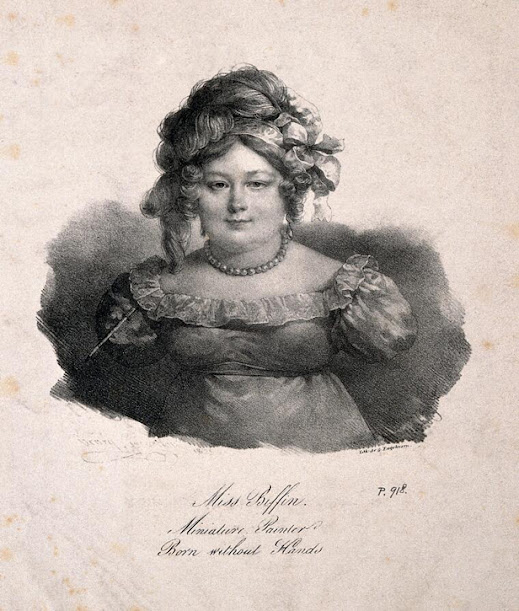
PORTRAIT OF A LADY ~ Sarah Biffin, the celebrated XIXth c. miniaturist born without arms or legs


This is the story of an unique woman, a XIXth century painter famous for her impeccable miniature paintings, realistic artworks whose practically microscopic details were lauded as being some of the best in technique and style of her time.
She happened to have been born without legs or arms - which only made her obvious talents that much more incredible. She spent many years exibiting herself at fairs until she gained wealthy patrons, including Queen Victoria herself. 
Her skills were hard won and surpassed many of her contemporaries, regardless of her physical differences, and she is remembered as one of the best miniaturist painters of her time. As a disabled woman artist working in the early nineteenth century, her remarkable story is one of perseverance and resilience.

~⚜~


Sarah Biffin was born at East Quantoxhead, near Bridgewater, Somerset, on October 25th, 1784. She was the third of five children and the very first daughter of Henry Biffin, a farm labourer and later a shoemaker, and Sarah Perkins, his wife, and as you can imagine she was of true humble origins since her parents lived in a labourer's cottage. Her baptism certificate records that she was 'born without arms and legs', that is with a rare condition now known as phocomelia. Nevertheless, she learnt to write, sew, use scissors, and became a professional artist.
Her parents were for sure good people, given, at those times, it was used for poors to abandon children when were born with some handicaps and she wasn't able to look after herself at all (she was without arms and legs and 94 cm/35 inches tall as an adult!).
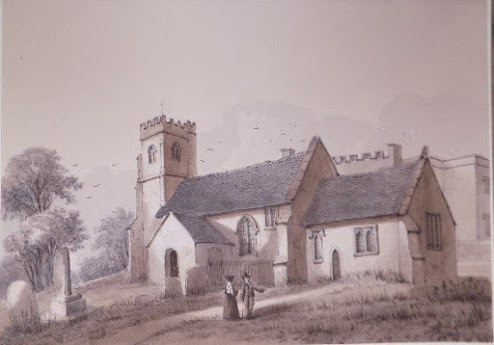

Drawing of East Quantoxhead church from south-east, with man and woman in churchyard, by W.W. Wheatley, 1845, courtesy of Somerset Archaeological and Natural History Society, 
sepia & grey watercolour & pencil drawing.


When she was 13 she began her career exhibiting her skills as a curiosity. Her parents placed her under contract with Emmanuel Dukes, a showman who exhibited at fairs. Sarah was sometimes billed as 'the eighth wonder' or 'the limbless wonder.' By her own account, however, Mr and Mrs Dukes treated her well, and she lived with them as part of the family.
Sarah performed regularly at the Bartholomew Fair, the three-day festival at Smithfield in London and William Wordsworth, who attended the fair in 1802, includes this experience of his in his poem The Prelude (1805).
While working at the fairs, she demonstrated her sewing skills, cut out and made clothes, gave out writing samples, and painted portraits. From 1804 she took commissions, as she began her professional career as an artist. Dukes was her first art instructor, and she stayed under his tutelage until around 1816.
Sarah's formal instruction in art began in 1808, after a chance encounter with George Douglas (1761–1827), Earl of Morton, at one of the fairs. 
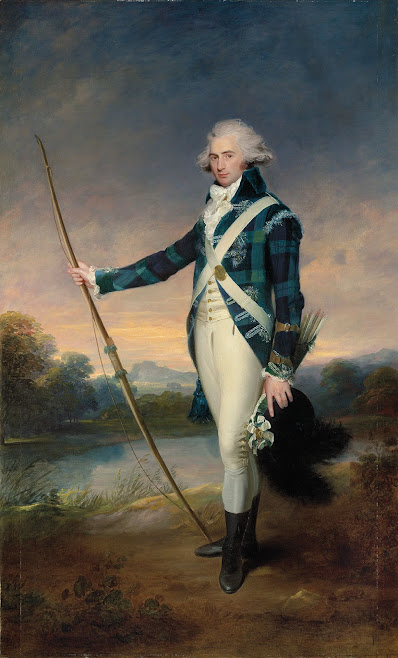

Portrait of George Douglas, 16th Earl of Morton by Sir William Beechey, 
Private Collection / Photo © Christie’s Images / Bridgeman Images, oil on canvas.


The Earl commissioned a miniature portrait of himself from Sarah. Impressed by her talent, he sponsored her tuition at the Royal Academy of Arts, where she received lessons from a Royal Academy of Arts painter, William Craig, an artist with important royal patrons.
The Earl's presentation of Biffin's work before George III led to further commissions, including a miniature of the Duke of Kent (1839) 
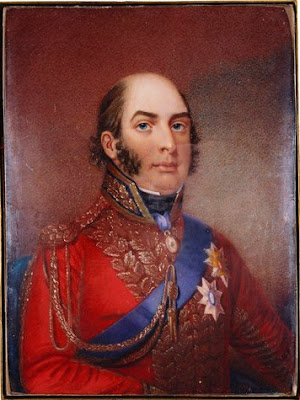

Edward, Duke of Kent (1767-1820), Signed and dated 1839,
Watercolour on ivory | 15.3 x 11.0 cm (sight) | RCIN 420202, 


bought by his daughter, Queen Victoria, in 1840, which is now in the Royal Collection. The Society of Arts awarded her a medal in 1821 for a historical miniature and the Royal Academy accepted her paintings. It was then that the Royal Family commissioned her to paint miniature portraits of them. 
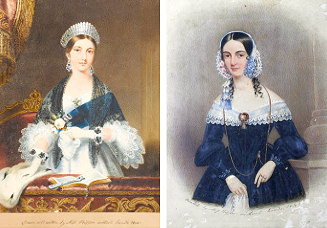

Portraits Miniature of Queen Victoria and of Jane Butt (William Westhall's wife), 1848
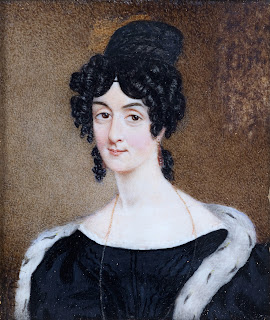


Portrait Miniature of H.R.H.Princess Mary Duchess of Gloucester


From 1821 on, when Sarah won the large silver medal at the Royal Society of Arts, she regularly exhibited her work at the Royal Academy of Arts and opened a studio in the Strand in London; then she married William Stephen Wright exactly on September 6th, 1824. Wright was possibly a lieutenant in the Royal Navy. Sarah's death certificate, however, suggests that she was the widow of a banker's clerk, which may have been his second career. 
The media was always fascinated by how she performed her ordinary tasks. For example, one American journal included an item on how her wedding ceremony was conducted, stating that:

'Mr. W. was desired to hold the ring against the shoulder of the lady, and afterwards, having put it on a gold chain which she wore around her neck, it was placed in her bosom'. 

Several commentators note that the couple separated soon after they married, though the Evangelical Lutheran Intelligencer remarks that 'Wright had long been attached to his wife'.
Many tried to describe her unique tecnique of painting, but in my opinion Sarah's art is well described by Edward Boys Ellman in Recollections of a Sussex Parson (1912). Ellman's cousin, Frances Sankey (later Mrs Ottaway), and his sister Catharine, both took lessons in miniature painting from her while she was in Brighton in 1829. Ellman describes Sarah as:

'... a heavy looking woman; she wore a turban and was always seated on a sofa. Her paint brush was pinned to a large puff sleeve which covered the short stump of the upper part of the arm. She fixed and removed the paint brush with her teeth, when it was necessary to clean or to wash it. When painting she leant her right shoulder forward, almost touching the table. She declared that she considered that for painting she had the advantage of those who had arms, for surely it was easier to paint with a short brush than with a long stick!'
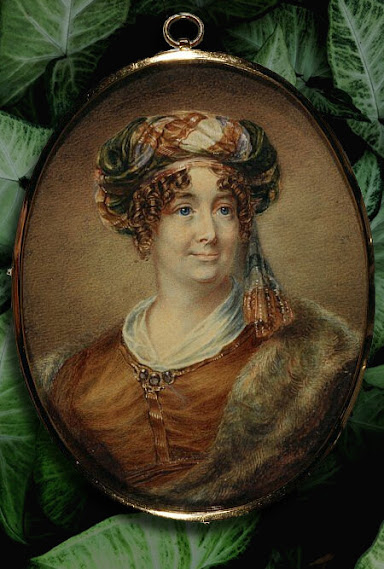

Sarah Biffin's Selfportrait Miniature dating back to January, 2nd, 1830


Ellman recalls that her man-servant would carry her when she needed to move, and that she 'suddenly disappeared from Brighton greatly in debt'. The debts are something of a mystery, though her civil-list pension and the annuity from her estranged husband were modest, but truth is that the Earl of Morton died in 1827 leaving Sarah without a noble shepherd, causing her financial difficulties.
In addition to drawing landscapes, she painted her portraits on ivory. The miniature portraits were set in a gilt-metal frame with an eyelet so the owners could wear as a pendant on a piece of jewelry if they chose. 


Sarah Biffin's Miniatures recentrly auctioned by Christie's


Sarah Biffin lived and worked in many places around England, including London, Brighton, Bath, Cheltenham and Liverpool. The 1841 census records that she lived in the High Street in Cheltenham at that time. She is likely to have moved to Liverpool shortly after this, due to her financial troubles, where she lived at 8 Duke Street and where she exhibited her works.
When she retired to Liverpool Queen Victoria granted her a civil pension.
She died in the city on October 2nd, 1850 at the age of 66 and is now buried in St James’ Cemetery in Liverpool. It must be said that she continued to paint up to her last days, indeed, a few months before she died, she exhibited a portrait at the 1850 Royal Academy of Arts exhibition.


In the hope to have entertained You with concern, 

I'm wishing You much gladness

See you soon ❤


RITRATTO DI SIGNORA ~ Sarah Biffin, la celebre miniaturista del XIX sec. nata senza braccia e senza gambe


- IMMAGINE 1 - Miss Sarah Biffin in un autoritratto eseguito da giovane

Questa è la storia di una donna unica, una pittrice del XIX secolo famosa per i suoi impeccabili dipinti in miniatura, opere d'arte realistiche i cui dettagli praticamente microscopici erano lodati come i migliori per tecnica e stile del suo tempo.
Era nata senza gambe e senza braccia, il che rese i suoi evidenti talenti ancor più incredibili. Trascorse molti anni esibendosi alle fiere fino a quando non ottenne ricchi mecenati, inclusa la stessa regina Vittoria.
Le sue abilità furono conquistate duramente e superarono molti dei suoi contemporanei, indipendentemente dalle sue differenze fisiche, ed è ricordata come una delle migliori pittrici miniaturiste del secolo XIX. Come artista e donna disabile che lavorò all'inizio del 1800, la sua straordinaria storia è fatta di perseveranza, pertinacia e fermezza.


~⚜~


Sarah Biffin nacque a East Quantoxhead, vicino a Bridgewater, nel Somerset, il 25 ottobre 1784. Era la terza di cinque figli e la prima femmina di Henry Biffin, un bracciante che  divenne in seguito calzolaio, e di Sarah Perkins, sua moglie, e come potete immaginare era di umilissime origini poiché i suoi genitori vivevano in un cottage riservato ai braccianti. Il suo certificato di battesimo registra che era "nata senza braccia e gambe", cioè in una condizione allora molto rara ora nota come focomelia. Tuttavia imparò a scrivere, a cucire, ad usare le forbici e divenne una rinomata artista professionista.
I suoi genitori erano sicuramente brave persone, dato che a quei tempi era usuale per i poveri abbandonare i bambini nati con qualche handicap, ed ella non riusciva assolutamente a badare a sé stessa (era senza braccia e senza gambe e misurava 94 cm. di statura da adulta!).


- IMMAGINE 2 - Disegno della chiesa di East Quantoxhead vista da sud-est, con uomo e donna nel cortile di W.W. Wheatley, 1845, courtesy of Somerset Archaeological and Natural History Society, sepia & grey watercolour & pencil drawing.


La sua carriera cominciò all'età di 13 anni quando fu data esibizione delle sue unicità come curiosità. I suoi genitori l'affidarono alle cure di Emmanuel Dukes, uno showman che organizzava fiere. A volte Sarah veniva definita "l'ottava meraviglia" o "la meraviglia senza arti". Per suo conto, tuttavia, i coniugi Dukes la trattarono sempre bene e visse con loro come parte della famiglia.
Ella si esibì regolarmente alla Bartholomew Fair, il festival di tre giorni allo Smithfield di Londra e William Wordsworth, che partecipò alla fiera nel 1802, incluse questa sua esperienza nella poesia The Prelude (1805).
Mentre lavorava alle fiere, Sarah ebbe modo di dimostrare le sue capacità in fatto di cucito, tagliando e realizzando vestiti, distribuendo campioni di scrittura e dipingendo ritratti. Dal 1804 ricevette commissioni e diede così avvio alla sua carriera professionale come artista. Dukes fu il suo primo istruttore d'arte e rimase sotto la sua guida fino al 1816 circa.
L'istruzione formale di Sarah in campo artistico iniziò, però, solamente nel 1808, dopo un incontro casuale con George Douglas (1761–1827), conte di Morton, ad una delle fiere.


- IMMAGINE 3 - Ritratto di George Douglas, 16th conte di Morton di Sir William Beechey, 
Private Collection / Photo © Christie’s Images / Bridgeman Images, oil on canvas.


Il conte commissionò a Sarah un ritratto in miniatura di sé stesso ed impressionato dal talento della giovane, egli sponsorizzò le sue lezioni alla Royal Academy of Arts, dove fu seguita da un pittore della Royal Academy of Arts, William Craig, un artista che vantava importanti mecenati reali.
La presentazione del lavoro di Sarah Biffin da parte del conte davanti a Giorgio III portò a ulteriori commissioni, inclusa una miniatura del duca di Kent (1839)


- IMMAGINE 4 - Edward, duca di Kent (1767-1820), Signed and dated 1839, Watercolour on ivory | 15.3 x 11.0 cm (sight) | RCIN 420202, 

acquistato da sua figlia, la regina Vittoria, nel 1840, che ora è parte del ROYAL COLLECTION TRUST. La Society of Arts le conferì una medaglia nel 1821 per una miniatura storica e la Royal Academy accettò i suoi dipinti. Fu allora che la famiglia reale le chiese di dipingere altri ritratti in miniatura. 


- IMMAGINE 5 - Ritratti in miniatura della regina Victoria e di Jane Butt (moglie di William Westhall), 1848

- IMMAGINE 6 - Ritratto in miniatura di H.R.H.la principessa Mary duchessa di Gloucester


Dal 1821, quando Sarah vinse la grande medaglia d'argento alla Royal Society of Arts, espose regolarmente le sue opere alla Royal Academy of Arts ed aprì uno studio nello Strand a Londra; sposò quindi William Stephen Wright il 6 settembre 1824. Si suppone che Wright fosse un tenente della Royal Navy, anche se il certificato di morte di Sarah suggerisce che fosse la vedova di un impiegato di banca, ma non è da escludersi che quella fosse diventata la professione che intraprese in un secondo tempo. 
I media furono sempre affascinati dal modo in cui ella svolgeva i suoi compiti ordinari. Ad esempio, una cronaca americana includeva un articolo su come fu condotta la sua cerimonia di matrimonio, sostenendo che

"Mr W. doveva tenere l'anello contro la spalla della dama, e poi, dopo averlo messo su una catena d'oro che portava al collo, le fu posto in seno".

Diversi commentatori notarono che la coppia si separò subito dopo il matrimonio, anche se l'Evangelical Lutheran Intelligencer osservò che "Wright rimase a lungo legato alla moglie".
Molti hanno cercato di descrivere la sua tecnica pittorica senza eguali, ma secondo me l'arte di Sarah è ben descritta da Edward Boys Ellman nelle sue Recollections of a Sussex Parson (1912). La cugina di Ellman, Frances Sankey (in seguito signora Ottaway), e sua sorella Catharine, presero entrambe lezioni di pittura in miniatura da lei mentre era a Brighton nel 1829. Ellman ci descrive Sarah come:

'... una donna dall'aspetto pesante; indossava un turbante ed era sempre seduta su di un divano. Il suo pennello era appuntato ad una grande manica a sbuffo che copriva il corto moncone della parte superiore del braccio. Ella rimuoveva il pennello con i denti quando era  necessario pulirlo o lavarlo. Quando dipingeva piegava la spalla destra in avanti, quasi a toccare il tavolo. Dichiarava di ritenere che per dipingere avesse il vantaggio di chi ha le braccia, perché sicuramente era più facile dipingere con un pennello corto che con una bacchetta lunga'


- IMMAGINE 7 - Autoritratto in miniatura di Sarah Biffin datato 2 gennaio 1830


Ellman ricorda che il suo servitore la portava in braccio quando aveva bisogno di spostarsi e che "all'improvviso scomparse da Brighton molto indebitata". I debiti sono una sorta di mistero, anche se la sua pensione civile e la rendita dal marito separato erano modeste, ma la verità è che il conte di Morton morì nel 1827 lasciando Sarah senza un nobile appoggio, causandole difficoltà finanziarie.
Oltre a disegnare paesaggi, ella dipingeva i suoi ritratti su avorio. I ritratti in miniatura erano inseriti in una cornice di metallo dorato con un occhiello in modo che il proprietario potesse indossarli come ciondoli ad una catena od un bracciale, se lo desiderava.


- IMMAGINE 8 - Miniature di Sarah Biffin recentemente vendute all'asta da Christie's


Sarah Biffin visse e lavorò in molti luoghi dell'Inghilterra, tra cui Londra, Brighton, Bath, Cheltenham e Liverpool. Il censimento del 1841 registra che a quel tempo ella viveva in High Street a Cheltenham. È probabile che si sia trasferita a Liverpool poco dopo, a causa dei suoi problemi finanziari, dove ha vissuto al numero 8 di Duke Street e dove espose le sue opere.
Quando si ritirò a Liverpool, la regina Vittoria le concesse una pensione civile.
Si spense il 2 ottobre 1850 all'età di 66 anni ed è ora sepolta nel cimitero di St James a Liverpool. C'è da dire che continuò a dipingere fino ai suoi ultimi giorni, infatti, pochi mesi prima di morire, espose un ritratto alla mostra della Royal Academy of Arts del 1850.


Nella speranza di averVi intrattenuto con interesse,

Vi auguro tanta gioia

A presto ❤


LINKING WITH: 


martedì 1 giugno 2021

The Chalon Family in London by Jacques-Laurent Agasse.


"Humility and simplicity are the two real sources of beauty."

Johann Joachim Winckelmann (Stendal, December 9, 1717 - Trieste, June 8, 1768)


The Chalon Family in London by Jacques-Laurent Agasse 

(Geneva, April 24, 1767 – London, December 27, 1849)


Today I want to show you a painting, which, despite its naturalness, has unique characteristics.

THE AUTHOR- Born in Geneva, Jacques-Laurent Agasse went to Paris, when he wasn’t twenty yet, to attend a veterinary school before devoting himself to painting, which is why his first paintings portray horses and other animals. Back in Switzerland, it seems that he was so appreciated by a rich Englishman to whom he had painted the dog, that he followed his mentor to England, where he began to paint landscapes and life scenes.
Unfortunately, like most of the artists of his time, he wasn’t appreciated during his life and died in the same poverty which he was born in.

THE PROTAGONISTS - Forced to leave France after the French Revolution, as a Protestant family, the Chalon first took refuge in Switzerland to settle permanently, at the end of the 18th century, in London. The two sons, Alfred and John Chalon, both became artists and it seems likely that they came to know Agasse, a colleague who emigrated from Switzerland and who knew their Paris.

What we have before our eyes is a painting - it is an oil on canvas - which fascinated me as soon as I saw it precisely for its informality: it is in fact the type of image that artists created and gave as a gift to friends or which painted for mere pleasure- the thing is also suggested to us by its limited size (it measures only about 5 "x 7" - 13.7 x 19.7 cm.). Unfortunately, the specific identities of the people portraiyed have been forgotten, but we can still say with certainty that this looks like the portrait of a peaceful and comfortable family. The women are engaged in their manual labor, while the men speak over the wall and although it is not documented, it would not be surprising if the man leaning outside the boundary wall in the upper left was Agasse himself.


The first thing that catches your eye in this painting is probably the light, which takes us back to the late afternoon hours of a Summer day.
Also worth of note is the wealth of detail in the clothing of the four women.

The older woman, probably the mother, sitting alone and looking at the artist with modest eyes, is dressed in the style of a previous generation, with a simple dress, a handkerchief and a ruffled bonnet. She is also wearing a floral print apron over which she has superimposed a cloth maybe for not to get it dirty; instead of sewing, she is busy peeling white turnips, perhaps to prepare dinner: a plate of those already peeled appears on the ground next to her on her right, while other turnips with leaves still attached and still dirty with earth are at her feet on the left.

The young women who are intent on sewing are dressed in a much more elegant way with hats, shoes and high-waisted dresses typically belonging to the Regency era (in fact the painting is dated around 1800). Gathered around a wooden table and seated on chairs that were probably brought outside from an indoor living room, they are trying to keep the most of the daylight with their work-baskets close at their hands. 

The woman in the center wears glasses, and I wonder if the woman on the right, who keeps her head down, wears them too. A curiosity: at the time the glasses that were used for manual work didn’t have rods and didn’t hook around the ears, but were fixed with a ribbon at the nape ... and I wonder if the blue ribbons that go down under the hat on the sides of her face are just those which should tie the glasses, perhaps simply resting on the nose like pince-nez.
Finally I want to point out the 'spencer' that this young woman is wearing: it seems to be in brown velvet, and it was a real 'gem' of Regency women's clothing, not to mention the beige crocheted or knitted ‘bolero’ that dresses the one at center.

I wanted to present this oil on canvas to you because it communicates a particular tranquility to me, it portrays the calm and the sweetness of family life lived peacefully, in that peace so longed-for and, after so much wandering, finally conquered. But not only for that: it is so rich in details, especially as regards the clothes, that it looks like a photograph of the fashion of the time, something that the painter certainly, while painting, had absolutely not thought about.

Look at this print below taken from the Parisian fashion magazine The Journal des Dames et des Modes of 1799: even if the model is a lady and not a young woman, don't you find perfect correspondence in the clothes and accessories?


And what about these hats dating back to the early 1800s from The Ackermann Repository?


If you love Regency fashion, read that post that ~ My little old world ~ published some time ago on this subject: click HERE and enjoy!


Alas, our time has run out, my dear friends and readers, and I always tell you this with a hint of regret; I therefore wish you all the best while waiting to find you here on our next journey among the romantic and curious wonders belonging to our past.
See you soon ♥


 ∗⊱༺♡❀♡༻⊰∗


"L'umiltà e la semplicità sono le due vere fonti della bellezza."

Johann Joachim Winckelmann (Stendal, 9 dicembre 1717 - Trieste, 8 giugno 1768)


 The Chalon Family in London by Jacques-Laurent Agasse 

(Ginevra, 24 Aprile 1767 – Londra, 27 Dicembre 1849)


Oggi voglio proporvi un dipinto, che, pur nella sua genuinità, presenta delle caratteristiche uniche.

L’AUTORE – Nato a Ginevra, Jacques-Laurent Agasse si recò a Parigi non ancora ventenne per frequentare la scuola di veterinaria prima di dedicarsi alla pittura, ecco perché i suoi primi dipinti ritraggono cavalli ed altri animali. Tornato in Svizzera, sembra che sia stato talmente apprezzato da un ricco inglese al quale aveva dipinto il cane, che seguì il suo anfitrione in Inghilterra, dove si diede alla pittura paesistica e alle scene di vita. 
Purtroppo, come la maggior parte degli artisti del tempo, non fu apprezzato in vita e si spense nella stessa povertà in cui nacque.

I PROTAGONISTI – Costretta a lasciare la Francia dopo la Rivoluzione francese, in qualità di protestante, la famiglia Chalon si rifugiò prima in Svizzera per stabilirsi definitivamente, sul finire del XVIII° secolo, a Londra. I due figli maschi, Alfred e John Chalon, diventarono entrambi artisti e sembra probabile che siano così giunti a far conoscenza di Agasse, una collega emigrato dalla Svizzera che conosceva la loro Parigi.

Quello che abbiamo sotto gli occhi è un dipinto – si tratta di un olio su tela – che mi ha affascinata appena lo vidi proprio per la sua informalità: si tratta infatti di quel tipo di immagine che gli artisti creavano e davano in dono agli amici o che dipingevano per mero diletto, cosa che ci è suggerita  anche dalla sua limitata dimensione (misura solo circa 5 "x 7"- 13,7 x 19,7 cm.). Purtroppo le identità specifiche delle persone sono andate dimenticate, ma possiamo comunque dire con certezza che questo appare come il ritratto di una famiglia serena e a proprio agio. Le donne sono impegnate nel proprio lavoro manuale, mentre gli uomini parlano oltre il muro e pur non essendo documentato, non ci sarebbe da sorprendersi se l'uomo appoggiato all’esterno del recinto in alto a sinistra fosse proprio lo stesso Agasse.


La prima cosa che salta agli occhi è la luce di questo dipinto, che ci riporta alle ore del tardo pomeriggio di un giorno d’estate.
Da notare è inoltre la ricchezza di dettagli nell'abbigliamento delle quattro donne.
 

La donna più anziana, probabilmente la madre, seduta da sola e che guarda, con occhi dimessi l'artista, è vestita nello stile proprio di una generazione precedente, con un abito semplice, un fazzoletto ed una cuffietta arruffata. Indossa anche un grembiule con stampa floreale a cui ha sovrapposto un drappo probabilmente per non sporcarlo; ella, invece che nel cucire, è impegnata a sbucciare rape bianche forse per preparare la cena: un piatto di quelle già sbucciate figura per terra accanto a lei alla sua destra, mentre altre rape con le foglie ancora attaccate ed ancora sporche di terra sono ai suoi piedi sulla sinistra.
Le giovani donne che sono intente a cucire sono vestite in modo molto più elegante con cappellini, scarpette ed abiti a vita alta tipicamente appartenenti all’epoca Regency (infatti il dipinto è datato 1800 ca.). Riunite attorno a un tavolo in legno e sedute su sedie che probabilmente sono state portate all'aperto da un salotto interno, stanno sfruttando al massimo la luce del giorno con i cestini da lavoro a portata di mano. 

La donna al centro porta gli occhiali, e mi chiedo se li indossi anche la donna a destra che tiene il capo chino. Una curiosità: all'epoca gli occhiali che venivano utilizzati per i lavori manuali non avevano bacchette e non si agganciavano intorno alle orecchie, ma venivano fissati con un nastro alla nuca… e chissà che i nastri azzurri che le scendono sotto il cappellino ai lati del viso siano proprio quelli che dovrebbero legare gli occhiali, magari semplicemente appoggiati al naso come pince-nez.

Infine voglio farvi notare lo ‘spencer’ che veste la giovane sulla sinistra: sembra essere di velluto marrone, ed era una vera ‘chicca’ dell’abbigliamento femminile epoca, per non parlare del bolerino beige fatto all’uncinetto o a maglia che veste quella al centro. 

Ho voluto presentarvi questo olio su tela perché a me comunica una particolare tranquillità, ritrae la calma e la dolcezza della vita famigliare vissuta pacificamente, in quella pace agognata e, dopo tanto peregrinare, finalmente conquistata. Ma non solo: così ricco di dettagli, soprattutto per quanto concerne gli abiti, sembra una fotografia della moda del tempo, cosa a cui il pittore sicuramente, dipingendo, non aveva assolutamente pensato.

Guardate questa stampa qui sotto tratta dalla rivista di moda parigina il Journal des Dames et des Modes del 1799: la modella è una lady e non una giovane donna, ma non trovate comunque una perfetta rispondenza negli abiti e negli accessori?


E che dire di questi cappellini riportarti nei primi anni del 1800 dall’Ackermann Repository? 


Se amate la moda Regency riprendete quel post che  ~ My little old world ~ pubblicò tempo fa sull’argomento: cliccate QUI e buona lettura!


Il nostro tempo si è esaurito, miei carissimi amici e lettori, e ve lo dico sempre con un pizzico di rammarico; vi auguro quindi ogni bene nell'attesa di ritrovarvi qui nel nostro prossimo viaggio tra le romantiche e curiose meraviglie che appartengono al nostro passato.
A presto ♥


LINKING WITH:


mercoledì 7 agosto 2013

Lady Emma Hamilton, la magnifica ossessione di George Romney.


Tutti la conoscevano come Lady Emma Hamilton, 


                         George Romney, Lady Hamilton in a Straw Hat, 1782 - 1784


ma il suo vero nome era Amy Lyon: le Ladies spesso l'avevano a disdegno, forse perchè, di umili origini era divenuta famosa presso aristocratici e sovrani, a Londra prima, poi in Italia, alla corte di Ferdinando d'Aragona in Napoli, cercandosi "accompagnatori" e "protettori" di rango elevato, l'ultimo dei quali, William Hamilton, l'aveva voluta prendere in sposa, forse perchè la temevano (divenne l'amante di Horathio Nelson - e la storia ce la consegna innanzitutto per questo - dal quale ebbe anche una figlia, Horathia); gli uomini non riuscivano a resistere al fascino sprigionato dalla sua dirompente e straordinaria bellezza. 

Nata nel 1765 presso lo Swan Cottage, Ness, vicino Neston, Ceshire, figlia di un fabbro, Henry Lyon, che morì poco dopo la sua nascita e di Mary Kidd, che si occupò di lei durante la sua infanzia senza impartirle una vera e propria educazione formale, Amy lasciò all'età di 12 anni la casa natale per recarsi a Londra dove poter trovare un'occupazione: cominciò a lavorare come bambinaia e cameriera, e poi come modella e ballerina presso il "Tempio della Salute" un istituto di cura "sospetto" gestito da un medico ciarlatano di nome James Graham, e poi, all'età di quindici anni, come "intrattenitrice" presso il "salotto" Sir Harry Featherstonhaugh dove ebbe l'occasione di conoscere l'Onorevole Charles Francis Greville, secondo figlio del Duca di Warwick e membro del Parlamento di Warwick, che s'invaghì di lei e che la volle come amante.

Era il 13 aprile 1782 quando Amy, che da poco aveva cambiato il proprio nome in Mrs Emma Hart, si recò con Greville presso Cavendish Square dove era situato lo studio di George Romney, padre del di lui amico reverendo John, pittore che stava acquisendo fama soprattutto come ritrattista dopo aver affinato la propria tecnica durante una lunga permanenza a Roma per studiare da vicino gli affreschi di Raffaello; fu l'occasione in cui Romney cominciò il bozzetto per quello che oggi conosciamo come "Lady Hamilton nelle vesti di Natura"


"(...) Era quel bel quadro così pieno di naïveté, in cui è rappresentata con un piccolo spaniel sotto il braccio"1 annotava John quel giorno nel proprio diario. 

Cominciò così nel 1782 un importante nuovo capitolo nella vita di Romney, che di Emma si innamorò perdutamente: lei aveva 17 anni, Romney ne aveva 47 e dopo questa prima visita, ella posò per lui altre tredici volte fino al 3 agosto ed il tempo che non era impiegato per la Natura era dedicato alla Circe, 


il dipinto cui egli si sentì più legato e che non volle mai vendere. 

"I grandi occhi violetti risaltavano sotto le sopracciglia, lunghe e ben marcate nel breve ovale del viso. Il naso lungo, anche se poco rilevato, sovrastava con grazia un labbro superiore delicatamente sporgente. La bocca di Emma fu oggetto di grande ammirazione durante tutta la sua vita; era la componente della sua bellezza che più suggeriva il confronto con le figure della scultura greca. La fronte non ampia e il mento minuto e ben modellato accentuavano il richiamo all'arte classica, mentre alle persone che alle figure vive preferivano le statue la purezza della sua carnagione suggeriva il pensiero del marmo."2 
Nei successivi quattro anni, dall'aprile 1782 al marzo 1786, Emma poserà per Romney circa 180 volte (s'incontravano quattro, cinque volte la settimana), apparirà in 28 ritratti, nonché in un certo numero di disegni. Inutile dire che Romney fu immediatamente soggiogato dal fascino di Emma, ella divenne subito sua unica ed autentica musa, era, con la sua bellezza, il suo portamento, la sua mobilità negli atteggiamenti e la capacità di tenere pose ed espressioni come una modella professionista, il sogno di ogni pittore ed egli la ritrasse in modo quasi ossessivo in varie pose, con e senza abiti, in schizzi che spesso trasformava in dipinti in sua assenza ("...lavorava di sera; dopo il modesto pranzo delle quattro andava per la campagna con il suo album. Si può presumere che la mattina mettesse giù uno schizzo di Emma in un atteggiamento adeguato, e poi lavorasse a memoria."3  e "Così fece certamente per le sue scene shakespeariane, dipinte alla fine del 1786 e nel 1787, quando Emma aveva smesso di posare per lui; Cassandra


 e Miranda,


per esempio, hanno le sembianze di Emma
"4 ), talvolta in atteggiamenti di personaggi tratti dalla mitologia


                                                  Lady Hamilton as Ariadne


o dalla storia


                                                   Lady Hamilton as a Vestal


combinando l'elemento antico, classico, della posa con la modernità del fascino della sua modella: egli vedeva in lei realizzato l'ideale di bellezza grazie ai suoi lineamenti regolari dell'antica scultura greca e ai folti capelli castano ramati che cercò a suo tempo d'immortalare Rubens nei propri ritratti di donne voluttuose. (Benchè ignaro di greco e latino Romney provava grande attrazione per i soggetti classici ed in Emma aveva trovato il modello perfetto per le sue opere mitologiche)


                      Circe mentre cerca d'incantare Ulisse ed i suoi uomini (1782)


Grazie a Romney Emma divenne presto famosa presso i circoli d'intellettuali e gli ambienti frequentati dall'alta società, era spiritosa, intelligente, spigliata ed elegante, sapeva inoltre conquistare e lusingare gli uomini con cui aveva relazioni sia personali che professionali.
Emma catturò a tal punto l'immaginazione di Romney che in seguito la descrisse come 'la signora divina ... superiore a tutto il genere femminile' (Lettera, 19 giugno 1791). 

Il risultato della loro relazione fu una sequenza di ritratti di fantasia e soggetti letterari con eroine drammatiche, epiche e mitologiche che diedero vita, in tutto, ad oltre sessanta dipinti, classificabili per genere in quattro categorie: composizioni di vita reale, 


                                            Lady Hamilton / The spinner, 1785


personificazioni di tipo allegorico, 


                            Lady Hamilton as a Figure in Fortune Telling, 1782 - 1784


di tipo mitologico 


                                             Lady Hamilton as Bacchante, 1785

oppure religioso


                                                     Lady Hamilton Praying


Quando Greville decise di sposarsi con una donna facoltosa per "sistemarsi" chiamò in causa l'anziano zio, Sir William Hamilton, ambasciatore britannico a Napoli, perchè si prendesse lui cura di Emma, senza neppure immaginare che si sarebbe invaghito di lei al punto da volerla, dopo qualche anno, maritare.
Perciò nel 1786 Emma lasciò Londra per trasferirsi a Napoli con Sir William, e, anche se non ancora sposata, a poco a poco occupò un posto onorevole alla corte del Re e della Regina di Napoli, Maria Carolina d'Asburgo, sorella di Maria Antonietta di Francia, cui fu presto legata da affettuosa e profonda amicizia.


                                                        Lady Hamilton, 1785


E fu proprio a Napoli che Emma diede vita alle cosiddette 'attitudes' che Romney aveva in lei già ispirato: Emma si faceva fare dalla sua sarta abiti modellati su quelli indossati dai contadini isolani nel golfo, e teneva gli indumenti larghi che indossava spesso quando posava per Romney; l'utilizzo di ampi scialli o veli e drappeggi insieme con pieghe della stoffa, fecero sì che in chi la vedeva evocasse immagini popolari della mitologia greco-romana. Questi "atteggiamenti", questo insieme di danza e recitazione, fu reso noto in pubblico nella primavera del 1787 da Sir William a un folto gruppo di ospiti europei nella sua casa di Napoli (diede quel giorno vita ad una sorta di farsa in cui gli ospiti dovevano indovinare i personaggi e le scene da Emma riprodotte, da Medea a Cleopatra, affascinando gli aristocratici e gli intellettuali presenti, artisti quali Elisabeth Louise Vigée-Le Brun, che dalle "attitudes" fu conquistata a tal punto da volerla lei stessa ritrarre come Baccante, 


re e regine e scrittori tra cui il grande Johann Wolfgang Goethe) e prese rapidamente campo come forma d'intrattenimento, ma non solo, scatenò nuove tendenze di danza in tutta Europa dando origine ad una vera e propria nuova forma d'arte e avviando la moda per uno stile "grecizzante" con lievi abiti drappeggiati.
cfr. Romantic Era Gowns - La moda stile Regency (1795 - 1820)


                                                        Lady Hamilton, 1785


Nel 1791 Emma fece ritorno in Inghilterra per sposarsi con Sir William e tornò a posare per Romney ancora 34 volte tra giugno e settembre; 


                                               Lady Hamilton as Ambassadress


persino il giorno delle nozze, dopo la cerimonia, posò per l'unica volta come Lady Hamilton. Tornò quindi a Napoli e non rivide mai più Romney.

Da allora i loro destini si divideranno irrimediabilmente, Romney nell'estate del 1792, si ammalerà gravemente e verrà accudito dalla moglie (dalla quale, da anni, si era separato), per i restanti pochi mesi della propria vita; Emma conoscerà ancora qualche successo, a Napoli diverrà l'amante dell'Ammiraglio Orathio Nelson, ma finirà con il concludere la propria esistenza nell'indigenza con cui l'aveva cominciata.

Emma e Romney erano fatti l'uno per l'altro, lo sapevano loro, lo diceva chi li conosceva, ed il loro legame, quasi romanzesco, illuminò di passione le loro vite che smisero di scorrere: Emma aveva toccato l'anima di Romney ed era stata in grado di destare il suo talento artistico come mai, prima di allora, era accaduto e come mai, da allora, accadrà più.

Un affettuoso saluto !


A presto ♥


Dany


Bibliografia:

Flora Fraser, LADY EMMA - Il romanzo di un'amante ( titolo originale Beloved Emma), Arnoldo Mondadori Editore, Milano, 2001


Citazioni:

1 - Flora Fraser, LADY EMMA - Il romanzo di un'amante ( titolo originale Beloved Emma), Arnoldo Mondadori Editore, Milano, 2001, pag.30

2 - op. cit., pag. 31
3 - op. cit., pag. 33
4 - op. cit., pag. 47


Lady Emma Hamilton, George Romney's magnificent obsesssion.


Everybody knew her as Lady Emma Hamilton


- picture 1 - George Romney, Lady Hamilton in a Straw Hat, 1782 - 1784


but her real name was Amy Lyon. the Ladies often had her in disdain, perhaps because, of humble origins she had become popular among aristocrats and sovereigns, in London first, then in Italy, at Ferdinand of Aragon's Court in Naples, by looking for "companions" and "protectors" of high rank, the last of which, William Hamilton, wanted to take her in marriage, perhaps because they were afraid of her (she became Horathio Nelson's lover - history delivers her for this - with whom she had a daughter, Horathia ), men couldn't resist the charm radiated from her disruptive and extraordinary beauty.


Born in 1765 in Swan Cottage, Ness, near Neston, Ceshire, daughter of a blacksmith, Henry Lyon, who died shortly after her birth and Mary Kidd, who cared for her during her childhood without giving her to a real formal education, Amy left her birthal house at the age of 12 to go to London where she could have founded a job: she began to work as a nurse and maid, and then as a model and dancer at the "Temple of Health" a health institution of "suspect" reputation run by a quack doctor named James Graham, and then, at the age of fifteen, as "entertainer" in the "salon" of Sir Harry Featherstonhaugh where she had the opportunity to meet the Honourable Charles Francis Greville, second son of the Duke of Warwick and member of the Warwick Parliament, who fell in love with her and wanted her as a lover.
It was April 13, 1782 when Amy, who had recently changed her name to Mrs Emma Hart, went with Greville to Cavendish Square where it was located George Romney's tudy, his friend Rev. John's father, a painter who was acquiring fame primarily as a portrait-painter after having refined his technics during a long stay in Rome for a close examination of Raphael's frescoes, and that was the occasion when Romney began the sketch for what we now know as "Lady Hamilton as Nature"


- picture 2


"(...) It was that beautiful picture so full of naïveté, where she's represented with a small spaniel under her arm"1  noted John in his diary that day.
And so began in 1782 an important new chapter in Romney's life, who fell in love with Emma: she was 17 years old, Romney 47 and after this first visit, she posed for other thirteen times until August 3, and the time that wasn't employed for “Nature” was dedicated to “Circe”,


- picture 3


the picture which he felt closest and that he would have never sell.
"The big violet eyes stood out under the eyebrows, long and well marked in the short oval face. The long nose, though not very prominent, overhung with grace a gently protruding upper lip. Emma's mouth was the object of great admiration throughout her whole life, it was the part of her beauty that most suggested a comparison with the figures of Greek sculpture. Her not large forehead and her minute and well-shaped chin accentuated the recall to the classical art, while for people who preferred statues to living figures the purity of her complexion suggested the thought of marble. "2
During the next four years, from April 1782 to March 1786, she will lay about 180 times for Romney (they met four or five times a week), will appear in 28 portraits, as well as in a number of designs. Needless to say that Romney was immediately enthralled by Emma's charm, she immediately became his sole and authentic muse, she was, with her beauty, her poise, her mobility in the attitudes and the ability to hold poses and expressions like a professional model does, every painter's dream and he painted her in an almost obsessive way in various poses, with and without clothes, in sketches that often he turned into paintings in her absence ("... he worked in the evening; after the modest meal of the four o'clock he went to the campaign with his album. It can be supposed that he put down a sketch of Emma during the morning in an adequate attitude, and then worked by heart."3 and " Certainly he did so for his Shakespearean scenes, painted at the end of 1786 and in 1787, when Emma has stopped to pose for him; Cassandra


- picture 4


and Miranda


- picture 5


for example, have Emma's appearances "4), sometimes in attitudes of characters taken from mythology


- picture 6 - Lady Hamilton as Ariadne


or from history


- picture 7 - Lady Hamilton as a Vestal


combining the ancient, calssical element of teh pose with the modernity of the charm of his model: he saw realized in her the ideal of beauty thanks to her regular features of ancient Greek sculpture and the thick auburn hair that captured Rubens in his voluptuous women's portraits. (Though unaware of greek and latin Romney felt great attraction for classical subjects and in Emma he had found the perfect model for his mythological works)


- picture 8 - Circe as tries to enchant Ulysses and his men (1782)


Thanks to Romney Emma became soon popular among circles of intellectuals and areas frequented by high society, was witty, intelligent, free and easy and elegant, she also knew how to conquer and flatter men with whom she had relationships both personal and professional. Emma caught Romney's imagination to the point that he, later, described her as 'the divine lady ... above all womankind' (Letter, June 19, 1791).
The result of their relationship was a series of portraits of fantasy and literary subjects with dramatic, mythological and epic heroines that gave birth to more than sixty paintings, classified by gender into four categories: real-life compositions,


- picture 9 - Lady Hamilton / The spinner, 1785


allegorical personifications,


- picture 10 - Lady Hamilton as a Figure in Fortune Telling, 1782 – 1784


mythological


- picture 11 - Lady Hamilton as Bacchante, 1785


or religious ones.


- picture 12 - Lady Hamilton Praying


When Greville decided to marry a wealthy woman to "settle down" called into question the old uncle Sir William Hamilton, British ambassador in Naples, to take care of Emma, without even imagine that he would fell in love with her till wanting, after a few years, to get married with her.
Therefore, in 1786, Emma left London and moved to Naples with Sir William, and, even if not yet married, gradually occupied an honorable place in the court of the King and Queen of Naples, Maria Carolina of Habsburg, Marie Antoinette of France's sister, to which she was soon linked by affection and deep friendship.


- picture 13 - Lady Hamilton, 1785


And it was in Naples that Emma gave birth to the so-called 'attitudes' that Romney had already inspired her: Emma was made by her dressmaker clothes modeled on those worn by islanders in the Gulf, and kept the large clothes she already often wore when rested for Romney; the use of large shawls or scarves and drapes together with folds of cloth, meant in those who saw her evoke popular images of greek-roman mythology. These "attitudes", this set of dance and drama was made known in public in the spring of 1787 by Sir William to a large group of European guests at his home in Naples (that day Emma gave rise to a sort of farce in which their guests had to guess the characters and scenes she reproduced, from Medea to Cleopatra, charming aristocrats and intellectuals who were present, artists such as Louise Elisabeth Vigee-Le Brun, that from the "attitudes" was conquered to the point that she wanted to portray herself Emma as a Bacchante,


- picture 14


kings and queens and writers including the great Johann Wolfgang Goethe) and took quickly way as a form of entertainment, and it unleashed new trends of dancing throughout Europe giving rise to a whole new form of art and starting a Grecian fashion with slight draped dresses.
cfr. Romantic Era Gowns - Regency fashion (1795 - 1820)


- picture 15 - Lady Hamilton, 1785


In 1791, Emma came back to England to marry Sir William and returned to pose for Romney still 34 times between June and September;


- picture 16 - Lady Hamilton as Ambassadress


even on her wedding day, after the ceremony, she posed for the only time as Lady Hamilton.
Then she returned to Naples and never saw Romney again.

Since then, their destinies will hopelessly divided, Romney in the summer of 1792, will seriously ill and will be cared for by his wife, (from which, for years, he was separated ) for the remaining few months of his life; Emma would still know some successes, in Naples she'll become Admiral Orathio Nelson's mistress, but she'll end her life in the same poverty with which it was begun.

Emma and Romney were meant for each other, they knew it, who who knew them said it, and their bond of passion, almost a romance, lit up their lives that stopped flowing: Emma had touched Romney's soul and had been able to arouse his artistic talent as never before then had happened and as ever, since then, it will happen again.

An affectionate greeting!


 See you soon ♥


Dany


Bibliography:

Flora Fraser, LADY EMMA - Il romanzo di un'amante (Beloved Emma), Arnoldo Mondadori Editore, Milano, 2001


Quotations:

1 - Flora Fraser, LADY EMMA - Il romanzo di un'amante (Beloved Emma), Arnoldo Mondadori Editore, Milano, 2001, p.30

2 - op. cit., p. 31
3 - op. cit., p. 33
4 - op. cit., p. 47