Visualizzazione post con etichetta watercolours. Mostra tutti i post

martedì 14 luglio 2026

Helen Allingham’s England: An Idyllic View of Rural Life


Beside the Old Church Gate Farm, Smarden, Kent.


Under the old malthouse, Hambledon, Surrey.


Near Alderley Edge, Cheshire.


The Old Place.


Helen Mary Elizabeth Paterson was born on 26 September 1848, at Swadlincote in Derbyshire, the daughter of Alexander Henry Paterson, a medical doctor, and Mary Herford Paterson, the eldest of seven children. When she was one year old the family moved to Altrincham in Cheshire. During an epidemic of diphteria in 1862 her father and her three-year-old sister Isabel died. Then, the remaining family, moved to Birmingham, where some of Alexander Paterson's  relatives still lived. 
                                                                                     Helen  showed  a  talent  for  art  from  an  early age which 
her parents encouraged and supported. As a young girl she drew some of her inspiration from her maternal grandmother Sarah Smith Herford and aunt Laura Herford, both accomplished painters of the early 19th century. Her younger sister Caroline also became a noted artist. She initially studied art for three years at the Birmingham School of Design. She spent a year at the Royal Female School of Art in London, before following her aunt Laura Herford to the National Art Training School. In 1867 she enrolled in the Royal Academy School, which would later become the Royal College of Art. It wasn't usual for the day for a woman to attend an academy. There, Frederick Walker encouraged her work in watercolors, so much so that while studying  she worked as an illustrator, eventually deciding to give up her studies in favor of a full-time career in art. She painted illustrations for children's and adult books, as well as for periodicals, including The Graphic newspaper— she was and would be the only woman working for it.
On 22 August 1874 she married William Allingham, Irish poet and editor of Fraser's Magazine, who was almost twice her age. After her marriage, she gave up her career as an illustrator and
turned to watercolour painting. 
Her first son, Gerald Carlyle, was born in November 1875, her daughter was born on 21 February 1877 and her last son on 11 May 1882. In 1881 they had already moved from Chelsea to Witley in Surrey. While growing up her children Helen started to paint the countryside around her and particularly the picturesque farmhouses, cottages and gardens of Surrey and Sussex, for which she became famous. Her talent found esxpression in what was called "genre painting". We've already met many Victorian painters who devoted themselves to such a style which was dedicated to the depiction of mostly rural scenes and village idylls. This pictorial style had a centuries-old tradition and depicted people and actions that had a real reference to everyday life. The subjects were primarily rural residents, their daily work, and their domestic environment. The figures did not present individual features, as in portraits. Rather, they were a characteristic image of their rural surroundings, of which they conveyed a romantic and idealized vision.
In 1889, her husband died and thus, aged 41, she felt the pressure to support her 3 young children—they were then aged 14, 12, and 7—and stepped up her production of watercolour. These were done with great attention to details and avoiding any sense of squalor or hardship. They became wildly popular, possibly because of the nostalgic needs of ex pats who went to faraway colonies or of those living in industrialising cities. 


A Cottage Door.


A Cottage near Haslemer.


Valewood Farm under Blackwood, Surrey.


Thomas Hosmer Shepherd, Woolsthorpe, Grantham, Birthplace of Isaac Newton.


At Wroughton, Wiltshire.


Cottage, Freshwater, Isle of Wight.


Fetching Water.


Hill Farm, Symondsbury.


She went on painting rural scenes in other parts of the country – Middlesex, Kent, the Isle of Wight and the West Country – and abroad in Venice, Italy. As well as landscapes, she completed several portraits too. In 1874, she produced 12 illustrations for the serialised version of Thomas Hardy's novel Far from the Madding Crowd. She was a lifelong friend of Kate Greenaway, the already famous British illustrator for children's books.
In 1890, Helen Allingham became the first woman to be admitted as a full member of the Royal Watercolour Society. Over time, more than one hundred of her approximately four hundred watercolors have been exhibited. 


Baking Bread.


The Fiddler.


Rose Cottage, Shottermill.


Buckinghamshire House at Penstreet.


A Kentish Cottage.


Old Cottages at Pinner.


The Old Fish Shop, Haslemere.


At the Cottage Gate.


Helen Allingham painted old houses and farms that over time disappeared to make way for the advance of industrialization. The extension of steam locomotive lines and the influx of workers and their families changed the landscape. Houses were built to meet the needs of the new era. It is thanks to this artist's attention to details that today we can get a sense of the original appearance of the old cottages of her time and her paintings often are useful as models for the restoration of surviving old houses. She worked on her watercolours until her death. She passed away after a sudden illness at the age of 78.
I finish this writing of mine by telling you, if you're interested in this topic, that I found out a WEBSITE entirely dedicated to what we can consider the finest watercolor artist of the Victorian time. 


SOURCE:

Taylor, Ina; Helen Allingham's England.  Guild Publishing in London, 1990.


Thankful more and more,
I wish You 
all the most beautiful things You can ever wish and dream.
See you soon ❤


Dany


L'Inghilterra di Helen Allingham: 
Una Visione Idillica della Vita Rurale


IMMAGINE DI COPERTINA

IMMAGINE 2

IMMAGINE 3

IMMAGINE 4


Helen Mary Elizabeth Paterson nacque il 26 settembre 1848 a Swadlincote, nel Derbyshire, primogenita dei sette figli nati dal matrimonio del medico Alexander Henry Paterson e di Mary Herford Paterson. Quando aveva un anno la famiglia si trasferì ad Altrincham, nel Cheshire, dove, durante un'epidemia di difterite nel 1862, suo padre e la sua sorellina Isabel, di tre anni, morirono. In seguito, quelli che erano rimasti come componenti della famiglia si trasferirono a Birmingham, dove vivevano ancora alcuni parenti paterni.


IMMAGINE 5 A SX: AUTORITRATTO DELL'AUTRICE DATATO 1885.


Già in tenera età Helen dimostrò un talento per l'arte che entrambi i genitori incoraggiarono e supportarono. Da bambina trasse ispirazione dalla nonna materna Sarah Smith Herford e dalla zia Laura Herford, entrambe pittrici affermate degli inizi del secolo. Anche la sorella minore Caroline divenne un'artista di spicco. Inizialmente ella studiò arte per tre anni alla Birmingham School of Design. Trascorse un anno alla Royal Female School of Art di Londra, prima di seguire la zia Laura Herford alla National Art Training School. Nel 1867 si iscrisse alla Royal Academy School, che in seguito sarebbe diventata il Royal College of Art. All'epoca non era comune che una donna frequentasse un'accademia. Lì, Frederick Walker incoraggiò il suo lavoro con gli acquerelli, tanto che, mentre studiava, lavorò come illustratrice, decidendo infine di abbandonare gli studi per dedicarsi a tempo pieno all'arte. Dipinse illustrazioni per libri per bambini e per adulti, nonché per periodici, tra cui il quotidiano The Graphic, per cui fu e sarebbe rimasta l'unica donna a lavorare.
Il 22 agosto 1874 sposò William Allingham, poeta irlandese ed editore del Fraser's Magazine, che aveva quasi il doppio dei suoi anni. Dopo il matrimonio Helen abbandonò la carriera di illustratrice e si dedicò solo alla pittura ad acquerello.


IMMAGINE 6 A DX: RITRATTO DEL MARITO, IL POETA WILLIAM ALLINGHAM.


Il suo primogenito, Gerald Carlyle, nacque nel novembre del 1875, la figlia il 21 febbraio 1877 e l'ultimo figlio l'11 maggio 1882. Nel 1881 si erano frattanto trasferiti da Chelsea a Witley, nel Surrey. Mentre i figli crescevano, Helen iniziò a dipingere la campagna circostante, in particolare le pittoresche fattorie, i cottage e i giardini del Surrey e del Sussex, dipinti per i quali divenne famosa. Il suo talento trovò espressione in quella che veniva definito "pittura di genere". Abbiamo già incontrato molti pittori vittoriani che si dedicarono a questo stile, incentrato sulla rappresentazione di scene prevalentemente rurali e di villaggi idillici. Questo stile pittorico vantava una tradizione secolare e raffigurava persone e azioni che avevano un reale riferimento alla vita quotidiana. I soggetti erano principalmente abitanti delle zone rurali, il loro lavoro quotidiano e il loro ambiente domestico. Le figure non presentavano tratti individuali, come nei ritratti, ma erano piuttosto un'immagine caratteristica del loro ambiente rurale, di cui trasmettevano una visione romantica e idealizzata.
Nel 1889, suo marito morì e, all'età di 41 anni, Helen avvertì la pressione di dover mantenere i suoi tre figli, ancora piccoli - avevano allora 14, 12 e 7 anni - e intensificò la sua produzione di acquerelli. Questi erano realizzati con grande attenzione ai dettagli ed evitavano qualsiasi senso di squallore o difficoltà. Divennero estremamente popolari, forse per via del bisogno nostalgico degli espatriati che si erano trasferiti in colonie lontane o di coloro che vivevano nelle città in via di industrializzazione.


IMMAGINE 7

IMMAGINE 8

IMMAGINE 9

IMMAGINE 10

IMMAGINE 11

IMMAGINE 12

IMMAGINE 13

IMMAGINE 14


Ella continuò a dipingere scene rurali in altre parti del paese – Middlesex, Kent, Isola di Wight e West Country – e all'estero, in Italia, a Venezia. Oltre ai paesaggi, realizzò anche diversi ritratti. Nel 1874 creò 12 illustrazioni per la versione a puntate del romanzo di Thomas Hardy Via dalla pazza folla. Fu amica per tutta la vita di Kate Greenaway, la famosa illustratrice britannica di libri per bambini.
Nel 1890 Helen Allingham divenne la prima donna ad essere ammessa come membro a pieno titolo della Royal Watercolour Society e, nel corso degli anni, oltre cento dei suoi circa quattrocento acquerelli sono stati esposti al pubblico.


IMMAGINE 15

IMMAGINE 16

IMMAGINE 17

IMMAGINE 18

IMMAGINE 19

IMMAGINE 20

IMMAGINE 21

IMMAGINE 22


Ella dipinse vecchie case e fattorie che col tempo scomparvero per far posto all'avanzare dell'industrializzazione. L'estensione delle linee ferroviarie a vapore e l'afflusso di lavoratori e delle loro famiglie cambiarono il paesaggio, e le case vennero costruite per soddisfare le esigenze della nuova era. E' grazie alla cura dei dettagli di quest'artista che oggi possiamo farci un'idea dell'aspetto originale dei vecchi cottage del suo tempo, tanto che i suoi dipinti sono spesso utili come modelli per il restauro di case antiche ancora esistenti. Helen Allingham lavorò ai suoi acquerelli fino alla sua morte. Si spense all'età di 78 anni a seguito di una malattia improvvisa. Concludo questo mio scritto dicendovi che, qualora vi interessasse, ho trovato un SITO WEB dedicato a quella che possiamo considerare la più grande acquerellista dell'epoca vittoriana.


FONTE BIBLIOGRAFICA:

Taylor, Ina; Helen Allingham's England.  Guild Publishing in London, 1990.


Sempre più grata,
Vi auguro
tutte le cose più belle che possiate mai desiderare e sognare.
A presto ❤

Dany


LINKING WITH:


Today, July 21, 2026, I've been featured by Angie at God's Growing Garden!
I'm so grateful to you, dearest lady, it's always such a wondrous surprise and a honour too!


giovedì 10 aprile 2025

Myles Birket Foster painting the "Domestic Love"


 Domestic Love : not in proud palace lulls 

Is often seen thy beauty to abide : 

Thy dwelling is in lowly cottage walls, 

That in the thickets of the woodbine hide : 

With hum of bees around, and from the side 

Of woody hills some little bubbling spring. 

Shining along through banks with harebells dyed ; 

And many a bird to warble on the wing, 

When Morn her saffron robe o'er heaven and earth doth fling.


At the Cottage Door by Myles Birket Foster


The romantic movement characterizing the 19th century and that permeated all the major arts, first among them poetry and painting, even before musica, has left in the shadow many names that have been bearers of this new vision of Nature, of life, of affections and feelings, either with the use of words or with their brushes. Personally I think it to be right that they also deserve to be named here by ~ My little old world ~ because they have given their contribution to Victorian culture. One of them is Myles Birket (o Birkett) Foster, a British illustrator, watercolourist and engraver who lived in the midst of the Victorian age: I will begin to talk to you about him starting from these verses that I have reported above, verses that he collected and published in 1874 in a text entitled Beauties of English landscape where we can find sonnets and songs among the most representative of Romanticism. The ones I have chosen bear the signature of George Croly (1780-1860), Irish poet, novelist, historian and Anglican priest, another little-known name, this time among those who devoted themselves to poetry.

Myles Birket Foster was born in 1825 in North Shields, England of a primarily Quaker family, and moved with his parents and siblings south to London in 1830, where his father founded M. B. Foster & sons — a successful beer-bottling company. He was schooled at Hitchin, Hertfordshire and initially went into family's business. However, noticing his talent for art, his father secured him an apprenticeship with the wood-engraver, Ebenezer Landells, where he worked on illustrations for Punch magazine and the Illustrated London News. He also found work as a book illustrator and in the 1850s he trained himself to paint in watercolours quickly becoming a successful artist in that medium. His illustrations of Longfellow’s Evangeline and books of poetry by other contemporaries were a great success. In the 1860s he became an Associate of the Royal Watercolour Society and exhibited over 400 of his works at the Royal Academy for over more than two decades. Foster travelled widely around the country, also visiting the Rhine Valley, Swiss Lakes and Italy. It was after he moved to Witley, in Surrey, in 1863 that he produced the works for which he is best known - a sentimentalised view of the contemporary English countryside, particularly in the west Surrey area. Although criticised for their idealised view of rural life, they were recognised for their detail and execution. 

He became ill in 1893 and moved to Weybridge, remaining in Surrey. He continued painting, but died on 27 March 1899. His obituary in The Times referred to him as "certainly the most popular water-colour artist of our time".
Honestly I have the desire to show you all the watercolours of his, but I'm publishing just some of them that, in my opinion, remain the most expressive and representative of his production, a sort of "domestic poetry in painting".


The Lilac Cottage


Children Gathering Blackberries


The Ferry


An Afternoon in the Garden 


Ring a Ring o' Rose


Primroses


Tea Time


The Milkmaid


Teaching Dolly to Walk


At the Well


The Itinerant Fiddler


Shelling Peas


The Swing


The Magpie


The 1st of May Garlands Day


The Shepherdess


The Wheelbarrow


In the hope to have let you spend some light-hearted time with me, I''m sending you an embrace filled with the scents of our Spring

See you soon ❤ 


Dany


As for our Spring, maybe you like 

to take a look at this post 

∽❀∼ MY SPRING SCRAPBOOK ∽❀∼

(Click on the image to read it)


L'Amore Domestico nelle tele di Myles Birket Foster

Amore domestico: non è nelle ore flemmatiche dei fieri palazzi

Che spesso si vede la tua bellezza dimorare:

La tua dimora è nelle umili mura di una casa,

Che nei cespugli dei caprifogli si nascondono:

Con il ronzio delle api intorno, e di lato

A colline boscose con qualche piccola sorgente gorgogliante,

Che risplende, lungo le sue rive, delle tinte delle campanule;

E animate da molti uccelli che gorgheggiano in volo,

Quando il mattino lancia la sua veste color zafferano sul cielo e

sulla terra.


IMMAGINE 1 - At the Cottage Door di Myles Birket Foster


Il movimento romantico che ha caratterizzato il XIX secolo e che ha permeato di sé tutte le arti maggiori, prima ancora che la musica la poesia e la pittura, ha lasciato in ombra molti nomi che di questa nuova visione della Natura, della vita, degli affetti e dei sentimenti si sono fatti portatori, o con l'uso di parole o con i loro pennelli. Personalmente ritengo doveroso che anche loro meritino di essere nominati qui da ~ My little old world ~ perché hanno comunque dato il loro contributo alla cultura vittoriana. Uno di essi è Myles Birket Foster, illustratore, acquerellista ed incisore britannico che visse nel pieno dell'età vittoriana: inizio a parlarvi di lui partendo da questi versi che ho riportato sopra, versi che egli raccolse e pubblicò nel 1874 in un testo dal titolo Beauties of English landscape e che vede uniti sonetti e canti tra i più rappresentativi del Romanticismo. Questi che ho scelto recano la firma di George Croly (1780-1860) poeta, romanziere, storico e sacerdote anglicano irlandese, altro nome poco noto, questa volta tra coloro che furono dediti alla poesia.


IMMAGINE 2 A SINISTRA - Fotografia di Myles Birket Foster


Myles Birket Foster nacque nel 1825 a North Shields, in Inghilterra, da una famiglia prevalentemente quacchera, e si trasferì con i genitori e i fratelli a sud, a Londra, nel 1830, dove suo padre fondò la M. B. Foster & Sons, un'azienda di successo per l'imbottigliamento della birra. Studiò a Hitchin, nell'Hertfordshire, e inizialmente entrò nell'azienda del padre. Tuttavia, notando il suo talento per l'arte, questi gli assicurò un apprendistato presso l'incisore su legno Ebenezer Landells, dove lavorò a illustrazioni per la rivista Punch e l'Illustrated London News. Trovò anche lavoro come illustratore di libri e negli anni '50 dell'Ottocento si dedicò a dipingere ad acquerello, diventando rapidamente un artista talentuoso in questa tecnica. Le sue illustrazioni dell'Evangeline di Longfellow e di libri di poesia di altri contemporanei furono un grande successo. Negli anni '60 dell'Ottocento divenne membro associato della Royal Watercolour Society ed espose oltre 400 delle sue opere alla Royal Academy per oltre due decenni. Foster viaggiò molto per le campagne della sua Inghilterra, visitando anche la valle del Reno, i laghi svizzeri e l'Italia. Fu dopo essersi trasferito a Witley, nel Surrey, nel 1863, che produsse le opere per cui è più noto: egli presenta una visione sentimentale della campagna inglese del suo tempo, in particolare nella zona occidentale della contea che abitava e che si estende nell'Inghilterra del sud-est. Sebbene criticate per la loro visione idealizzata della vita rurale, esse furono riconosciute per la loro cura dei dettagli e la loro esecuzione. 

Si ammalò nel 1893 e si trasferì a Weybridge, rimanendo nel Surrey. Continuò a dipingere, ma morì il 27 marzo 1899. Il suo necrologio sul Times lo definì "indubbiamente l'acquerellista più popolare del nostro tempo". Nonostante mi piacerebbe mostrarvi tutti i suoi dipinti, di seguito ne pubblico solamente alcuni che, secondo me, rimangono tra i più espressivi e rappresentativi della sua "poetica domestica su tela".


IMMAGINE 3 - The Lilac Cottage

IMMAGINE 4 - Children Gathering Blackberries

IMMAGINE 5 - The Ferry

IMMAGINE 6 - An Afternoon in the Garden 

IMMAGINE 7 - Ring a Ring o' Rose

IMMAGINE 8 - Primroses

IMMAGINE 9 - Tea Time

IMMAGINE 10 - The Milkmaid

IMMAGINE 11 - Teaching Dolly to Walk

IMMAGINE 12 - At the Well

IMMAGINE 13 - The Itinerant Fiddler

IMMAGINE 14 - Shelling Peas

IMMAGINE 15 - The Swing

IMMAGINE 16 - The Magpie

IMMAGINE 17 - The 1st of May Garlands Day

IMMAGINE 18 - The Shepherdess

IMMAGINE 19 - The Wheelbarrow


Nella viva speranza di avervi fatto trascorrere un po' di tempo col cuore leggero insieme con me,
Vi invio un abbraccio colmo dei profumi della nostra primavera

A presto ❤


Dany


LINKING WITH:


giovedì 27 luglio 2017

PORTRAIT OF A LADY ~ Maud Humphrey (Bogart), Edwardian American Illustrator.


Born on March 30th, 1868 to a well-to-do family in Rochester, New York, Maud Humphrey performed a precocious, deep talent in the field of arts promoted and refined by evening lessons taken starting from the age of twelve.
Already during her adolescence she accepted her first commissions for black and white illustrations for children books and at the age of eighteen she moved to New York where she enrolled the now recently established Art Students League and then went at the Julian Academy in Paris to refine definitely her skill with the paintbrush.

Maud painted dry watercolors and her favorite subjects were babies or children with a lively and joyful expression that immediately conquered the audience and induced great sellers of food and soaps for children to request her work, often seen on postcards and calendars.
In 1898 she married a fashionable surgeon, Dr.Belmont De Forest Bogart, to whom she gave a son and two girls, and it was just this marriage which further promoted her growth in the artistic field, so that for her work she came to earn more than $ 50,000 a year, far more than double the income of her husband: Maud was engaged for illustrating exceptionally popular children books and advertising for Mellins Baby Food for which the little Humphrey Bogart, her only male child and future Hollywood Star, was her favorite model.
She won a competition from Louis Prang and Company for designing Christmas cards and then she began to work for the New York publisher Frederick A. Stokes Company as an illustrator.
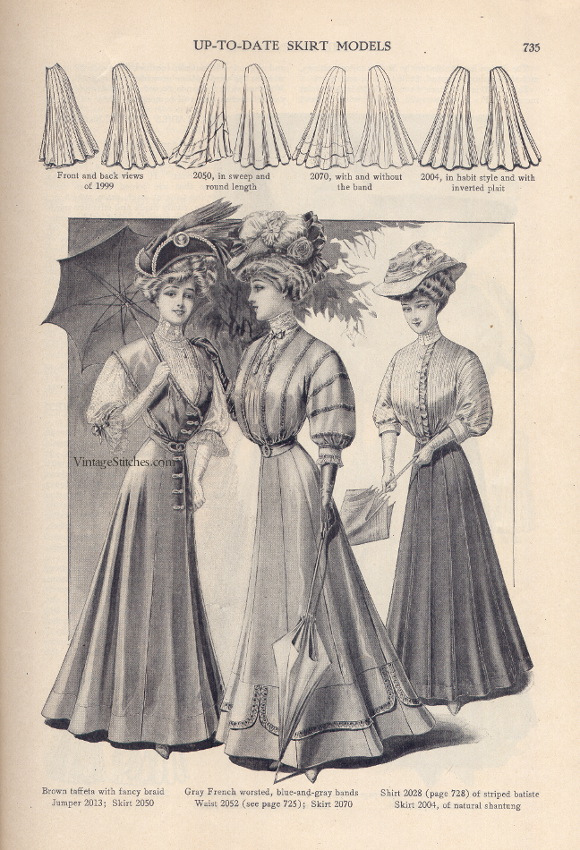
At the peak of her career, Maud Humphrey's name became a very familiar one, and soon she turned definitely to a different audience, that of fashion illustrations becoming, at the end of 1900, the artistic director of The Delineator's female magazine, drawing both prints and patterns, and also drawing patterns demanded by the companies selling them.


Maud was very proud of winning this position since The Delineator also gave her the chance to publish articles about her favorite cause, that of the right to the female suffrage.
Let me also point out that this woman remains in History not only for what she has left us as far as artistic repertoire amongst calendars, greeting cards, postcards, fashion magazines and more than twenty books of stories for children [ amongst which there are Sunshine of Little Children (1888); Babes of the Nations (1889); Baby Sweethearts (1890); Bonnie Little People (1890); Ideals of Beauty (1891); Famous Rhymes from Mother Goose (1891); The Light Princess (1893); The Book of Pets (1893); Little Playmates (1894); Old Youngsters (1897); Little Grown-Ups (1897); The Littlest Ones (1898); Little Rosebuds (1898); Sleepy-Time Stories (1899); Gallant Little Patriots (1899); Children of the Revolution (1900); Little Continentals (1900); Little Folk of '76 (1900); Young American Speaker (c. 1900) ] but because in her we may find the change it was living the female figure at the end of the Victorian period, the emancipation which, already starting from the education she received as a young girl to end with her participation in the movement of suffragettes, shows us how it was going to promote women and femininity, rediscovered after being suppressed by 'Victorianism'.

And now, just for you, some images of hers I love most:


the title (and link) of one of the twenty books that she illustrated which you can browse online, download on your PC or even print, if you wish it:

A treasury of stories, jingles and rhymes. With one hundred and forty vignette illustrations in half-tone (1894)

and some of the fanciful images she created for The Delineator since she became a collaborator of its, never forgetting to put children both in covers and in patterns every now and then.


So very glad to have let you meet this extraordinary illustrator
whom I am sure has conquered your hearts too,
I'm thanking you all once again,


see you soon 💕


- immagine 1


Nata il 30 di marzo del 1868 in un'importante famiglia di Rochester, New York, Maud Humphrey diede esibizione di un precoce, marcato talento in ambito artistico promosso ed affinato da lezioni serali prese a partire dall'età di dodici anni.


Già durante la sua adolescenza ella accettò le sue prime commissioni per illustrazioni in bianco e nero per libri per l'infanzia e a diciotto anni si trasferì A New York dove si iscrisse alla Art Students League di recente istituzione e quindi alla Julian Academy di Parigi per affinare definitivamente la propria abilità con il pennello.


- immagine 2 sulla sinistra: Maud ritratta in giovane età - Maud dipingeva acquerelli a secco ed i suoi soggetti preferiti erano bimbi in fasce o fanciulli dall'espressione vivace e gioiosa che conquistarono immediatamente il pubblico ed indussero i venditori di alimenti e di saponi per bambini a richiedere i suoi lavori, visti sovente su cartoline e calendari.

Nel 1898 si sposò con un chirurgo in vista all'epoca, il Dr.Belmont De Forest Bogart, al quale diede un figlio e due fanciulle, e fu proprio questo matrimonio a promuovere ulteriormente la sua crescita, tanto che per il suo lavoro giunse a guadagnare oltre 50.000 dollari l'anno, molto più del doppio del reddito del marito: Maud era impegnata nell'illustrare libri eccezionalmente popolari e nella pubblicità per la Mellins Baby Food per la quale il piccolo Humphrey Bogart, il suo unico bimbo maschio e futuro attore hollywoodiano, era il modello prediletto.

Vinse un concorso indetto dalla Louis Prang and Company per la progettazione di cartoline di Natale per poi cominciare a lavorare per l'editore di New York Frederick A. Stokes Company come illustratrice.

Al culmine della sua carriera, quello di Maud Humphrey divenne un nome decisamente familiare, e presto si rivolse ad un pubblico diverso, quello delle illustrazioni di moda e, sul finire dell'anno 1900, divenne direttore artistico della rivista femminile The Delineator, disegnando sia stampe che modelli, nonché schemi di campione per sartorie richiesti da società che commerciavano cartamodelli. 


- immagine 3 sulla destra: Maud ritratta con il suo piccolo Humphrey - Maud fu decisamente orgogliosa di aver conquistata questa posizione visto che il The Delineator le dava inoltre la possibilità di pubblicare articoli sulla sua causa preferita, ossia il quella del diritto femminile al suffragio. 


Lasciatemi infine sottolineare che questa figura femminile rimane nella storia non solo per ciò che ci ha lasciato quanto a repertorio artistico tra calendari, biglietti augurali, cartoline, riviste di moda e più di venti libri di racconti [ tra cui figurano Sunshine of Little Children (1888); Babes of the Nations (1889); Baby Sweethearts (1890);
Bonnie Little People (1890); Ideals of Beauty (1891); Famous Rhymes from Mother Goose (1891); The Light Princess (1893); The Book of Pets (1893); Little Playmates (1894); Old Youngsters (1897); Little Grown-Ups (1897); The Littlest Ones (1898); Little Rosebuds (1898); Sleepy-Time Stories (1899); Gallant Little Patriots (1899); Children of the Revolution (1900); Little Cntinentals (1900);
Little Folk of '76 (1900); Young American Speaker (c. 1900) ], ma perché in lei ritroviamo il mutamento che stava subendo la figura femminile sul finire del periodo vittoriano, l'emancipazione che, già a partire dall'istruzione che ricevette da fanciulla per finire con il suo partecipare al movimento delle suffragette, ci viene esibita come motivo di promozione della donna e della femminilità, riscoperta dopo essere stata in gran parte soffocata dal 'vittorianesimo'.


Ed ora, per voi, alcune delle sue immagini che più amo:


- immagine 4 


- immagine 5


- immagine 6


- immagine 7


- immagine 8


- immagine 9


- immagine 10


- immagine 11


- immagine 12


- immagine 13


il titolo ( ed il link ) di uno dei venti libri che ella illustrò che potete sfogliare online, scaricare sul vostro pc o stampare, qualora lo desideraste:

A treasury of stories, jingles and rhymes. With one hundred and forty vignette illustrations in half-tone (1894)

ed alcune delle eleganti immagini di cui corredò il The Delineator da quando ne divenne collaboratrice, senza mai dimenticare di inserire di quando in quando fanciulli, sia nelle copertine che nei cartamodelli.


- immagine 14


- immagine 15


- immagine 16


- immagine 17


- immagine 18


- immagine 19


- immagine 20


Lieta di avervi presentata questa straordinaria illustratrice 
che sono certa avrà conquistato anche i vostri cuori, 
torno a ringraziare tutti voi, 

a presto 💕