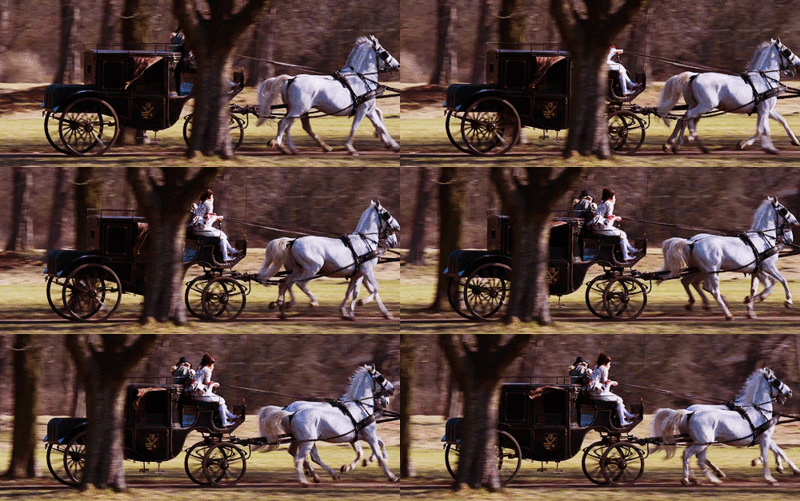
"Fu seguendo il dolce volo di un pettirosso, che abbandonò il ramo del susino su cui sostava, desideroso di indicarle la via per la serenità, che ella scoprì una vecchia porta in legno nascosta tra l'edera per mezzo della quale accedette ad un logoro e trascurato walled garden - da tempo nessuno se ne prendeva cura - di cui iniziò, entusiasta, il restauro, arricchendolo con con centinaia e centinaia di rose dai più dolci profumi.

Mise un tavolo ed una sedia nel vecchio gazebo, ed abbigliata sempre di un abito bianco ed un grande cappello,

a grandi falde,vi entrava per scrivere nella pace e nella tranquillità del suo profumato

a grandi falde,vi entrava per scrivere nella pace e nella tranquillità del suo profumato
Giardino Segreto."
Daniela Lasagnini
Più di un centenario è trascorso dalla pubblicazione della prima edizione del romanzo per l'infanzia The Secret Garden ( 1911 ) ed ancora continua ad incantare grandi e piccini, ad ispirare registi, produttori cinematografici e di canovacci teatrali ...
Non era più giovanissima quando, intorno alla metà del 1890, Frances Hodgson Burnett scopri la magnificenza di Great Maytham Hall e dei 1,700 acri di terreno in cui era immersa, aveva al tempo già scritto la maggior parte dei suoi lavori di successo, ma fu qui che ella trovò il suo SECRET GARDEN.

Drawing of Frances Hodgson Burnett with signature, from the New York Public Library [http://digitalgallery.nypl.org/nypldigital/id?1164534]
Nata il 24 novembre del 1849 nel circondario di Manchester, conosciuta come commediografa e scrittrice inglese, Frances Eliza Hodgson legò il suo nome ( ed il suo successo ) principalmente a romanzi per l'infanzia; terza dei cinque figli, con due fratelli maggiori e due sorelle minori, della prole di Edwin Hodgson e di Eliza Boon, la sua famiglia apparteneva alle classi medio-alte della città ed, essendo il padre un negoziante di ferramenta che lavorava in un centro industriale ( anche se la maggior parte delle industrie di Manchester erano tessili ) potevano permettersi un certo benessere che consentiva loro di mantenere anche una domestica ed una nurse.
La Guerra di Secessione in America che ebbe inizio nell'aprile del 1861 bloccò del tutto le esportazioni di cotone per cui gli abitanti di Manchester, poco a poco, caddero in miseria, motivo per cui gli Eliza Hodgson, divenuta capofamiglia dopo la morte del marito, decise di vendere tutti gli averi degli Hodgsons in Inghilterra per seguire il fratello il quale era emigrato nel Tennessee dove ora stava mandando avanti un fiorente negozio di merci secche. Nel 1865, quando Frances aveva sedici anni, la famiglia emigrò gli Stati Uniti e si stabilì nei pressi di Knoxville, dove dovettero adattarsi ad una vita ben più modesta rispetto a quella cui erano avvezzi: dopo la fine della guerra che portò commercio nella zona,lo zio di Frances perse gran parte della propria fortuna e non fu in grado di provvedere alla famiglia della sorella appena giunta in terra d'oltreoceano.
I poveri Hodgsons furono così costretti a trascorrere il primo freddo inverno nel Tennessee in una capanna di legno, tipo quelle che siamo usi vedere utilizzate dai pionieri, per poi trovare poco dopo una sistemazione leggermente migliore, una casa che Frances chiamò "Arca di Noè, il Monte Ararat".
Viveva a quel tempo di fronte a loro la famiglia Burnett, e Frances trascorreva il proprio tempo libero con il giovane Swan Burnett, menomato di conseguenza ad un incidente occorsogli durante l'infanzia che lo rese claudicante e perciò incapace di dedicarsi a qualsiasi attività fisica, iniziandolo alla lettura di autori quali Charles Dickens, Sir Walter Scott e William Makepeace Thackeray che ella già aveva conosciuto nella sua Inghilterra.
Giunta in America Frances iniziò a scrivere per aiutare la famiglia: la sua prima storia venne pubblicata su The Godey's Lady's Book nel 1868 e dopo di essa, i suoi racconti apparvero regolarmente sullo Scribner's Monthly, Peterson's Ladies' Magazine e Harper's Bazaar; frattanto nel 1870 la situazione si fece ancora più critica quando si spense anche Eliza ...

Maritatasi con Swan M.Burnett, che nel frattempo aveva condotto e concluso i propri studi per divenire medico, nel 1873, Frances pubblicò il suo primo romanzo That Lass o' Lowrie's, una storia sulla vita nel Lancashire nel 1877 cui fecero seguito Haworth's (1879), Louisiana (1880), A Fair Barbarian (1881), e Through One Administration (1883), ed anche lo spettacolo teatrale Esmeralda (1881) scritto insieme con William Gillette.
Nel 1886 pubblicò Little Lord Fauntleroy che noi conosciamo come Il Piccolo Lord ispirato al suo secondo figliolo ( dal matrimonio con Burnett ella ebbe due figli, Lionel and Vivian ) che vendette più di mezzo milione di copie.
Dalla metà degli anni novanta dell'Ottocento Frances scelse di tornare a vivere in Inghilterra e nel 1898 Frances divorziò dal Dr.Burnett sposandosi dopo solo due anni con Stephen Townsend, il suo business-manager. Il secondo matrimonio durò meno di due anni, terminando nel 1902, ma ella aveva comunque trovato la serenità, si era stabilita
presso Great Maytham Hall

nel cui ampio giardino ella coltivava le proprie passioni, quella della cura dei fiori e quella della scrittura; ella elesse questo imponente edificio che sembrava un antico maniero feudale - in realtà risaliva la 1721 - quale propria dimora per il decennio seguente, accogliendo ospiti dai nomi di spicco del mondo delle arti tra cui Ellen Terry, Henry James e Rudyard Kipling e vivendovi con Stephen Townsend prima ancora di sposarlo, destando così grande sdegno nel Vicario del villaggio.
I suoi ultimi lavori includono Sara Crewe (1888) - successivamente riscritto come The Little Princess - La Piccola Principessa (1905); A Lady of Quality (1896) - considerato uno dei migliori spettacoli teatrali da lei scritti - e The Secret Garden, ovvero Il Giardino Segreto ( pubblicato nel 1911 ) - forse la sua opera più conosciuta.
“Non possedevo il pettirosso — lui possedeva me — o forse ci appartenevamo l'un l'altro.
Era un pettirosso inglese ed era una persona — non semplicemente un uccello . . . Incontrai questo 'tipo' così particolare nel mio roseto in Kent. Ero certa che fosse nato lì e per almeno un anno egli credette che quello fosse il mondo. Si trattava di un luogo solitario, mistico, chiuso parzialmente da una barriera di vecchi mattoni rossi con dietro un bosco.”
Non era più giovanissima quando, intorno alla metà del 1890, Frances Hodgson Burnett scopri la magnificenza di Great Maytham Hall e dei 1,700 acri di terreno in cui era immersa, aveva al tempo già scritto la maggior parte dei suoi lavori di successo, ma fu qui che ella trovò il suo SECRET GARDEN.
∼ CENNI BIOGRAFICI ∽

Drawing of Frances Hodgson Burnett with signature, from the New York Public Library [http://digitalgallery.nypl.org/nypldigital/id?1164534]
La Guerra di Secessione in America che ebbe inizio nell'aprile del 1861 bloccò del tutto le esportazioni di cotone per cui gli abitanti di Manchester, poco a poco, caddero in miseria, motivo per cui gli Eliza Hodgson, divenuta capofamiglia dopo la morte del marito, decise di vendere tutti gli averi degli Hodgsons in Inghilterra per seguire il fratello il quale era emigrato nel Tennessee dove ora stava mandando avanti un fiorente negozio di merci secche. Nel 1865, quando Frances aveva sedici anni, la famiglia emigrò gli Stati Uniti e si stabilì nei pressi di Knoxville, dove dovettero adattarsi ad una vita ben più modesta rispetto a quella cui erano avvezzi: dopo la fine della guerra che portò commercio nella zona,lo zio di Frances perse gran parte della propria fortuna e non fu in grado di provvedere alla famiglia della sorella appena giunta in terra d'oltreoceano.
I poveri Hodgsons furono così costretti a trascorrere il primo freddo inverno nel Tennessee in una capanna di legno, tipo quelle che siamo usi vedere utilizzate dai pionieri, per poi trovare poco dopo una sistemazione leggermente migliore, una casa che Frances chiamò "Arca di Noè, il Monte Ararat".
Viveva a quel tempo di fronte a loro la famiglia Burnett, e Frances trascorreva il proprio tempo libero con il giovane Swan Burnett, menomato di conseguenza ad un incidente occorsogli durante l'infanzia che lo rese claudicante e perciò incapace di dedicarsi a qualsiasi attività fisica, iniziandolo alla lettura di autori quali Charles Dickens, Sir Walter Scott e William Makepeace Thackeray che ella già aveva conosciuto nella sua Inghilterra.
Giunta in America Frances iniziò a scrivere per aiutare la famiglia: la sua prima storia venne pubblicata su The Godey's Lady's Book nel 1868 e dopo di essa, i suoi racconti apparvero regolarmente sullo Scribner's Monthly, Peterson's Ladies' Magazine e Harper's Bazaar; frattanto nel 1870 la situazione si fece ancora più critica quando si spense anche Eliza ...
Nel 1886 pubblicò Little Lord Fauntleroy che noi conosciamo come Il Piccolo Lord ispirato al suo secondo figliolo ( dal matrimonio con Burnett ella ebbe due figli, Lionel and Vivian ) che vendette più di mezzo milione di copie.
Dalla metà degli anni novanta dell'Ottocento Frances scelse di tornare a vivere in Inghilterra e nel 1898 Frances divorziò dal Dr.Burnett sposandosi dopo solo due anni con Stephen Townsend, il suo business-manager. Il secondo matrimonio durò meno di due anni, terminando nel 1902, ma ella aveva comunque trovato la serenità, si era stabilita
presso Great Maytham Hall
nel cui ampio giardino ella coltivava le proprie passioni, quella della cura dei fiori e quella della scrittura; ella elesse questo imponente edificio che sembrava un antico maniero feudale - in realtà risaliva la 1721 - quale propria dimora per il decennio seguente, accogliendo ospiti dai nomi di spicco del mondo delle arti tra cui Ellen Terry, Henry James e Rudyard Kipling e vivendovi con Stephen Townsend prima ancora di sposarlo, destando così grande sdegno nel Vicario del villaggio.
I suoi ultimi lavori includono Sara Crewe (1888) - successivamente riscritto come The Little Princess - La Piccola Principessa (1905); A Lady of Quality (1896) - considerato uno dei migliori spettacoli teatrali da lei scritti - e The Secret Garden, ovvero Il Giardino Segreto ( pubblicato nel 1911 ) - forse la sua opera più conosciuta.
∼ THE SECRET GARDEN ∽
“Non possedevo il pettirosso — lui possedeva me — o forse ci appartenevamo l'un l'altro.
Era un pettirosso inglese ed era una persona — non semplicemente un uccello . . . Incontrai questo 'tipo' così particolare nel mio roseto in Kent. Ero certa che fosse nato lì e per almeno un anno egli credette che quello fosse il mondo. Si trattava di un luogo solitario, mistico, chiuso parzialmente da una barriera di vecchi mattoni rossi con dietro un bosco.”

Copertina della prima edizione di The Secret Garden, pubblicata nel 1911
Dopo la perdita del suo primo figlio Lionel nel 1890 cominciò con il prender corpo nella mente della scrittrice l'idea di fare ritorno alla sua nativa Inghilterra, cosa che trovò realizzazione nel 1895 e, quando scoprì nel Kent la residenza di Great Maytham Hall se ne innamorò immediatamente; l'imponente costruzione, immersa nel verde, era allora di proprietà di John Tennant e da lui la prese in affitto nel 1898, dedicando tutto l'anno successivo al ripristino dei giardini in triste stato di decadimento, soprattutto quello scoperto grazie al suggerimento di quel 'curioso' pettirosso:


le poche righe che fanno da cappello introduttivo a questo post, da me scritte, che riportano alla mente la scoperta da parte della piccola Mary Lennox della porta di quello che diverrà il 'Secret Garden' non sono romanzate, ma corrispondono a realtà ...
Probabilmente in evidente stato depressivo, Frances Hodgson Burnett ritrovò la gioia di vivere nel lavoro in giardino e nell'entusiasmo dato dal creare uno spazio tutto per sé in cui rifugiarsi per scrivere: The Making of a Marchioness (1901) fu il primo romanzo che quel piccolo angolo di paradiso le ispirò e ad esso fecero seguito i già citati The Little Princess (1905) e The Secret Garden (1910).

Great Maytham Hall vista dal Secret Garden
Nel 1909, quando la scrittrice si trovava temporaneamente in America, fu commissionato a Sir Edwin Lutyens il ripristino dell'edifico principale che rimane tutt'oggi uno dei migliori esempi di costruzioni dell'epoca edoardiana in Kent, se non in tutta la Gran Bretagna: il proprietario desiderava fare di Great Maytham Hall una grande residenza di campagna per sostituire la sala in stile georgiano esistente con una vasto salone al piano terra per ricevere ed intrattenere gli ospiti, camere da letto al primo rialzato ed un secondo piano dedicato ai bambini.
Lutyens era responsabile di tutte le rifiniture di pregio di pertinenza architettonica, mentre i lavori di ripristino paesaggistico furono di competenza dell'inseparabile Gertrude Jekyll - il tutto per un costo di £ 24.000 - ... pensate a quanti nomi di prestigio è legato questo luogo !
Purtroppo però la vita di Great Maytham quale residenza famigliare doveva essere di breve durata. Tennant spirò dopo essere improvvisamente sprofondato sul suo tavolo da biliardo nel 1936, e la casa fu venduta dalla moglie due anni più tardi; nel 1840 lo scoppio del secondo conflitto mondiale fece sì che venisse requisita dal governo e cadesse successivamente in declino per recuperare lustro e splendore grazie ad un recente restauro in grado di ricondurre alla luce tutta la sua magnificenza tanto che che quasi fa concorrenza, con i suoi 17 acri di giardini formali, alla residenza di Sissinghurst, di lì poco distante.
Vi lascio con un raro sorriso di Frances Hodgson Burnett, un'altra lady che ci ha dimostrato quanto possa essere prodigioso il prendersi cura di un giardino e soprattutto il contatto diretto con la Natura che ne è sinonimo

e con la citazione di un proverbio cinese che mi sembra del tutto appropriato a questo mio scritto di oggi che spero, con tutto il cuore, abbiate trovato interessante.
Lo dedico ad una dolcissima amica, MINU', che ha espresso il desiderio di leggere un post sul suo romanzo preferito, The Secret Garden ... spero con ciò di avere appagato questa sua aspirazione e di non aver deluso le sue aspettative.
Chiunque ama e capisce un giardino,
vi troverà dentro la gioia.
A presto ♥


Fonti bibliografiche:
Frances Hodgson Burnett, The Secret Garden, DIAMOND BOOKS EDITION, 1993;
Frances Hodgson Burnett, The One I Knew the Best of All: A Memory of the Mind of a Child (1893), Kessinger Publishing, 2010.

- picture 1
- picture 2
She put a table and a chair in the old gazebo, and always dressed with a white gown and a wide-brimmed large hat,
- picture 3
Over a century has past since the publication of the first edition of the novel for children The Secret Garden (1911) and it still goes on enchanting young and old, to inspire directors, film makers and theatrical producers ...
She wasn't very young anymore when, around the middle of 1890, Frances Hodgson Burnett discovered the magnificence of Great Maytham Hall and of the 1,700 acres of land by which it was surrounded, she had at the time already written most of her works of success, but it was here that she found her SECRET GARDEN.
Born on November 24th,1849 in the district of Manchester, known as a playwright and writer, Frances Eliza Hodgson linked her name (and her success), mainly to novels for children; the third of five children, with two older brothers and two younger sisters, of Edwin and Eliza Hodgson Boon, her family belonged to the middle-upper classes of the town and, being her father an ironmonger who worked in an industrial center
( Manchester was enriching itself day by day because of its industries, mostly textiles ) could afford a degree of prosperity that allowed him to maintain even a maid and a nurse.
The Civil War in America that began on April 1861 stopped all exports of cotton, that's the reason why all the inhabitants of Manchester, gradually, fell into misery, and thus Eliza Hodgson, become head of the family after the death of her husband, soon decided to sell all the assets of the Hodgsons in England to follow her brother who had emigrated to Tennessee where now he had a thriving store of dry goods. In 1865, when Frances was sixteen years old, the family emigrated to the United States and settled near Knoxville, where they had to adapt to a life far more modest than the one they were accustomed: after the end of the war which led a big trade in the area, Frances's uncle lost most of his fortune and wasn't anymore able to provide for the family of her sister just arrived on the overseas land.
The poor Hodgsons were thus forced to spend their first cold winter in Tennessee in a log cabin, like the ones that we are used to see owned by the pioneers, to find shortly after a slightly better accommodation, a house that Frances called "Noah's Ark, Mount Ararat. "
At that time in front of them was living the Burnett family and Frances spent her spare time with the young Swan Burnett, maimed as a result of an accident which occurred during his childhood that left him lame and therefore unable to take part to any physical activity, initiating him to read authors such as Charles Dickens, Sir Walter Scott and William Makepeace Thackeray who she already had known in her native England.
Just arrived in America Frances began writing to support her family: her first story was published in The Godey's Lady's Book in 1868 and after it, her stories were regularly present on the Scribner's Monthly, the Peterson's Ladies' Magazine and Harper's Bazaar; meanwhile in 1870 the situation became even more critical when also Eliza died ...
- picture 5
Married with Swan M. Burnett, who in the meantime had conducted and completed his studies to become a doctor, in 1873, Frances published her first novel That Lass o 'Lowrie's - a story about life in Lancashire - in 1877 which was followed by Haworth's (1879 ), Louisiana (1880), A Fair Barbarian (1881), and Through One Administration (1883), and also the theatrical play Esmeralda (1881) co-written with William Gillette.
In 1886 she published Little Lord Fauntleroy inspired by her second son (from her marriage to Burnett she had two sons, Vivian and Lionel) which sold more than half a million copies.
Since the mid-nineties of the XIXth century Frances chose to return to live in England and in 1898 she divorced from Dr.Burnett marrying after only two years Stephen Townsend, her business-manager. The second marriage lasted less than two years, ending in 1902, but she had found her longed serenity, she had settled at Great Maytham Hall
- picture 6
in the large garden of which she cultivated her passions, both that of the care of the flowers and that of writing; she chose this imposing building that looked like an ancient feudal manor - actually it dates back to 1721 - as her home for the next decade, welcoming guests from the leading names belonging to the world of the arts including Ellen Terry, Henry James and Rudyard Kipling and for living there with Stephen Townsend before marrying him, rousing thus great indignation in the Vicar of the village.
Her latest works include Sara Crewe (1888), later rewritten as The Little Princess (1905); A Lady of Quality (1896) - considered one of the best plays written by her - and The Secret Garden (published in 1911) - perhaps her best known work.
“I did not own the robin — he owned me — or perhaps we owned each other.
He was an English robin and he was a person — not a mere bird. . . This particular one I knew in my rose-garden in Kent. I feel sure he was born there and for a summer at least believed it to be the world. It was a lonesome, mystic place, shut in partly by old red brick hedge with a wood behind it.”
- picture 7 - Cover of the first edition of The Secret Garden, published in 1911
After the loss of her first child, Lionel, in 1890, it began to take shape in the mind of the writer the idea of coming back to her native England, idea which found realization in 1895 and, when she discovered in Kent the residence of Great Maytham Hall she immediately fell in love with it; the imposing building, surrounded by greenery, was then owned by John Tennant and after renting it in 1898, she devoted the very next year to restore the gardens in sad state of decay, especially the one discovered by suggesting of that 'curious' robin:
- picture 8
- picture 9
- picture 10
- picture 11
the few lines that form the introductory chapeau to this post, written by me, which bring to mind the discovery by the little Mary Lennox of the door of what will become the 'Secret Garden' are not fictional, but correspond to reality ...
Probably in a state of depression, Frances Hodgson Burnett found back the joy of life, working in her garden and in the enthusiasm given by creating a space for herself where to retreat to write: The Making of a Marchioness (1901) was the first novel which that little piece of heaven inspired her and it was followed by the already mentioned The Little Princess (1905) and The Secret Garden (1910).
- picture 12 - Great Maytham Hall seen from the Secret Garden
In 1909, when the writer was temporarily in America, it was commissioned to Sir Edwin Lutyens the restoration of the main building that remains one of the finest examples of Edwardian buildings in Kent, if not in the whole Britain: the owner wanted to do of Great Maytham Hall a large country house, replacing the existing Georgian-style lounge, with a large hall on the ground floor to receive and entertain guests, bedrooms on the first floor and a second floor dedicated to children.
Lutyens was responsible for all the high quality finishings of architectural relevance, while the works of landscape restoration were commissioned to the inseparable Gertrude Jekyll - all at a cost of £ 24,000 - ... think of how many names of prestige are tied to this place !
Unfortunately, the fate of the life of Great Maytham as a family residence was to be short-lived. Tennant died after suddenly collapsing on his billiards table in 1936, and the house was sold by his wife two years later; in 1840 the outbreak of the Second World War meant that it was requisitioned by the government and subsequently fell into decline, to recover prestige and glory thanks to a recent restoration able to bring to light all its glory so that it now almost competes, with its 17 acres of formal gardens, with the residence of Sissinghurst, not far from there.
I'm leaving you with a rare smile by Frances Hodgson Burnett, another lady who showed us how prodigious the care of a garden and the direct contact with nature that is its synonymous can be
- picture 13
and by quoting a Chinese proverb which I think is definitely appropriate to this writing of mine of today that I hope, with all my heart, you've found pleasant and interesting to read.
I dedicate it to a very sweet friend, MINU', who has expressed the desire to read a post on her favorite novel, The Secret Garden ... I hope with this to have given realization to this aspiration of hers and not to have disappointed her expectations.
See you soon my beloved friends ♥
"It was following the gentle flight of a robin, that leaving the branch of the plum tree on which he stood, eager to show her the way to the serenity, that she found an old wooden door, hidden in the ivy, through which came into a threadbare and neglected walled garden - for a so long time no one took care of it - of which began, enthusiastic, the restoration enriching it with hundreds and hundreds of roses from the sweetest scents.
She put a table and a chair in the old gazebo, and always dressed with a white gown and a wide-brimmed large hat,
- picture 3
she entered it to write in the peace
and the tranquility of her perfumed
Secret Garden."
Daniela Lasagnini
Over a century has past since the publication of the first edition of the novel for children The Secret Garden (1911) and it still goes on enchanting young and old, to inspire directors, film makers and theatrical producers ...
She wasn't very young anymore when, around the middle of 1890, Frances Hodgson Burnett discovered the magnificence of Great Maytham Hall and of the 1,700 acres of land by which it was surrounded, she had at the time already written most of her works of success, but it was here that she found her SECRET GARDEN.
∼ BIOGRAPHY ∽
- picture 4 - Drawing of Frances Hodgson Burnett with signature, from the New York Public Library - [http://digitalgallery.nypl.org/nypldigital/id?1164534]
( Manchester was enriching itself day by day because of its industries, mostly textiles ) could afford a degree of prosperity that allowed him to maintain even a maid and a nurse.
The Civil War in America that began on April 1861 stopped all exports of cotton, that's the reason why all the inhabitants of Manchester, gradually, fell into misery, and thus Eliza Hodgson, become head of the family after the death of her husband, soon decided to sell all the assets of the Hodgsons in England to follow her brother who had emigrated to Tennessee where now he had a thriving store of dry goods. In 1865, when Frances was sixteen years old, the family emigrated to the United States and settled near Knoxville, where they had to adapt to a life far more modest than the one they were accustomed: after the end of the war which led a big trade in the area, Frances's uncle lost most of his fortune and wasn't anymore able to provide for the family of her sister just arrived on the overseas land.
The poor Hodgsons were thus forced to spend their first cold winter in Tennessee in a log cabin, like the ones that we are used to see owned by the pioneers, to find shortly after a slightly better accommodation, a house that Frances called "Noah's Ark, Mount Ararat. "
At that time in front of them was living the Burnett family and Frances spent her spare time with the young Swan Burnett, maimed as a result of an accident which occurred during his childhood that left him lame and therefore unable to take part to any physical activity, initiating him to read authors such as Charles Dickens, Sir Walter Scott and William Makepeace Thackeray who she already had known in her native England.
Just arrived in America Frances began writing to support her family: her first story was published in The Godey's Lady's Book in 1868 and after it, her stories were regularly present on the Scribner's Monthly, the Peterson's Ladies' Magazine and Harper's Bazaar; meanwhile in 1870 the situation became even more critical when also Eliza died ...
- picture 5
Married with Swan M. Burnett, who in the meantime had conducted and completed his studies to become a doctor, in 1873, Frances published her first novel That Lass o 'Lowrie's - a story about life in Lancashire - in 1877 which was followed by Haworth's (1879 ), Louisiana (1880), A Fair Barbarian (1881), and Through One Administration (1883), and also the theatrical play Esmeralda (1881) co-written with William Gillette.
In 1886 she published Little Lord Fauntleroy inspired by her second son (from her marriage to Burnett she had two sons, Vivian and Lionel) which sold more than half a million copies.
Since the mid-nineties of the XIXth century Frances chose to return to live in England and in 1898 she divorced from Dr.Burnett marrying after only two years Stephen Townsend, her business-manager. The second marriage lasted less than two years, ending in 1902, but she had found her longed serenity, she had settled at Great Maytham Hall
- picture 6
in the large garden of which she cultivated her passions, both that of the care of the flowers and that of writing; she chose this imposing building that looked like an ancient feudal manor - actually it dates back to 1721 - as her home for the next decade, welcoming guests from the leading names belonging to the world of the arts including Ellen Terry, Henry James and Rudyard Kipling and for living there with Stephen Townsend before marrying him, rousing thus great indignation in the Vicar of the village.
Her latest works include Sara Crewe (1888), later rewritten as The Little Princess (1905); A Lady of Quality (1896) - considered one of the best plays written by her - and The Secret Garden (published in 1911) - perhaps her best known work.
∼ THE SECRET GARDEN ∽
“I did not own the robin — he owned me — or perhaps we owned each other.
He was an English robin and he was a person — not a mere bird. . . This particular one I knew in my rose-garden in Kent. I feel sure he was born there and for a summer at least believed it to be the world. It was a lonesome, mystic place, shut in partly by old red brick hedge with a wood behind it.”
- picture 7 - Cover of the first edition of The Secret Garden, published in 1911
After the loss of her first child, Lionel, in 1890, it began to take shape in the mind of the writer the idea of coming back to her native England, idea which found realization in 1895 and, when she discovered in Kent the residence of Great Maytham Hall she immediately fell in love with it; the imposing building, surrounded by greenery, was then owned by John Tennant and after renting it in 1898, she devoted the very next year to restore the gardens in sad state of decay, especially the one discovered by suggesting of that 'curious' robin:
- picture 8
- picture 9
- picture 10
- picture 11
the few lines that form the introductory chapeau to this post, written by me, which bring to mind the discovery by the little Mary Lennox of the door of what will become the 'Secret Garden' are not fictional, but correspond to reality ...
Probably in a state of depression, Frances Hodgson Burnett found back the joy of life, working in her garden and in the enthusiasm given by creating a space for herself where to retreat to write: The Making of a Marchioness (1901) was the first novel which that little piece of heaven inspired her and it was followed by the already mentioned The Little Princess (1905) and The Secret Garden (1910).
- picture 12 - Great Maytham Hall seen from the Secret Garden
In 1909, when the writer was temporarily in America, it was commissioned to Sir Edwin Lutyens the restoration of the main building that remains one of the finest examples of Edwardian buildings in Kent, if not in the whole Britain: the owner wanted to do of Great Maytham Hall a large country house, replacing the existing Georgian-style lounge, with a large hall on the ground floor to receive and entertain guests, bedrooms on the first floor and a second floor dedicated to children.
Lutyens was responsible for all the high quality finishings of architectural relevance, while the works of landscape restoration were commissioned to the inseparable Gertrude Jekyll - all at a cost of £ 24,000 - ... think of how many names of prestige are tied to this place !
Unfortunately, the fate of the life of Great Maytham as a family residence was to be short-lived. Tennant died after suddenly collapsing on his billiards table in 1936, and the house was sold by his wife two years later; in 1840 the outbreak of the Second World War meant that it was requisitioned by the government and subsequently fell into decline, to recover prestige and glory thanks to a recent restoration able to bring to light all its glory so that it now almost competes, with its 17 acres of formal gardens, with the residence of Sissinghurst, not far from there.
I'm leaving you with a rare smile by Frances Hodgson Burnett, another lady who showed us how prodigious the care of a garden and the direct contact with nature that is its synonymous can be
- picture 13
and by quoting a Chinese proverb which I think is definitely appropriate to this writing of mine of today that I hope, with all my heart, you've found pleasant and interesting to read.
I dedicate it to a very sweet friend, MINU', who has expressed the desire to read a post on her favorite novel, The Secret Garden ... I hope with this to have given realization to this aspiration of hers and not to have disappointed her expectations.
Anyone who loves and understands a garden,
will find the joy in it.


Bibliographic sources:
Frances Hodgson Burnett, The Secret Garden, DIAMOND BOOKS EDITION, 1993;
Frances Hodgson Burnett, The One I Knew the Best of All: A Memory of the Mind of a Child (1893), Kessinger Publishing, 2010.
I'm sharing this post with:

Thank you JES for hosting me every week and for having featured me !