Visualizzazione post con etichetta zar Alessandro II. Mostra tutti i post

mercoledì 21 giugno 2023

Princess "K", the Secret Love of Crown Prince Rudolf von Habsburg-Lorraine


My love, how many ways to reach a kiss of yours,

what a wandering loneliness up to your company!

Pablo Neruda (1904-1973) da Cento Sonetti d’Amore (1959), Sonetto II, Mattino


Left: Princess Olga, called Princess K, photographed in the late 1880's.
Right above: the princess, who was three years old at the time (1868), holds her sister Maria, two year her senior, by her hand, and their mother Aleksandra is behind them; below: she is portrayed next to her sister a year later (1869). At that time they had already been legally adopted by Pyotr Albedinsky who had married Aleksandra at the end of the year 1865. (A detail: as you can see, the chaise longue in the last image is the same on which Princess Olga sits as an adult)

When Crown Prince Rudolf von Habsburg-Lorraine, son of the Emperor of Austria-Hungary Franz Josef and of his spouse, Empress Elisabeth, named Sisi, first met her, she was just a young girl: it was 1878, the year of his Grand-Tour, and the chance was just this travel of his around the main courts of Europe and the Middle-East, made to increase his knowledge of the world and of people, of art and of history. He was aged twenty, he was a young handsome man, 


while she was at the threshold of her adolescence, but he immediately fell in love with her: her lively temper, her joy-filled way to express herself charmed him and won his heart. Actually he had never knew such a delightsome girl before than then. 

When Rudolf was twenty, he met two charming Russian girls, the illegitimate daughters of Czar Alexander II. The younger one, known to her friends as K., was enchanting: pretty, vivacious, full of mischief. He fell in love with her and she with him. It was a gay flirtation.1

They became close friends at once, indeed, theirs was surely love at first sight and it is likely that they exchanged letters which remained, however, hidden from everybody, and which were probably destroyed, along with other documents, after the Mayerling tragedy. When the Emperor decided it was the moment to find a wife to his heir, Rudolf immediately expressed his will: he wanted to marry the young girl who everybody at court went on calling Princess K., but his father showed his disappointment without any restraint.

The Emperor was appalled at the very thought - an illegitimate princess to become Empress?'Rudolf must be mad!' Less understandably the Czar was equally opposed to the match, probably because he too subscribed to the principle that an illegitimate daughter of a monarch - even his own - was not fit to become an Empress. 2

In fact this charming girl had noble blood flowing in her veins since if her father was the Emperor of Russsia, her mother was a princess, she was Princess Aleksandra Sergeyevna Dolgorukaya who was Lady of honour of the Czarina Maria Aleksandrovna. But then she was the mistress of Czar Alexander II  and theirs was an extra-marital relaxion, and both Maria and Olga were considered'royal bastards', as they were sadly called at those times.


One day Rudolf would have inherited the throne of an empire and couldn't allow himself to follow his feelings, emotions and passions, his marriage was a matter of politics, of State, which nothing has to do with real love, that was what his father thought. He, as a young romantic young man, felt very sad thinking about the rest of his life, although he was utterly devote to the future of Austria-Hungary; his was something like a mission, and satisfying his father maybe he would have brought them closer to each other, smoothing out the frequent conflicts that were making their lives so difficult - they had a completely different views of politics, which is why Franz Josef was keeping him out of State affairs. His noble blood required to join that of a princess of true and legal aristocrat roots. At that time there were only three young Catholic Princesses who were worthy of being chosen as spouses for a future Emperor, but they offered just a little as for beauty and intelligence. The least worst of the three seemed to be the second child of King Leopold II of Belgium, Princess Stephanie.


Even though she was a Rudolf's relative - Marie Henriette of Habsburg-Lorraine, the mother of Stephanie, was a Franz Josef's cousin - they had never had the chance to meet themselves before. And so it was that in May 1880 a trip was organized that had the purpouse to lead the Austrian Archduke to Brussels. Rudolf had already gone to the Belgian capital on other occasions, but only for leisure, and never went to court; this time he had to meet his future wife, so he went to the Royal Palace where his future parents-in-law were waiting for him. This engagement and wedding were immediately decided and what seemed to be the marriage of the century, advocated by the court of origin of the far young bride and that of the groom, in a couple of years became a real hell for both of them. And after less than eight years it tragically ended in the Mayerling hunting lodge, on the morning of January 30, 1889, when Rudolf died of a violent death. Bur let's come back to Princess K. Our pleasant Archduke didn't had forgotten this considerable love of his, indeed, it was becaoming important more and more as his marriage went on deteriorating. As soon as he knew that he wouldn't be able to give a future to the throne - Stephanie, a few years after the birth of the little Erszebeth Marie, became sterile as a result of a venereal desease that Rudolf had trasmitted to her - he felt as his whole life had lost its whole meaning. 

In this condition his mind began wandering back to the past, and the picture of the charming Princess K. emerged more and more vividly. She had not married. Suddenly Rudolf felt that he had to see her again. Perhaps she would cheer him, and give him new vitality. He got in touch with her, and they arranged to meet in Switzerland in strict incognito. 3

Thus he made up his mind and, taking the chance of the absence from Vienna both of his wife and of his mother, with his cousin Johann Salvador's help, he decided to meet his beloved girl. 
It was September 16, 1888 when Rudolf reached the Castel of Prégny


which was the Summer residence of Baroness Julie von Rothschild and her husband, Baron Adolf, belonging to the Viennese branch of the family of the far famous German bankers. Inside this amazing castle, facing the Lake Geneva, it was preserved and hidden the proof of this meeting of his with the Russian Princess. After two days Rudolf was back in Vienna, and nobody, except for Johann Salvador, knew what had happened. Nine months later a little boy went into the world. We should say into the'New World' given he was born in America, in Hot Springs, Arkansas, at what was at the time the St. Joseph's Infirmary.
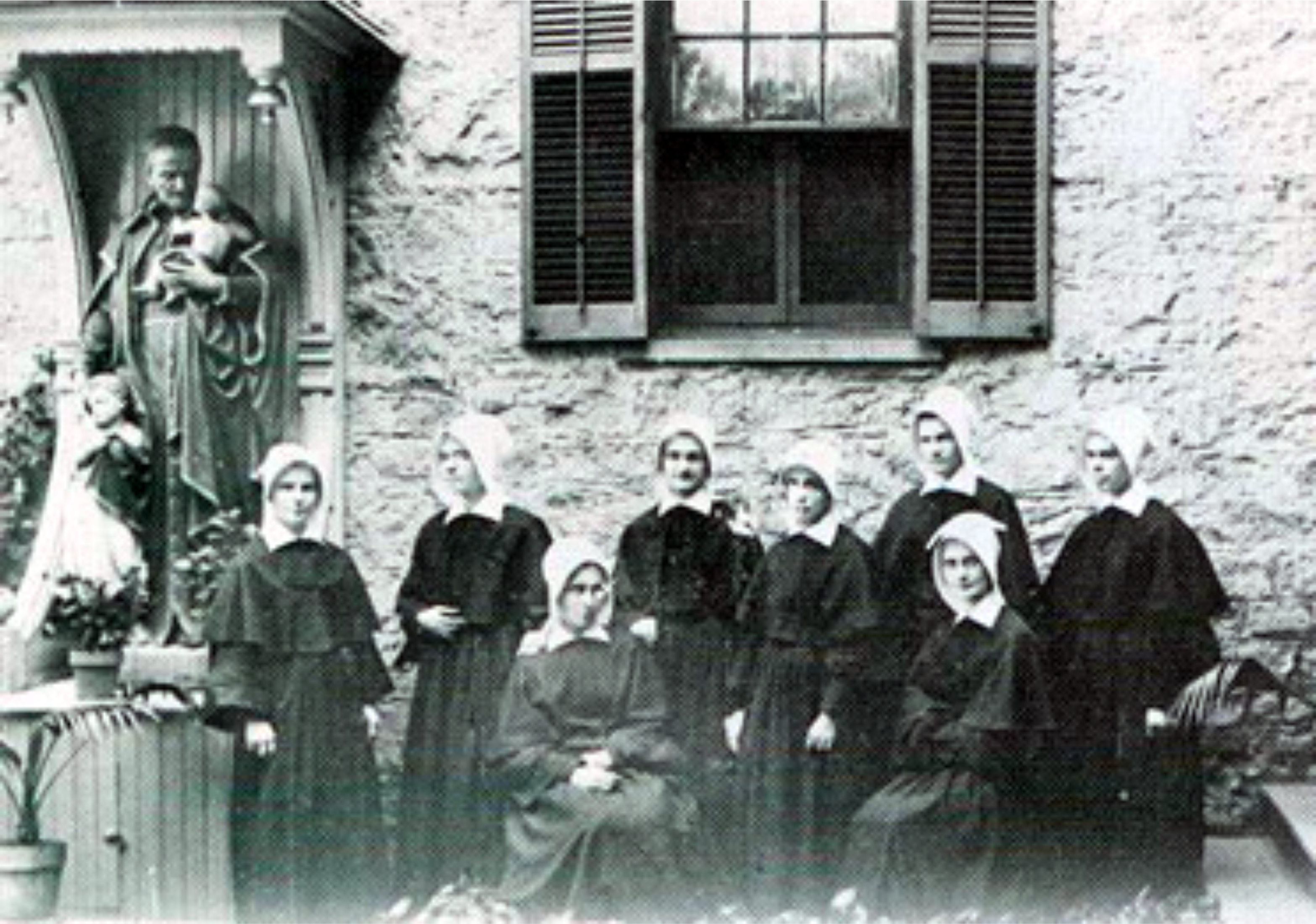

The St. Joseph Infirmary with the very first nuns who came from Kentucky 
with the order to open and to lead it.
This image dates back to September 24, 1888, 
a few months before Rudolf's son was born and was kept hidden in it. 
For sure, amongst them, there's who helped Princess K to give birth to her child and took care of them both

Probably you wonder why this child was born in America if his mother was Russian, and Rudolf's Family lived in Vienna.
Actually, as soon as Princess K. knew about the tragedy occured in Mayerling, together with her old nanny, left Russia: she was afraid to be found from the secret police from Vienna and to be forced to miscarry her baby. Everybody lost her traces, even her family. The only one she preserved contact with was her sister Princess Maria, who will go to America and arrived just in time to see the young Olga perish of hardship: she had no money with her when she left the court in St. Petersburg and, until then, they were the nuns who took care of her and of her baby as they could. Of the nanny were lost every traces: probably she went somewhere in Europe. But the child had to remain in America, that was the princess's last will, as said the nuns.
Looking at him with a loving gaze, Maria's attention was captured by her sister's gold chain, which she now saw wrapped around the small wrist of the child she had given birth to: its pendant, a cross, certainly meant to mean that whatever name would have been given to him, whatever fate befell him, no one could have ever doubted his faith.
He was so adorable! It was absolutely not easy for her to make up her mind, but at this point Maria had nothing else to do but coming back to Russia with her heart broken and filled with sadness: she had to go on living as if nothing would ever happened, forgetting everything although knowing she won't have seen her beloved younger sister and her little nephew again.
By his mother he was given a quite important name - Rudolf Franz Alexander Napoleon Augustus Maximilian Karl Josef but it was changed just to be sure that anybody could find him: he was thought to be a danger for the throne - having Habsburg roots, once became adult, he could have claimed a right to the succession at the Danubian double monarchy; he could have be seen as a threat.
That's why his real name was forgotten. When he was a little less than two years old he entered the St. Ann's Orphan Asylum in St. Louis, Missouri, with the name of James Cleveland Longstreet and remained there until he was eleven although the other children, when they reached the age of three, went to St. Mary's Orphanage if they were  female, and to St. Joseph's Home for Boys, if they were male.
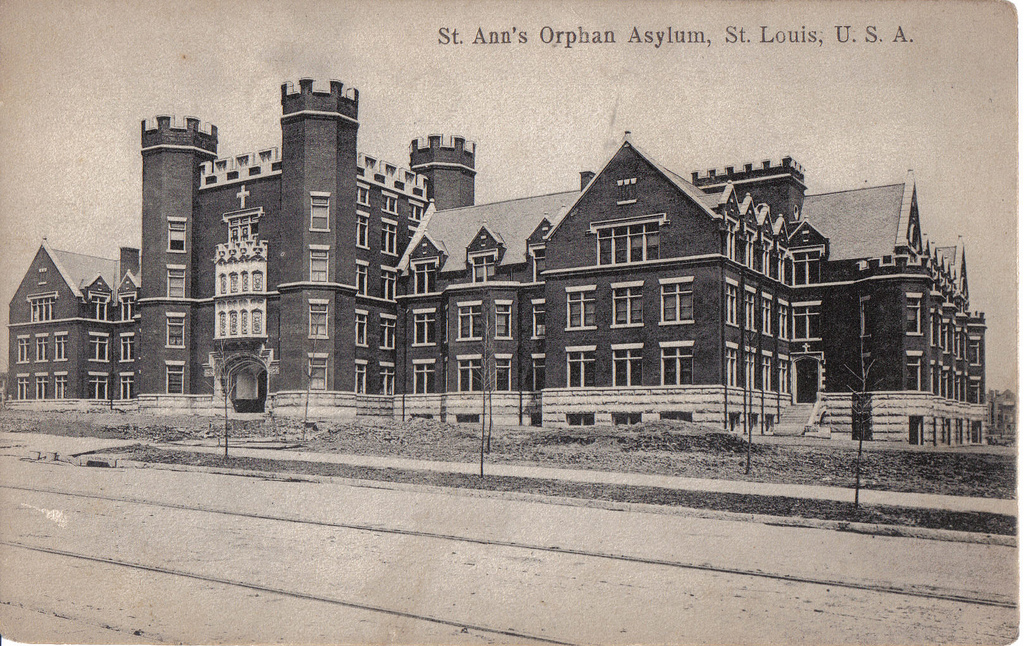


He won't have an easy life at all: he would have find himself living, as a child, without a roof on his head, side by side with pioneers, outlaws, cow-boys, gold seekers and cattle thieves, in a Land the history of which still had to be written. He wasn't aware of it, but there was always a 'special eye' looking over him: Emperor Franz Josef always knew where his grandson was and where to find him, and always instructed someone, amongst the most eminent personages of the place, to take care of him without the young boy realized of it. 
But that's another story you'll find in the book I wrote.


NOTES: 

1 - Daniela Lasagnini, Il figlio americano di Rodolfo d'Asburgo, Trieste, MGS PRESS, 2021, p. 26.

2 - Cfr. Daniela Lasagnini, Il figlio americano di Rodolfo d'Asburgo, Trieste, MGS PRESS, 2021, p. 27. 

3 - Judith Listowel, Crown Prince Rudolph. A Habsburg Tragedy, New York, Dorset Press, 1978, p. 296.

See you soon, 

Dearest Friends and Readers of mine,

enjoy this so lovely time of the year!

❤  


La principessa "K", amore segreto del 
 

principe ereditario Rodolfo d'Asburgo-Lorena


Amore, quante strade per giungere a un bacio,

che solitudine errante fino alla tua compagnia!

Pablo Neruda (1904-1973) da Cento Sonetti d’Amore (1959), Sonetto II, Mattino


 IMMAGINE DI FRONTESPIZIO - 
A sx: la principessa Olga, chiamata Principessa K, fotografata alla fine degli anni ‘80 del 1800. 
A dx: in alto la principessa, che allora aveva tre anni (1868), tiene per mano la sorella Maria, maggiore di due anni, ed è con loro la madre Aleksandra; in basso è ritratta accanto alla sorella un anno dopo (1869). Allora erano già state legalmente adottate da Pyotr Albedinsky che aveva sposato Aleksandra alla fine dell’anno 1865 (Un dettaglio: come potete vedere la chaise longue presente nell’ultima immagine è la stessa su cui si appoggia la principessa Olga da adulta).


Quando il principe ereditario Rodolfo d'Asburgo-Lorena,  figlio dell'imperatore d'Austria-Ungheria Francesco Giuseppe e della sua consorte, l'imperatrice Elisabetta, detta Sisi, la incontrò per la prima volta, non era altro che una ragazzina: era il 1878, l'anno del suo Grand-Tour, e tale occasione gli fu offerta proprio da questo viaggio che lo condusse a visitare le principali Corti europee ed il Medio -Oriente, un viaggio compiuto per incrementare le sue conoscenze del mondo e della gente, dell'arte, della storia. Egli aveva allora vent'anni, ed era un giovane di bell'aspetto,

IMMAGINE 2 - 
Il principe ereditario Rodolfo in una fotografia risalente al periodo del suo Grand-Tour


mentre ella si trovava non oltre le soglie dell'adolescenza, ma immediatamente egli se ne invaghì: il suo temperamento vivace, il suo modo di esprimersi così pieno di vita lo affascinarono e conquistarono il suo cuore. In realtà Rodolfo non aveva mai conosciuto una ragazza così piacente prima di allora.  

Quando Rodolfo aveva vent'anni, conobbe due affascinanti ragazzine russe, figlie illegittime dello zar Alessandro II. La più giovane, chiamata dagli amici 'K' , era incantevole: carina, spumeggiante e decisamente maliziosa. Egli s'innamorò di lei, lei di lui. Fu un corteggiamento giocoso.1

Al principio diventarono amici intimi, anzi, in realtà il loro fu amore a prima vista ed è verosimile che si siano scambiati lettere, che rimasero, comunque, tenute lontano dagli occhi di tutti e che andarono probabilmente distrutte, insieme con altri documenti, dopo la tragedia di Mayerling. Quando l'imperatore decise che fosse arrivato il momento di trovare una consorte per il suo erede, Rodolfo espresse nell'immediato il proprio desiderio: egli voleva sposare la giovane ragazza che tutti a Corte continuavano a chiamare principessa'K', ma suo padre espresse il suo sconcerto senza il benché minimo ritegno.

Il solo pensiero impietrì l'imperatore - una principessa illegittima futura imperatrice? 'Rodolfo deve essere impazzito!' Meno comprensibilmente anche lo zar si oppose al matrimonio, forse perché anch'egli condivideva il principio che la figlia illegittima di un monarca - anche se in questo caso era la sua - non fosse adatta a divenire imperatrice. 2

In realtà questa giovane affascinante aveva sangue nobile nelle proprie vene visto che suo padre era l'imperatore di tutte le Russie e sua madre era una principessa, la principessa Aleksandra Sergeyevna Dolgorukaya, dama d'onore della zarina Maria Aleksandrovna. Ma dello zar ella era l'amante e la loro era una relazione extraconiugale, per cui sia la principessa Olga che sua sorella maggiore Maria erano considerate figlie non legittime (a quel tempo erano chiamate 'royal bastards' ossia bastarde reali).

IMMAGINE 3 - 
Lo zar Alessandro II e la principessa Aleksandra Sergeyevna Dolgorukaya fotografati al tempo della loro relazione.

Un giorno Rodolfo avrebbe ereditato il trono di un impero e non poteva permettersi di assecondare i propri sentimenti, le proprie emozioni, le proprie passioni; il suo matrimonio era di pertinenza politica, era un affare di Stato che nulla ha a che spartire con il vero amore, ecco cosa pensava suo padre. Egli, allora giovane romantico, fu colto da un'improvvisa tristezza pensando a cosa poteva riservargli il resto della sua vita, nonostante fosse totalmente devoto al futuro dell'Austria-Ungheria: la sua era una sorta di missione, e, appagare suo padre, forse, avrebbe significato un riavvicinamento tra loro ed avrebbe appianato i frequenti dissidi che stavano rendendo le loro vite così difficili - avevano vedute completamente differenti in fatto di politica, motivo per cui Francesco Giuseppe lo teneva all'oscuro delle questioni ufficiali d'interesse nazionale e non solo. Al suo sangue nobile era necessario unire quello di una principessa le cui radici fossero davvero e legalmente aristocratiche. A quel tempo vi erano solamente tre giovani  principesse cattoliche degne di diventare spose di un futuro imperatore, ma avevano ben poco da offrire in quanto a bellezza ed intelligenza. La meno peggio delle tre sembrava essere la principessa Stefania, figlia secondogenita del re Leopoldo II del Belgio.


IMMAGINE 4 - 
La giovanissima principessa Stefania del Belgio, futura fidanzata del principe ereditario Rodolfo 


Seppure parente di Rodolfo - Maria Enrichetta d'Asburgo-Lorena, madre di Stefania, era cugina di Francesco Giuseppe - costoro non avevano mai avuto alcuna occasione d'incontrarsi prima. E fu così che nel maggio del 1880 fu organizzato un viaggio con l'intento di condurre l'arciduca austriaco a Bruxelles. Rodolfo era già stato nella capitale belga in altre occasioni, ma solo per svago, e mai si recò a Corte; questa volta doveva conoscere la sua futura sposa, così si recò al palazzo reale dove i suoi futuri suoceri lo stavano attendendo. Il fidanzamento ed il  matrimonio che vi avrebbe fatto seguito furono decisi nell'immediato e quello che sembrava lo sposalizio del secolo, caldeggiato dalle famiglie di origine di entrambi gli sposi, si trasformò, per entrambi, in un vero e proprio inferno. E dopo poco meno di otto anni si concluse tragicamente nel casino di caccia di Mayerling, il mattino del 30 gennaio 1889, quando Rodolfo morì di morte violenta.
Ma torniamo alla principessa'K'. Il nostro bell'arciduca non aveva dimenticato questo suo importante amore, anzi, esso diventava sempre più importante a mano a mano che il suo matrimonio andava deteriorandosi. Non appena seppe che non sarebbe stato in grado di dare un futuro al trono - Stefania, pochi anni dopo la nascita della piccola Erszebeth Marie, divenne sterile in conseguenza ad una malattia venerea che Rodolfo aveva contratto e che le aveva trasmesso - fu come se la sua vita avesse perso ogni suo significato.

In tali condizioni la sua mente cominciò a tornare con il pensiero al passato e l'immagine dell'affascinante principessa'K' emerse sempre più vividamente. Ella non si era ancora sposata. Rodolfo sentì che doveva incontrarla quanto prima. La contattò e si accordarono per incontrarsi in Svizzera nel più stretto riserbo. 3

Così fu deciso: cogliendo l'occasione dell'assenza da Vienna sia della madre che della moglie e contando sulla collaborazione amichevole del cugino Johann Salvador, Rodolfo si apprestava ad incontrare la sua amata ragazza.
Era il 16 settembre 1888 quando Rodolfo raggiunse il castello di Prégny

IMMAGINE 5 - 
Il castello della famiglia Rothschild situato a Prégny presso Ginevra


che era la residenza estiva della baronessa Julie von Rothschild e di suo marito, il barone Adolf, appartenente al ramo viennese della famiglia dei famosi banchieri tedeschi. All'interno di questo incantevole castello, che si affaccia sul Lago di Ginevra, fu conservata e tenuta nascosta la prova di questo suo incontro con la principessa russa. Due giorni dopo Rodolfo era già di ritorno a Vienna e nessuno, eccetto il cugino Johann Salvador, sapeva cosa era successo. Nove mesi più tardi venne al mondo un bambino. Dovremmo dire nel 'Nuovo Mondo' visto che nacque in America, ad Hot Springs, Arkansas, in quella che al tempo era la St. Joseph's Infirmary.


IMMAGINE 6 - 
La St. Joseph Infirmary con le primissime suore che vennero dal Kentucky con l'ordine di aprirla e condurla.
Questa immagine risale al 24 settembre 1888, pochi mesi prima che il figlio di Rodolfo vi nascesse e vi fosse tenuto nascosto.
Di certo, tra di loro, vi è chi fece nascere il figlio di Rodolfo e si prese cura di lui nonché della Principessa K


Probabilmente vi chiederete perché questo piccolo sia nato in America visto che sua madre era russa e la famiglia di Rodolfo viveva a Vienna.
In realtà, non appena la principessa'K' seppe della tragedia di Mayerling lasciò la Russia insieme con la sua vecchia balia: temeva di essere trovata dalla polizia segreta viennese e di essere obbligata ad abortire la propria creatura. Tutti persero le sue tracce, anche la sua famiglia. La sola con cui rimase in contatto fu sua sorella, la principessa Maria, che raggiunse l'America ed arrivò appena in tempo per vedere la giovane Olga perire di stenti: non aveva denaro con sé quando lasciò in tutta fretta la Corte di San Pietroburgo e, fino a quel momento, furono le suore dell'infermeria a prendersi cura di lei e del suo bambino come poterono. Della bambinaia fu persa ogni traccia: probabilmente fuggì in qualche parte dell'Europa. Ma il bambino doveva rimanere in America, questa era l'ultima volontà della principessa, come dissero le suore. Guardandolo con sguardo amorevole, l'attenzione di Maria fu catturata dalla catenina in oro di sua sorella, che ora vedeva avvolta al piccolo polso del bimbo che aveva dato alla luce: il suo ciondolo, una croce, voleva sicuramente stare a significare che qualunque nome gli fosse stato dato, qualunque destino gli fosse capitato, nessuno avrebbe potuto nutrire dubbi sul suo credo.
Era talmente adorabile! Non fu assolutamente facile per lei prendere una decisione, ma a questo punto a Maria non rimaneva altro da fare che tornare in Russia con il cuore spezzato e colmo di tristezza: doveva continuare la sua vita come se niente fosse accaduto, dimenticando tutto, consapevole che mai più avrebbe rivisto l'amata sorella ed il piccolo nipotino.
Sua madre gli aveva dato un nome molto importante - Rudolf Franz Alexander Napoleon Augustus Maximilian Karl Josef, ma fu cambiato per essere certi che nessuno lo potesse trovare: si pensava che potesse essere un pericolo per il trono - avendo radici asburgiche, una volta diventato adulto, avrebbe potuto vantare diritti di successione al trono della doppia monarchia danubiana; avrebbe potuto essere visto come una minaccia.
Ecco perché il suo vero nome fu dimenticato. Quando aveva poco meno di due anni fu messo nel St. Ann's Orphan Asylum a St. Louis, Missouri, con il nome di James Cleveland Longstreet, dove rimase fino all'età di undici anni sebbene tutti i bambini che vi erano alloggiati, una volta raggiunta l'età di tre anni, venivao trasferiti al St. Mary's Orphanage, se femmine, e alla St. Joseph's Home for Boys, se erano maschi.

IMMAGINE 7 - 
Il St. Ann's Orphan Asylum di Saint Louis, Missouri, fotografato come appariva nel 1903 


L'attenderà una vita non del tutto facile: si sarebbe ritrovato a vivere da bambino, senza il riparo di un tetto, accanto a pionieri, fuorilegge, cow-boys, cercatori d'oro e mandriani, in una Terra la cui storia era ancora tutta da scrivere. Ignorava che sarebbe sempre stato sorvegliato da un'occhio speciale': l'imperatore Francesco Giuseppe sapeva sempre dove si trovava suo nipote e dove poterlo trovare, ed istruiva immancabilmente qualcuno, scelto tra i più eminenti personaggi del luogo, perché sorvegliasse questo fanciullo cui tanto teneva, senza che egli se ne avvedesse. 
Ma questa è un'altra storia raccontata nel libro che ho scritto.


IMMAGINE 8 - 
Copertina de Il figlio americano di Rodolfo d'Asburgo, di Daniela Lasagnini, edito da MGS PRESS


CITAZIONI: 

1 - Daniela Lasagnini, Il figlio americano di Rodolfo d'Asburgo, Trieste, MGS PRESS, 2021, p.26 .

2 - Cfr. Daniela Lasagnini, Il figlio americano di Rodolfo d'Asburgo, op. cit., p.27 . 

3 - Judith Listowel, Crown Prince Rudolph. A Habsburg Tragedy, New York, Dorset Press, 1978, p.296 .


A presto, 

miei Carissimi Amici e Lettori, 

traete diletto da questo periodo dell'anno così bello!


❤


Dany


LINKING WITH:


lunedì 2 agosto 2021

IL FIGLIO AMERICANO DI RODOLFO D'ASBURGO ~ L'intervista in diretta


AVVISO PER TUTTI GLI AMICI ED I LETTORI DI ~ My little old world ~


Dopodomani terrò un'intervista in diretta su Fb durante la quale presenterò il saggio storico che, a fronte di anni di ricerche, ho scritto per la MGS Press di Trieste.
Chi ha piacere di seguirmi può chiedermi l'amicizia sul mio profilo e sarà immediatamente sintonizzato non appena comincerà la diretta.
Vi aspetto ❥


TO EVERY READER AND FRIEND OF ~ My little old world ~


The day after tomorrow I will hold a live interview on Fb during which I will present the historical essay I wrote, after years of researches, for the MGS Press of Trieste.
Anyone who likes to follow me can ask me for my friendship on my profile and will be immediately on-line as soon as the live broadcast begins.
Even if it will be held in Italian, 
I'll be waiting for you ❥


By clicking HERE you'll see the video which has been recorded


LINKING WITH:

August week 2


giovedì 18 febbraio 2021

IL FIGLIO AMERICANO DI RODOLFO D'ASBURGO di Daniela Lasagnini.


Sono stata lontana da voi e dal mio Blog tre anni circa e non è stato facile rinunciare a tutta l'entusiasmo e la gioia che mi ha sempre donata, ma, sono onesta, non riuscivo a trovare tempo per ogni cosa: il libro che  uscirà tra pochi giorni di cui sono autrice per la MGS Press di Trieste ha richiesto un notevole lavoro e intendevo investire tutte le mie energie innanzitutto in questo.
Ed ora, ad essere di nuovo qui con voi e a parlarvene, sto vivendo una grandissima emozione!
Sapete quanto ami la storia vittoriana e quella delle nobili famiglie del tempo, delle dinastie che allora regnavano sovrane, ma anche delle curiosità legate alla vita di artisti nonché di gente comune, al costume che allora dettava legge anche presso le classi più umili, alla cultura ottocentesca in genere.
E proprio grazie alla mia curiosità storica, ho scoperto quasi per caso l’argomento che è diventato il motivo del mio lavoro di questi ultimi anni.
Ho cominciato conducendo ricerche d’archivio presso alcuni stati americani, per trovare le conferme ad una storia che a suo tempo era solamente detta a mezza voce, bisbigliata nei corridoi dei palazzi sede del potere, e a cui, ancora oggi, solamente documenti custoditi oltreoceano riportati alla luce sono riusciti a ridare vita. 
E l’hanno ridata al suo frutto, nato, dopo la tragedia di Mayerling, dall’amore di Rodolfo per una misteriosa principessa russa, nominata ‘K’, figlia illegittima dello zar, che egli, a suo tempo, avrebbe voluto sposare. Il matrimonio gli fu negato, ma all’amore nessuno può metter freno.
Quando finalmente questa storia mi fu confermata da un familiare discendente che preferisco mantenere anonimo, al lavoro di affinamento della ricerca si è affiancato quello della prima stesura delle bozze, seguito da un’accurata lettura e correzione effettuata in collaborazione  con lo staff editoriale cui mi sono affidata: forse non lo sapete, ma la MGS Press è la casa editrice più preparata in quanto a conoscenza di storia asburgica, collocata non a caso nell’ultima parte che l’impero austro-ungarico perse e che dovette tornare al regno d’Italia.
Ad essa neppure ambivo di riuscire ad avvicinarmi con successo, ed invece tutto questo lavoro si è concretizzato in un libro.
Ve lo presento:


Il 30 gennaio 1889 a Mayerling – in circostanze che non sono state ancora del tutto chiarite e forse mai lo saranno – muore l’erede al trono d’Austria-Ungheria, Rodolfo d’Asburgo. Cinque mesi dopo, dall’altra parte dell’Oceano, in Arkansas, nasce suo figlio, l’erede maschio che non ha avuto dalla moglie Stefania. 
Chi è la donna che il 21 giugno di quell’anno mette al mondo a Hot Springs Rudolf Franz Alexander Napoleon Augustus Maximilian Karl Josef? È davvero una principessa russa? Si dice sia una figlia illegittima dello zar Alessandro II...
Sono in molti a cercare di scoprire l’identità della misteriosa “Principessa K” di cui si invaghisce Rodolfo; così come saranno in molti a cercarne il figlio americano, perché sono tanti gli interessi che vorticano intorno a un presunto erede dell’imperatore Francesco Giuseppe. 
Il bambino dai natali regali intanto cresce in un orfanotrofio per poi incontrare, come nelle migliori fiabe, chi si prenderà cura di lui amorevolmente, aiutandolo a trovare la sua strada in una giovane America dalle mille opportunità. Ma come mai quest’orfano, apparentemente privo di relazioni, avrà la fortuna d’esser sempre circondato da personalità di una certa caratura estremamente sollecite nei suoi confronti?
Naturalmente segreti così scottanti, come quello di un figlio illegittimo di Rodolfo, sono difficili da mantenere. Ed ecco che dalla remota Austria Francesco Giuseppe ordina alla sua Polizia segreta di cercare il bambino per tentare di riportarlo nel Vecchio Continente. E chissà come sarebbe andata la Storia se il tentativo avesse avuto successo… 
Questa è la storia del nipote americano di Francesco Giuseppe ricostruita e raccontata per la prima volta.


E’ una storia talmente incredibile che sembra un romanzo scritto da un talentuoso scrittore, dotato di estro e fantasia, ma, credetemi, tutto corrisponde alla realtà, dall’inizio alla fine, è un saggio storico! Ed proprio per la sua eccezionalità, che condusse un erede al trono degli Asburgo a nascere e crescere nell’America dei pionieri e dei cercatori d’oro, che questa storia mi ha entusiasmata già dal primo momento ed ho voluto con tutta me stessa che diventasse una storia da raccontare a tutti.
E con lo stesso entusiasmo ve ne ho parlato oggi nella speranza che, in voi, divenga viva curiosità di leggerla.
Lo trovate in prevendita sul sito della casa editrice nel catalogo dedicato agli Asburgo e disponibile a partire dal 1 marzo.

DANIELA LASAGNINI, Il figlio americano di Rodolfo d’Asburgo, Trieste, MGS Press, febbraio 2021.


A presto ♥♡♥


Rudolph of Habsburg’s American son.

I have been away from you and from my Blog for about three years and it was not easy to give up all the enthusiasm and the joy that it all has always given me, but, honestly, I wasn’t able to find time for everything: the book that will be published in a few days, which I am the author of for the MGS Press of Trieste, required a lot of work and I intended to invest all my energies first of all in this.
And now, to be here with you again and to talk to you about it, oh what a great emotion it means to me!
You know how much I do love the Victorian history and that of the noble families of the time, the history of the dynasties that reigned supreme during that age, but also the curiosities related to the life of artists as well as of common people, the habits dictating law then even among the humblest classes, the culture of the XIXth century in general.
And thanks to my historical curiosity, I discovered almost by chance the topic that has become the reason for my work in these last years.
I started by conducting archival researches in some American States, to find the confirmation of a story that at the time was only said in a low voice, whispered in the corridors of the buildings seat of power, and to which, even today, only documents kept overseas brought to light have managed to restore life.
And they gave it back to its fruit too, born, after the Mayerling tragedy, from Rudolf's love for a mysterious Russian Princess, named 'K', one of the Tsar's illegitimate daughter, whom, at the time, the Austrian Crown Prince wanted to marry. Marriage was denied him, but no one can curb love.
When this story was finally confirmed to me by a descendant family member who I prefer to keep anonymous, the work of refining the research was accompanied by that of drafting, followed by an accurate reading and correction carried out in collaboration with the editorial staff I have relied on: perhaps you do not know it, but MGS Press is the most prepared publishing house in terms of Hapsburg history, not by chance located in the last part that the Austro-Hungarian Empire lost and that had to return to kingdom of Italy after the Great War.
I didn’t even aspire to be able to approach it successfully, and instead all this work has resulted in a book.
And now I’m presenting it to you:


On January 30th, 1889, in Mayerling - in circumstances that have not yet been fully clarified and perhaps never will be - the heir to the throne of Austria-Hungary, Rudolf of Habsburg, dies. Five months later, on the other side of the Ocean, in Arkansas, his son was born, the male heir that he didn't have had from his wife Stefania.
Who is the woman who gave birth to Rudolf Franz Alexander Napoleon Augustus Maximilian Karl Josef in Hot Springs on June 21st of that year? Is she really a Russian Princess? She is said to be an illegitimate daughter of Tsar Alexander II ...
Many people try to discover the identity of the mysterious "Princess K" with which Rudolf fell in love; just as many people will be looking for his American son, because there are many interests correlated with an alleged heir of the Emperor Franz Josef.
Meanwhile, the child with royal roots grows up in an orphanage and then meets, as in the best fairy tales, who will take care of him lovingly, helping him to find his way in a young America with a thousand opportunities. But how this orphan, apparently without relationships, will have the good fortune of always being surrounded by personalities of a certain caliber extremely attentive towards him?
Of course burning secrets, such as that of an illegitimate son of Rudolf, are difficult to keep. And so, from the remote Austria, Emperor Franz Josef orders his secret police to look for the child to try to bring him back to the Old Continent. And let’s try to wonder how this story would have gone on if this attempt would have been successful ...
This is the story of Franz Josef’s American grandson, reconstructed and told for the first time.


It is such an incredible story that it looks like a novel written by a talented writer, gifted with flair and imagination, but, believe me, everything corresponds to reality, from its start to its finish, it's a historical essay ! And precisely because of its exceptionality, which led an heir to the throne of the Habsburgs to be born and raised in the America of the pioneers and gold diggers, that this story thrilled me from the first moment and I wanted with all my heart that it became a story to tell everyone.
And with the same enthusiasm I talked to you about it today in the hope that, in you, it will become a keen curiosity to read it.
You may find it on the website of the publishing house in the catalog of the Habsburgs and available from the first of March.
Alas, as you can imagine, it's written in Italian, and I'm truly sorry for all my foreign readers, who cannot read it ... at least at the moment!


DANIELA LASAGNINI, Il figlio americano di Rodolfo d’Asburgo, Trieste, MGS Press, febbraio 2021


See you soon ♥♡♥


LINKING WITH:


Blue Monday

Inspire me Monday

Tesday with a Twist

You're the STAR Blog Hop

Over the Moon Party

Wonderful Wednesday Blog Hop

Create, Bake, Grow & Gather

Pink Saturday

Vintage Charm Party


lunedì 2 ottobre 2017

Katya, the favorite of Tsar Alexander II.


Love, love madly,

love as much as you can and if they tell you it's a sin,

love your sin and you'll be innocent.


William Shakespeare, Romeo & Juliet


Ekaterina Mikhailovna Dolgorukova - Katya - photographed at a young age.


Katya was little more than a girl, to be more precise she was thirteen when she first met Tsar Alexander II who,  at the time, was forty-two.
The occasion was given to her by a visit of Her Majesty to the Tieplowka Castle in which she lived with her parents, Prince and Princess Dolgoruki, and her brothers, Maria, Mikhail, Nikita, Kole, Alexis, in August  1857: since all them in those days suffered a severe influenza attack that forced them into their couches, all the responsibility for the home honor was to the little girl who had nothing to think about than riding around the park of the castle with her beloved horse, Goli, indeed, she had already made such a damage destroying the whole flower bed under the entrance balustrade prepared by planting 5000 pots of begonia and calendula to welcome the Emperor of all Russias.
When He arrived at the castle one hour in advance, He was received at the gate by the servitude and He and His men entered, but the castle appeared to His eyes completely desert ...
Virtually the members of the whole family ( which boasted ancient, very famous roots, given it descended directly from Grand Rurik, Duke of Lithuania, of Norman origin, founder of the Imperial Russia ) were sick in their own beds, only Katya had not been infected.
As He was reaching the first floor, looking for someone to talk with, the Tzar was reached by a small, slender, minute figure who entered the hall of the castle horse-riding, who, with shrewdness, asked who He was and, once she understood that she was talking to the emperor, she asked why He might dare to come with an hour in advance: He felt completely disarmed and could not hold on a loud laugh, that girl, so spontaneous, her irreverent imprudence that prompted her to turn to Him as a common person, her disruptive joy of living, proper to her youth, which emanated as light from her gaze, had inevitably conquered His heart.


That evening they dined side by side and it remained for both of them as a sweet reminder that began to tie them to one another.

Three years passed before the Tsar met her again; the opportunity this time was offered to Him by the visit that He paid annually to Smolny College, reserved to girls belonging to the Russian aristocracy, visit that he did shortly before Christmas to give the students the Empress' gifts.

Katya was sixteen, she was a little girl now, but she had not changed so much that's why He recognized her immediately and, interrupting His business with the other girls and the directress of the institute, He took her with Him on His sleight to carry her out on a very long a trip on the snow together which marked the fate of them both: the Tsar not only felt that He was became her friend, He felt for her a sense of protection since during the years separating their encounters she had lost both her parents and the castle of Tieplowka was razed to the ground by a terrible fire.
The Dolgoruki family had lost all its possessions and the poor children were all orphans.
Katya and her brothers needed His help, He felt He had to take care of them ... but Katya, Katya was for Him like a star shining in the firmament more than anyone else ever seen before she knew her.

The following year, He sent her His invitation to the ball court, one year ahead of what was used at the time (usually the debut in the society took place at the age of eighteen), and when that evening He saw her approcing Him, dressed in a blue dress that emphasized her still innocent look, wearing the turquoise garter that He had given her as a gift along with the letter of invitation, and kissing the hand of the Empress who was next to Him, He, and with him all the people present, realized that she had inevitably taken the Empress' place into His heart.


Tsar Alexander II at the time of His falling in love.


During the first dance, it inevitably smacked that spark that will make them both slaves of a strong, passionate feeling that will join them for the rest of their lives.
At that time the Tsarina was already suffering a form of consumption that progressively weakened her despite her frequent and long stays on the sea of Sanremo: the brackish was beneficial, but the disease, albeit slowly, progressed, and forced her to be increasingly absent from official ceremonies and at the Winter Palace, allowing thus the Tsar to visit His beloved girl who lived with His brother Mikhail, who had married an Italian marquise, Louise, in the meantime. 
Their love was still only platonic, then, but that dance was pander as it was the reading of the love of Tristan and Isotta for Paul and Francesca, which became paradigm of our literature regarding the forbidden love.


Having been present at the ball, Princess Louise, Katia's sister-in-law, was well aware of this, fearing that such a relationship could jeopardize the ties that united the Tsar with her husband, who from the Tsar received constant help, and, together with Mikhail, she will keep her away from the emperor even during His frequent visits.
But what's stronger than Love?
Can two lovers be kept one away from the other?

THAT YEAR, AT THE END OF MARCH, SNOW was still falling, and it seemed that winter would never end. The Neva was still frozen over: no cracks in the ice announced an approaching thaw.
In the park a man and a girl were sitting close together on a bench. The man wore a uniform without braid or epaulette, and the sight was so familiar that not one of the passers-by gave them a second glance. Two lovers, they thought; some little shopgirl who goes without lunch rather than break her date, and he, a soldier, escaped from the barracks, taking his ration of kisseswhere he found it. 
A clock struck twelve, and still the snowflakes poured down from the white sky. [...]
An hour passed without without any sign that the two figures realized the diligent snowflakes had transformed them into a group of statues. The girl's head still rested on her companion's shoulder and he had his arms around her as if to protect her from the cold.
Who could have guessed that these poor lovers , with nowhere to go and no fire to warm them, were the Emperor Alexander II and the Princess Katharina Mikhailovna Dolgoruki? 1

The two lovers went on meeting themselves and the rumors about their relationship led Princess Louise Mikhailovna to take Katya away from St.Petersburg to take her first to Germany and then to Italy, further away from Russia, to be exactly to Naples, where her relatives still lived. But thick was the correspondence between the young Princess and the Tsar who continued to promise her that after being a widower He would have married her, and it was thanks to their many letters that they found the way to meet in Paris at the Great Exposition of 1867.
Sadly, it was dating at that time the first terroristic attack to the Tsar, who, fortunately, remained completely uninhibited: the State Police strongly advised Hhim against taking such a trip given the risks it could have represent to Him, but for a heart in love it's always worth risking to see after so many months the face of his beloved one and to be able to embrace her.

And it was since then, when she tasted the bitter taste it would have had just to think to lose her Alexander forever, that Katya, who was nineteen years old, decided to donate herself to Him, giving thus start to the their love story; as long as He remained in Paris, she entered through a private entrance the Palace of the Elysée where the Emperor of all Russias stayed, having direct access to His rooms whenever she wanted, but shortly after coming back to Russia, Katya took home at the Winter Palace in St.Petersburg in the private Tsar's apartments as an Empress's lady-in-waiting - this was a pretext to ensure more security to them both since they were still meeting daily exposing themselves to the danger of attacks and at the same time it gave them the opportunity to be closer: they will never get apart ... It was 1878, Katya was thirty-two, their love story was lasting for more than ten years and thousands were the letters that in the meantime they sent one another.


At the death of the Empress occured on June 1880, the Tsar observed only one month of mourning in order to marry her beloved one, nominated for the occasion Princess Yurewskaya, as soon as possible: they had already two children, George and Olga, children he readily acknowledged as legitimate though, since this was a morganatic marriage, no dynastic right could be transferred to them.

Short, however, was their idyll as a married couple and rather tormented for the poor Katya, since there were malicious rumors at Court: she was regarded as a a woman who wanted to take advantage of her position, as the one who wanted to give a more liberal course to state politics when all wanted to maintain absolutism, and a woman of malice, though at last her relationship with the Emperor had become completely lawful; as for the Tsar, he miraculously survived the first attack in Paris but suffered a long series of them after returning home, but unfortunately that of March 13th, 1881 led him to death - a bomb was thrown at his feet but he managed to get back to His palace in time to finally close His eyes in the arms of His Katya!

Just one week later the Constitution He had wrote together with her had to become executive and her beloved spouse was to become crowned Empress (He wanted to celebrate both these events on May 13th, but she had a premonition and preferred to postpone everything of a week, alas !)


Katya and her Tsar with two of their children photographed at the time of their wedding.


She survived her beloved husband forty-four years and, while refusing to continue to spend her life at palace, she travelled between Paris and the French and Ligurian Riviera in very well-timed conditions, given the annuity and the crowd of servants – they were almost twenty - her husband had left her and exactly in Riviera, to be more precise in Nice, she'll expire at the age of seventy-four when her remaining money was just running out ...


This was one of the many " TRUE FAIRY TALES" that I really enjoyed telling you;
 I hope you have liked this story so exciting,
rich in passion and surprise moves,
lived in the backstage of the official one
belonging to that of our Old Europe.

Thanking you again with all my heart,
I take my leave of you while 
sending you all my warmest embrace,


see you soon 💕


BIBLIOGRAPHY:

KATIA by PRINCESS MARTHA BIBESCO, Translated by PRISCILLA BIBESCO, William Heinemann Limited publisher, London, 1939.


QUOTATIONS:

1 - KATIA by PRINCESS MARTHA BIBESCO, op. cit., p.85


Ama, ama follemente,

ama più che puoi e se ti dicono che è peccato

ama il tuo peccato e sarai innocente.


William Shakespeare, Romeo & Juliet


- immagine 1 - Ekaterina Mikhailovna Dolgorukova - Katya - fotografata in giovine età.


Era poco più che una fanciulla, Katia, per l'esattezza aveva appena compiuto tredici anni, quando conobbe lo Zar Alessandro II che a quel tempo ne aveva quarantadue.
L'occasione le fu data da una visita di Sua Maestà al Castello di Tieplowka in cui ella risiedeva insieme con i suoi genitori, il Principe e la Principessa Dolgoruki, ed i fratelli, Maria, Mikhail, Nikita, Kole, Alexis, nell'agosto del 1857, i quali tutti in quei giorni soffrivano di un grave attacco d'influenza che li costringeva a letto, per cui tutte le responsabilità circa gli onori di casa spettavano alla piccola che altro non aveva in mente che scorrazzare per il parco intorno al castello con il suo amato cavallo Golo, anzi, aveva già fatto un danno distruggendo per intero l'aiola sotto la balaustrata d'ingresso preparata interrando ben 5000 vasi di begonia e calendula per dare il benvenuto all'Imperatore di tutte le Russie.
Quando egli giunse al castello con un'ora di anticipo, fu accolto al cancello dalla servitù che fece entrare lui ed i suoi uomini, ma il castello apparve ai suoi occhi completamente deserto … 
Praticamente tutti i componenti l'intera famiglia, che vantava antichi, molto illustri natali poiché discendeva direttamente dal Grande Rurik, fondatore della Russia Imperiale, Duca di Lituania, di origine normanna, erano malati nei propri giacigli, solo Katya non era stata contagiata.
Mentre stava raggiungendo il piano superiore lo zar fu raggiunto da una piccola, esile, minuta figura che entrò nell'atrio del castello a cavallo, che con sfrontatezza, gli chiese chi fosse e, compresolo, gli domandò perché osasse giungere con un'ora di anticipo: egli si sentì completamente disarmato e non potè trattenere una fragorosa risata, quella fanciulla, tanto spontanea, la sua irriverente imprudenza che la spinse a rivolgersi a lui come ad una persona comune, la sua dirompente gioia di vivere, propria della sua giovine età, che emanava come luce dal suo sguardo, aveva inevitabilmente conquistato il suo cuore.


- immagine 2 sulla sinistra - Quella sera cenarono fianco a fianco e rimase per entrambi come un dolce ricordo che cominciò con il legarli l'uno all'altro.
Trascorsero tre anni prima che lo zar la rincontrasse; l'occasione questa volta gli fu offerta dalla visita che annualmente lo conduceva la collegio di Smolny, riservato alle fanciulle appartenenti all'aristocrazia russa, visita che egli compiva poco prima di Natale per recare alle alunne i doni dell'imperatrice.
Katya aveva a quel tempo sedici anni, era ormai una ragazzina, ma non era cambiata, tanto che la riconobbe immediatamente ed, interrompendo i convenevoli con le altre fanciulle e le direttrici dell'istituto, la condusse con sé sulla propria slitta per compiere una lunghissima gita insieme che segnò il destino di entrambi: lo zar non solo sentiva di essere divenuto suo amico, egli avvertiva per lei un senso di protezione da che durante gli anni che separarono i loro incontri ella aveva perso entrambi i genitori ed il castello di Tieplowka era stato raso al suolo da un terribile incendio.
La famiglia Dolgoruki aveva perso tutti i suoi averi ed i poveri fanciulli erano rimasti tutti orfani.
Katya ed i suoi fratelli avevano bisogno del suo aiuto, egli sentiva di dover far avvertire loro il suo trasporto, la sua affezione …, ma Katya, Katya era per lui come una stella che brillava nel firmamento più di ogni altra mai vista prima di conoscerla. 

L'anno successivo egli fece pervenire alla sua prediletta l'invito per la presentazione a corte, un anno in anticipo rispetto a quello che era uso al tempo ( di solito avveniva dopo il compimento del diciottesimo anno di età ) e quando la vide giungere al suo cospetto, abbigliata di un abito blu che le metteva in risalto lo sguardo, ancora innocente, con indosso la parure di turchesi di cui egli le aveva fatto dono  facendogliela pervenire insieme con la lettera d'invito, e baciare la mano dell'imperatrice che gli era accanto, lui per primo, e con lui tutti i presenti, compresero che ella nel suo cuore dell'imperatrice aveva inevitabilmente preso il posto. 


- immagine 3 - Lo Zar Alessandro II all'epoca del suo innamoramento.


Durante il primo ballo scoccò inevitabilmente quella scintilla che li renderà entrambi schiavi di un forte, passionale sentimento che li unirà per il resto della loro vita.
A quel tempo la zarina soffriva già di una forma di tubercolosi che progressivamente andava indebolendola nonostante i suo frequenti  e lunghi soggiorni sul mare di Sanremo: il salmastro le era di giovamento, ma la malattia, anche se lentamente, progrediva, vedendola sempre più assente da cerimonie ufficiali e dal Palazzo d'Inverno, il che concedeva la libertà allo zar di andare a far visita alla sua adorata fanciulla che viveva insieme con il fratello Mikhail che nel frattempo aveva maritato una marchesa italiana.
Era a quel tempo il loro amore ancora solamente platonico, ma quel ballo era stato galeotto, come lo fu la lettura dell'amore di Tristano ed Isotta per Paolo e Francesca, divenuti paradigma della nostra letteratura per quanto concerne l'amore proibito.


- immagine 4 sulla destra - Essendo stata presente al ballo, di ciò si era ben resa conto anche la principessa cognata di Katia che, temendo che una tale relazione potesse mettere a repentaglio il legame che univa lo zar anche con suo marito, il quale dallo zar riceveva costante aiuto, costei, d'accordo con Mikhail, la terrà lontana dall'imperatore anche durante le sue frequenti visite.
Ma cosa vi è più forte dell'Amore ? 
Possono due amanti essere tenuti l'uno lontano dall'altra ?

QUELL'ANNO, ALLA FINE DI MARZO, LA NEVE stava ancora cadendo, e sembrava che l'inverno non finisse mai. Il Neva era ancora congelato: nessuna crepa nel ghiaccio annunciava un imminente disgelo.
Nel parco un uomo e una ragazza erano seduti su di una panchina l'uno accanto all'altra. L'uomo indossava un'uniforme senza treccia o epaulette (N.d.A.: spallina), e l'immagine era talmente familiare che nemmeno uno dei passanti diede loro una seconda occhiata. Due amanti, pensarono; lei, una ragazzina che saltava il pranzo piuttosto che venir meno al suo appuntamento, e lui, un soldato, fuggito dalle caserme, che prendeva la sua razione di baci dove li trovava.
Un orologio suonò le dodici, e ancora i fiocchi di neve scendevano dal cielo bianco. [...]
Un'ora passò senza che le due figure diedero segno di rendersi conto che i diligenti fiocchi di neve li avevano trasformati in un gruppo di statue. La testa della ragazza poggiava ancora sulla spalla della suo compagno e lui aveva le braccia intorno a lei come a volerla proteggere dal freddo.
Chi avrebbe potuto immaginare che questi poveri amanti, senza un posto dove andare e nessun fuoco per scaldarsi, erano l'imperatore Alessandro II e la principessa Katharina Mikhailovna Dolgoruki? 1

I due amanti continuarono a frequentarsi ed il vociferare sulla loro relazione indusse la Principessa Louise Mikhailovna ad allontanare Katya da S.Pietroburgo per recarla con sé dapprincipio in Germania e poi in Italia, più lontano dalla Russia, a Napoli, dai suoi parenti. Ma sempre più fitta era la corrispondenza che intercorreva tra la giovane principessa e lo zar il quale continuava a prometterle che una volta rimasto vedovo avrebbe fatto di lei la sua futura sposa, e fu proprio grazie alle loro numerose lettere che costoro trovarono il modo d'incontrarsi a Parigi in occasione della Grande Esposizione del 1867.
Purtroppo data a quell'epoca e a quella circostanza il primo attentato allo zar, il quale per fortuna rimase del tutto illeso: la polizia di stato lo aveva redarguito e vivamente sconsigliato dall'intraprendere un tale viaggio proprio per il rischio che esso poteva rappresentare per lui, ma per un cuore innamorato valeva la pena rischiare pur di rivedere dopo mesi il volto dell'amata e poterla riabbracciare.

E fu proprio da allora che, assaporato il gusto tanto amaro che avrebbe avuto il solo pensare, il temere di perdere il suo Alexander per sempre, che Katya, che a quel tempo aveva diciannove anni, decise di donarsi a lui, dando così avvio alla loro storia di amanti; finché egli rimase a Parigi, ella fu accolta, per tramite di un ingresso privato, al palazzo dell'Élysée, dove alloggiava l'imperatore di tutte le russie, avendo così diretto accesso alle sue stanze ogni qualvolta lo desiderasse, ma dopo poco il loro rientro in patria, Katya prese dimora presso il Palazzo d'Inverno a S.Pietroburgo negli appartamenti privati dello zar in qualità di dama di compagnia dell'imperatrice - era questo una sorta di pretesto per garantire maggiore sicurezza ad entrambi che continuavano ad incontrarsi quotidianamente esponendosi così al pericolo di attentati ed al contempo dar loro la possibilità di essere più vicini: da allora mai più si separarono... era il 1878, Katya aveva trentunanni, la loro storia d'amore durava già da più di dieci e migliaia erano le lettere che nel frattempo si erano scambiate.


- immagine 5 ed immagine 6 - Alcune delle innumerevoli lettere che si scambiarono i due amanti.


Alla morte dell'imperatrice, avvenuta nel giugno del 1880, lo zar osservò solamente un mese di lutto per poter convolare a nozze con la sua amata, nominata per l'occasione Principessa Yurewskaya, quanto prima: al tempo avevano avuto già tre figli che egli prontamente riconobbe come legittimi anche se, essendo questo un matrimonio morganatico, nessun diritto dinastico poteva venir loro trasferito.

Breve fu purtroppo il loro idillio da maritati e piuttosto tormentato per la povera Katya, malvista a corte, considerata come un'approfittatrice, additata come colei che voleva dare un corso più liberale alla politica dello stato, quando tutti volevano mantenere l'assolutismo, ed una donna di malcostume, anche se finalmente la sua relazione con l'imperatore era divenuta del tutto lecita: scampato miracolosamente al primo attentato terroristico a Parigi, lo zar ne subì una lunga serie una volta ritornato in patria, ma sfortunatamente quello del 1 marzo 1881 lo condusse definitivamente alla morte - gli fu gettata una bomba ai suoi piedi, ma riuscì a farsi ricondurre a palazzo in tempo per chiudere definitivamente gli occhi tra le braccia della sua Katya !


- immagine 7 - Katya e lo zar con due dei loro figli fotografati all'epoca del loro matrimonio.


Ella sopravvisse al suo amato ben quarantun'anni e, pur rifiutando di continuare a trascorrere la sua vita a palazzo, viaggiò tra Parigi e la Riviera francese e ligure in condizioni decisamente agiate visto il vitalizio che il marito le aveva riconosciuto e lo stuolo di servitù - che contava ben venti membri - che le aveva lasciato, e proprio in Riviera, per la precisione a Nizza, si spegnerà all'età di settantaquattro anni, quando il denaro che le era rimasto stava per esaurirsi...


Era questa una delle numerose 'FAVOLE' realmente vissute che tanto mi piace raccontarvi; spero che abbiate gradito questa storia tanto avvincente, 
ricca di passione e di colpi di scena, 
vissuta tra le righe di quella ufficiale 
appartenente a quella della nostra Vecchia Europa.

Ringraziandovi ancora con tutto il cuore,
invio a voi tutti il mio più caloroso abbraccio,


a presto 💕


BIBLIOGRAFIA:

KATIA by PRINCESS MARTHA BIBESCO, Translated by PRISCILLA BIBESCO, William Heinemann Limited publisher, London, 1939.


CITAZIONI:

1 - KATIA by PRINCESS MARTHA BIBESCO, op. cit., pag.85


LINKING WITH: