Visualizzazione post con etichetta William Shakespeare. Mostra tutti i post

sabato 1 agosto 2026

1st August ~ Celebrating "Lamass Day"


    It was upon a Lammas night,

    When corn rigs are bonnie,

Beneath the moon's unclouded light,

    I held away to Annie...


Robert Burns (1759-1796), Corn Rigs Are Bonny, 1783.

  There are few things more soul-satisfying and heart-warming than the smell of freshly baked bread, especially if made with the flour of the new harvest. Pair that with an age-old tradition that brings good fortune and protection to all of those who share from that loaf, and you have the festival of Lammas Day.
Lammas (from Old English hlāfmæsse, "loaf-mass"), also known as Loaf Mass Day, is a Christian holiday celebrated in some English-speaking countries on 1st August. Its name originates from the word "loaf" in reference to bread and "Mass" in reference to the Eucharist. It is a festival in the liturgical calendar to mark the blessing of the First Fruits of harvest, with a loaf of bread being brought to the church for this purpose. 


Christians also have church processions to bakeries, where those working therein are blessed by Christian clergy.
In Christianity, the offering of first fruits to God is described in the Old Testament, which depicts how, 

«The Feast of First Fruits.
And the LORD spoke to Moses, saying: "Speak to the people of Israel and say to them: 'When you come into the land that I give you and reap its harvest, you shall bring the sheaf of the firstfruits of your harvest to the priest, and he shall wave the sheaf before the LORD, so that it may be accepted for your good.' [...]»
(Leviticus 23:9-11)

  It symbolizes giving the very first and best part of the harvest back to God to show thanks for His Provision. After being blessed, the loaf of bread was broken (not cut) into four pieces. Each was then buried in four corners of the barn to protect the fruits of the harvest. The loaves were often made in the shape of owls, wheat sheaves, or whimsical people in hopes of pleasing the spirits. A second loaf was also baked and then broken and shared with loved ones in hopes that the bread would bring them blessings and keep them protected from harm during the upcoming harvest. Lammastide falls at the halfway point between the summer solstice and the autumn equinox, when summer start to feel different. The days are still warm, indeed, sometimes the warmest of the whole year, but the light sits a little lower. Grasses have dried to pale gold. Blackberries are darkening along the hedgerows, apples are swelling on the trees, and seed heads are forming in the garden whether anyone has remembered to tidy it or not. 


  Today we often forget the significance of what Harvest meant to our forefathers, since it provided them security for the lean, cold months ahead. The entire family worked tirelessly during the harvest ​​– young and old alike – because it was essential to their survival. This perspective gives a deeper appreciation for the gratitude as well as the superstitions that lived in the minds of people who were deeply dependent upon the grains needed to sustain them through harsh winters. This glorious time of year is still essential to farmers around the world and Lammas Day is the perfect time to appreciate what we have been given in the moment. And in this humility, we find hope for blessings in the days to come.  
Well, I'm ending this post of mine by quoting William Shakespeare's Romeo and Juliet, where also we find mention of Lammas. 
At the very beginning of the Scene 3 of the Act 1, inside the Capulet mansion, the Nurse and Lady Capulet discuss about Juliet's age:

«Nurse
Faith, I can tell her age unto an hour.

Lady Capulet
She's not fourteen.

Nurse
I'll lay fourteen of my teeth — and yet, to my teen be it
spoken, I have but four — she is not fourteen. How long is it
now to Lammas-tide?

Lady Capulet
A fortnight and odd days.

Nurse
Even or odd, of all days in the year,
Come Lammas-eve at night shall she be fourteen.
Susan and she — God rest all Christian souls —
Were of an age. Well, Susan is with God;
She was too good for me. But, as I said,
On Lammas-eve at night shall she be fourteen;
That shall she. Marry, I remember it well.[...] »


With sincere thankfulness for Your affection, interest and support,
I hope Your month of August is filled with many little blessings,
Dearest Readers and Friends!
See you soon ❤


Dany


~ 1° agosto ~ 
Celebrazione della Festa del Raccolto

 Era una notte di Lammas,

Quando i campi di grano sono splendenti,

Sotto la luce limpida della luna,

Mi rifugiai da Annie... 


Robert Burns (1759-1796), Corn Rigs Are Bonny, 1783.


IMMAGINE DI COPERTINA - 
DONNA VITTORIANA CHE RACCOGLIE IL GRANO FALCIATO IN COVONI.


Poche sono le cose più appaganti e confortanti per l'anima del profumo del pane appena sfornato, ancor più se fatto con la farina del nuovo raccolto. Aggiungete a questo un'antica tradizione che porta fortuna e protezione a tutti coloro che condividono questa pagnotta, ed ecco la festa di Lammas.
Lammas (dall'antico inglese hlāfmæsse, "messa del pane"), nota anche come Loaf Mass Day, che potremmo tradurre in Giorno della Festa dei Pani, è una festività cristiana celebrata in alcuni paesi anglofoni il 1° giorno di agosto. Il suo nome deriva dalla parola "loaf" (pane) e "Mass" (messa) in riferimento all'Eucaristia. È una festività del calendario liturgico che celebrava la benedizione delle primizie del raccolto, e, a questo scopo, una pagnotta veniva portata in chiesa perché fosse benedetta dal sacerdote.


IMMAGINE 2 - DONNE VITTORIANE CHE RACCOLGONO IL GRANO TAGLIATO.

IMMAGINE 3 - DONNA PIONIERA CHE IMPASTA LA PAGNOTTA DAVANTI IL FORNO.

IMMAGINE 4 - COVONI DI GRANO CHE FINISCONO DI ESSICARE AL SOLE.


I cristiani organizzavano anche processioni religiose verso i panifici, dove coloro che vi lavoravano vengono benedetti dal clero cristiano.
Nel cristianesimo, l'offerta delle primizie a Dio è descritta nell'Antico Testamento:

La festa delle Primizie.
Il Signore disse ancora a Mosè: «Parla ai figli d’Israele e di’ loro: “Quando sarete entrati nel paese che io vi darò e ne mieterete la raccolta, porterete al sacerdote un fascio di spighe, come primizia del vostro raccolto; il sacerdote agiterà il fascio di spighe davanti al Signore, perché gli sia gradito per il vostro bene; [. . .].
(Levitico, 23:9-11)

Simboleggia il dono della prima e migliore parte del raccolto a Dio per ringraziarlo della Sua Provvidenza. Dopo essere stata benedetta, la pagnotta veniva spezzata (non tagliata) in quattro pezzi. Ciascun pezzo veniva poi seppellito in uno dei quattro angoli del granaio per proteggere i frutti del raccolto. Le pagnotte venivano spesso fatte a forma di gufi, covoni di grano o figure fantasiose, con l'intenzione di compiacere gli spiriti. Una seconda pagnotta veniva cotta, spezzata e condivisa con i propri cari, nella speranza che portasse loro benedizioni e li proteggesse dai pericoli durante il raccolto successivo. La stagione del Lammas cade a metà strada tra il solstizio d'estate e l'equinozio d'autunno, quando l'estate inizia a sembrare diversa. Le giornate sono ancora calde, a volte le più calde di tutto l'anno, ma la luce è un po' più bassa. L'erba si è seccata assumendo una tonalità dorata pallida. Le more si scuriscono lungo le siepi, le mele si ingrossano sugli alberi e l'orto sta andando in semenza, che qualcuno si sia ricordato di riordinarlo o meno.


IMMAGINE 5 - COLLAGE CHE ESPRIME IL SIGNIFICATO DELLA CELEBRAZIONE DI LAMMAS.


Oggi spesso dimentichiamo l'importanza che aveva il raccolto per i nostri antenati, poiché garantiva loro sicurezza per i mesi a venire, che sarebbero stati freddi e difficili. Tutta la famiglia lavorava instancabilmente durante il raccolto – giovani e anziani, indifferentemente – perché era essenziale per la loro sopravvivenza. Tale prospettiva ci permette di apprezzare più profondamente la gratitudine, così come le superstizioni, che animavano le menti di coloro che dipendevano dai cereali necessari per superare i rigidi inverni. Questo periodo glorioso dell'anno è ancora fondamentale per gli agricoltori di tutto il mondo e il giorno di Lammas è il momento perfetto per apprezzare ciò che ci è stato donato. E in questa umiltà, troviamo la speranza di benedizioni per i giorni che ci attendono.
Concludo questo mio post citando Romeo e Giulietta di William Shakespeare, dove, pure, troviamo citata la celebrazione di Lammas.

All'inizio della Scena 3 dell'Atto 1, nella dimora dei Capuleti, la Nutrice e Lady Capuleti discutono dell'età di Giulietta:

Nutrice
In verità, so dirle quanti anni ha con la massima precisione.

Lady Capuleti
Non ha quattordici anni.

Nutrice
Scommetto quattordici dei miei denti, oppure, lo scommetto sul capo della mia figlia adolescente, ne ho solo quattro: ha quasi quattordici anni. Quanto manca
alla notte di Lammas?

Lady Capuleti
Due settimane e qualche giorno.

Nutrice
Che sia un giorno pari o dispari,
la notte della vigilia di Lammas compirà quattordici anni.
Susan e lei – che Dio abbia pietà di tutte le anime cristiane –
avevano la stessa età. Beh, Susan è con Dio;
era troppo buona per me. Ma, come ho detto,
la notte della vigilia di Lammas compirà quattordici anni;
e così sarà. Perbacco, me lo ricordo bene. [. . .] 


Con sincera gratitudine per il Vostro affetto, il Vostro interesse ed il Vostro sostegno,
Vi auguro un meraviglioso proseguimento d'estate,
carissimi Lettori ed Amici!
A presto ❤

Dany


LINKING TO:


lunedì 7 marzo 2022

"In seed-time learn, in harvest teach, in winter enjoy"


 In seed-time learn, in harvest teach, 

in winter enjoy.


~William Blake (1757-1827) from The Marriage of Heaven and Hell, 1790-1793


Durante il tempo della semina impara, 


in quello del raccolto insegna, 


dell'inverno godi.


~William Blake (1757-1827) da The Marriage of Heaven and Hell, 1790-1793


Blow, blow, thou winter wind,

Thou art not so unkind

As man's ingratitude;

Thy tooth is not so keen

Because thou art not seen,

Although thy breath be rude...


From William Shakespeare's poem Blow, Blow, Thou Winter Wind first published in 1623 in the famous play As You Like It (1599-1600).


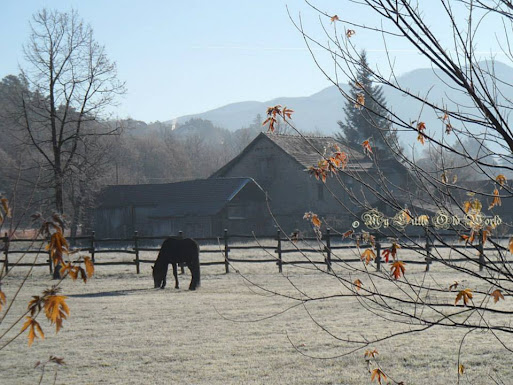
Have you ever tried to take a nice walk in the Nature early in a Winter morning, when the sun is about to peek over the horizon?
There is an intimacy with the 'whole', a confidentiality that no other season gives us a gift.
In all other seasons, people experience a kind of openness next to each other; only in winter can you have longer and quieter moments in which to enjoy belonging to yourself.
The winter days are transparent, pure, spotless, with a veil of snow or frost, animated by the crisp air and the sun that shines shyly without heating.
The simplicity of winter has a profound moral: the return of nature after a season of splendor and prodigality, the return to simple and austere habits.

•❆•*´¨`*•❆•*´¨`*•❆•


Avete mai provato a concedervi una bella passeggiata nella natura il mattino presto d'inverno, quando il sole sta per fare capolino all'orizzonte?
Vi è un'intimità con il tutto, una riservatezza di cui nessun'altra stagione ci fa dono.
In tutte le altre stagioni le persone vivono una sorta di apertura gli uni accanto agli altri; solo in inverno si possono avere momenti più lunghi e tranquilli in cui gustare l’appartenenza a sé stessi.
I giorni d'inverno sono trasparenti, puri, senza macchia, con un velo di neve o di gelo, animati dall'aria frizzante e dal sole che illumina timido senza scaldare.
La semplicità dell’inverno ha una profonda morale: il ritorno della natura dopo una stagione di splendore e prodigalità, il ritorno alle abitudini semplici ed austere.


Soffia, soffia, vento d'inverno,

Che non sei così crudele,

Come l'ingratitudine dell'uomo;

Il tuo dente non si fa così tagliente

Solo perché non sei visto,

Nonostante il tuo alito sia vigoroso...


Dalla poesia di William Shakespeare (1564-1616) Blow, Blow, Thou Winter Wind pubblicata per la prima volta nel 1623 nella famosa commedia As You Like It (1599-1600).


In the hope You've enjoyed this walk made hand in hand with me 

breathing the cool of our Winter, 

I'm sending blessings to You all

See you soon ❤


Nella speranza che abbiate gradito questa passeggiata 

fatta mano nella mano con me

respirando il fresco del nostro inverno,

auguro ogni bene a tutti Voi

A presto ❤


LINKING WITH:


sabato 3 dicembre 2016

Gimmel Rings and the secret messages they hid - History of engagement and wedding rings.


A curious artist wrought 'em,
With joynts so close as not to be perceiv'd;
Yet are they both each other's counterpart.

John Dryden (1631- 1700), from Don Sebastian (1690)


La storia degli anelli come simbolo di amore ci porta lontano, anzi, lontanissimo nel tempo ...
Pensate che i primi a scambiarsi i così detti "anelli d'amore" furono gli antichi Egizi per i quali il cerchio, una linea senza fine, aveva un significato particolare in quanto rappresentava la vita eterna e l'amore ed alla sua apertura circolare veniva attribuito il valore di una sorta di porta aperta verso mondi sconosciuti;


Stampa dal dipinto originale ad acquerello dal titolo "In a Hole in the Ground", Lord of the Rings


ad essi veniva quindi attribuita una notevole rilevanza anche se erano spesso fatti con materiali semplici quali canne di bambù - ed in tal caso non potevano che essere a 'schiavetta' - o legno.


 Anello tardo egizio in legno intagliato.


Presso la cultura classica gli anelli furono utilizzati come sigilli e si narra che fu proprio un sigillo ad ispirare i primi anelli di fidanzamento conosciuti nell'antica Roma. Perciò, se alla cultura egizia si deve l'aver legato l'anello all'amore, a quella romana dobbiamo l'averlo trasformato in simbolo del matrimonio. Più comunemente, l'anello nuziale acquistò la definizione di "Fede" e raffigurava due mani che si stringono in segno di Amore o di accordo / dextrarum iunctio, fatto in oro o scolpito nelle pietre dure, quali il granato o l'onice.

Nell'esempio illustrato nella fotografia sottostante potete ammirare una fede fatta in oro massiccio proprio nel modello che vi ho testé descritto:


Fede del XVI° secolo


Gli anelli così detti a Fede, anche se forgiati in differenti stili, rimasero in voga in Europa per più di mille anni, per poi decadere e tornare prepotentemente attuali nel periodo basso medioevale, per l'esattezza con l'anno 1100 ca, per divenire sempre più elaborati nel tempo e raggiungere l'apice del loro splendore, dal punto di vista manifatturiero, nel XVI secolo in Germania, in Gran Bretagna ed in Irlanda ... sì, fu l'epoca rinascimentale a vedere i più preziosi anelli d'amore che mai furono creati prima di allora ! 

In Germania gli abili maestri orafi del 1500 crearono il GIMMEL o GIMMAL RING, dal latino 'GEMELLUS' che significa gemello e che già ci rende edotti sulla sua struttura: in questo caso due erano gli anelli che, uniti, formavano un unicum, due anelli complementari tra loro erano il dono che gli innamorati si scambiavano in occasione del fidanzamento promettendosi amore eterno ed il giorno del matrimonio, quando la promessa veniva benedetta ed il vincolo che li legava diveniva Sacro ed Indissolubile, gli anelli si univano ed il nuovo anello, composto delle due metà, veniva di solito portato dalla sposa.


Gimmel Ring, British Museum


Ma vi è qualcosa che ancora non vi ho detto che rende questi anelli particolarmente preziosi: osservate con attenzione l'immagine che segue che rappresenta un GIMMEL RING tedesco datato 1631 e conservato al Metropolitan Museum di New York:


una delle due parti in cui l'anello è suddiviso è ornata da un rubino, l'altra da un diamante. Quando l'anello combinato è diviso nelle sue due metà, si ottiene un anello con diamante con inciso "QUOD DEUS CONIUNXIT" e un anello con rubino con incise le parole "HOMO NON SEPARET.", ossia :"Ciò che Dio ha unito nessun uomo mai separi".

In epoca elisabettiana gli anelli gemelli in Inghilterra vennero nominati JOINT RING e di essi è fatta menzione in numerose opere letterarie di Shakespeare, incluso l'Othello, ed anche il poema di Robert Herrick - lirico inglese del XVII secolo appartenente alla scuola dei Poeti Cavalieri - dal titolo The Jimmall Ring or True-Love Knot (1648) basa la propria trama su di un Gimmal / Gimmel Ring.

Della stessa epoca è la creazione irlandese detta CLADDAGH RING, in cui le parti di cui si compone l'anello sono tre, due esterne che recano come fregio una mano, quella centrale un cuore 


spesso con una corona sopra: unito l'anello le due mani sembrano custodire il cuore dal male in nome dell'Amore.


Sempre al XVII secolo appartengono i POSY RINGS - posy o posie costituisce il verso di una poesia - che furono di gran moda già un paio di secoli prima soprattutto nelle isole britanniche: si tratta di anelli a Fede che recavano una scritta dapprincipio all'esterno, poi, divenendo le citazioni sempre più personali e private, fu richiesta ai maestri orafi l'abilità di incidere la scritta all'interno dell'anello e fu così che con la fusione di due monete d'oro si ottenevano due anelli d'amore in cui i meno abbienti si accontentavano di far scrivere semplicemente frasi quali "Amami e non lasciarmi mai più" o "Due corpi, un solo cuore." - "Love me and leave me not" o "Two bodies, one heart."

   
  POSY RING “PROVIDENCE DIVINE HATH MADE THEE MINE”, XVII° secolo, inglese,             Met Museum of Art


Tornando ai GIMMEL RINGS, prima che venisse introdotta la Marriage Act del 1753 in Inghilterra ed in Galles, il matrimonio non richiedeva una cerimonia formale per essere valido, era sufficiente il mutuo consenso ed erano necessari taluni segni e simboli che tale consenso dovevano dimostrare. Ebbene, con i suoi doppi componenti, ognuno appartenente ad un membro della coppia, il GIMMEL RING era il modo perfetto per comunicare ed esprimere che entrambe le parti condividevano legalmente una vita insieme.

In epoche più recenti tali anelli si sono evoluti per divenire o un anello unico recante come decoro la medesima simbologia di cui si faceva portatore quello composto, come ci mostra l'esempio di questa fotografia in cui possiamo vedere un anello di fidanzamento di epoca Regency, 


o, rimanendo composti ed uniti da un perno, anelli più stilizzati, a semplice 'schiavetta', come erano anticamente i più semplici anelli egizi risalenti a ben 5000 anni or sono !


  GIMMEL RING di epoca vittoriana (1897)


GIMMEL RING di epoca edoardiana (1917)


E, rimanendo sempre nell'epoca edoardiana, mi piace citare una delle più belle frasi di Hugo von Hofmannsthal (1874 - 1929), scrittore, drammaturgo e librettista austriaco, per chiudere romanticamente questo mio scritto dedicato, in ultima istanza, al nobile sentimento dell'Amore che non conosce limiti alla propria forza:


Una piuma può tornire una pietra se la muove la mano dell’amore.


ed ancor prima, in piena epoca vittoriana, scriveva Victor Hugo (1802 - 1885), considerato fondatore del Romanticismo francese:


Ho incontrato per strada un uomo molto povero ed innamorato,
 portava un vecchio cappello ed un cappotto strappato. L’acqua gli entrava nelle scarpe e le stelle nell’animo.


Augurando a ciascuno di voi di aver sempre a propria guida questo sentimento, maestro e padre di tutti gli altri che al bene afferiscono, vi giunga gradito il mio più sentito ringraziamento,

a presto  💕


A curious artist wrought 'em,
With joynts so close as not to be perceiv'd;
Yet are they both each other's counterpart.

John Dryden (1631- 1700), from Don Sebastian (1690)


- picture 1 - Gold engagement ring, or fede ring, made in southern Germany in the last quarter of the XVIth century


- picture 2


The story of rings as a symbol of love takes us back in time quite a lot ...
Think that the first to exchange the so-called "love rings" were the ancient Egyptians for whom the circle, as an endless line, had a special significance as it represented eternal life and love and at its circular opening was attributed the value of something as an open door to unknown worlds;


- picture 3 - Print from the original watercolor "In A Hole in the Ground," Lord of the Rings


It was then attributed to them a considerable importance even though they were often made with simple materials such as bamboo canes - and in this case they were but 'slave rings' - or wood.


- picture 4 - Late Egyptian ring made by carved wood.


In the classical culture rings were used as seals and it is said that it was just a seal that inspired the first engagement ring known in the ancient Rome. Therefore, if the Egyptian culture had the merit of having tied love to a ring, Romans had that of having turned it into the symbol of marriage. Most commonly, the wedding ring earned the definition of "Fede" (Faith) and depicted two clasped hands as a sign of love or agreement / dextrarum iunctio, made of in gold or carved in semiprecious stones such as garnet or onyx.

In the example shown in the photo below you can see a Fede made of solid gold in the model that I have just described to you:


- picture 5 - Fede ring of the XVIth century


The so-called Fede rings, even if forged in different styles were in vogue in Europe for over a thousand years and then fell into disuse to come back strongly prevailing during the low-medieval period, to be exact with the year 1100, to become more and more elaborate over time and reach the pinnacle of their glory, from a manufacturing point of view, in the XVIth century in Germany, Great Britain and Ireland ... yes, it was the Renaissance period which saw the most precious love rings that were never created before !

In Germany, skilled goldsmiths created, in 1500, the GIMMEL or GIMMAL RING, from the Latin 'Gemellus' which means twin, word which makes us aware about its structure: in this case, the rings were two, joined, to form a unique ring, two complementary rings, one for each member of the couple was the gift that lovers exchanged on the occasion of their engagement promising each other eternal love and on the wedding day, when the promise was blessed and the bond linking them became Sacred and Indissoluble, the rings were united and the new ring, compound of the two halves, was usually put on the bride's finger


- picture 6 - Gimmel Ring, British Museum


But there is something that I still haven't told you that makes these rings so very precious: look carefully the following picture which represents a German GIMMEL RING dated 1631 kept at the Metropolitan Museum in New York:


- picture 7


one of the two parts into which the ring is divided is adorned with a ruby, the other with a diamond. When the ring is divided into its halves, you get a diamond ring engraved with the words "QUOD DEUS CONIUNXIT" and a ruby ring engraved with the words "NO HOMO SEPARET.", Namely: "What God has joined no man never separate."

During the Elizabethan times the twin rings in England were named JOINT RING and they're mentioned in many literary works of Shakespeare, including Othello, and even the poem by Robert Herrick - English lyric poet belonging to the school of the Knights Poets - entitled the Ring Jimmall or True-Love Knot (1648) bases its plot on a Gimmal / Gimmel Ring.

From the same period is the Irish creation known as CLADDAGH RING, in which the parts that make up the ring are three, three interlocking hoops, the two external bearing a hand as a frieze, that in the middle a heart


- picture 8


often with a crown above: when worn, the two clasped hands seem to guard the heart from the evil in the name of Love.


- picture 9


Also to the XVIIth century belong the POSY RINGS - posy or posie is the line from a poem - which were all the rage already a few centuries before, especially in the British Isles: they were Fede rings that bore an inscription on the outside at first, then, becoming the quotations increasingly personal and private, it was required to master goldsmiths the ability to engrave the inscription inside the ring, and so it was that merging two gold coins they were obtained two love rings where the poor were content to simply write sentences such as "Love me and leave me not" or "Two bodies, one heart."


- picture 10 - POSY RING "DIVINE PROVIDENCE HATH MADE THEE MINE", XVIIth c., English, Met Museum of Art


Returning to GIMMEL RINGS, before it was introduced the Marriage Act of 1753 in England and Wales, marriage didn't require a formal ceremony to be valid, it was enough a mutual consent and were required certain signs and symbols that such consent had to demonstrate. Well, with its twin components, each belonging to a member of the couple, the GIMMEL RING was the perfect way to communicate and express that both parties legally shared a life together.

In recenter times these rings have evolved to become or a single ring bearing the same decoration and therefore the same symbolic meaning of the older ones which were composed, as we may see from the example of this photograph where there is a Regency era engagement ring,


- picture 11


or, remained composed and united by a pin: they were more stylized rings, simple 'slave rings' as the simplest Egyptians rings dating back to almost 5000 years ago!


- picture 12 - GIMMEL RING belonging to the Victorian age (1897)

- picture 13 - GIMMEL RING dating back to the Edwardian era (1917)


And, always remaining in the Edwardian era, I like to quote one of the most beautiful phrases of Hugo von Hofmannsthal (1874 - 1929), Austrian writer, playwrighter and librettist, to close romantically this writing of mine, ultimately dedicated to the noble sentiment of Love that knows no limits to its Power:


A feather can throw a stone if to move it it is the hand of love.


and even before, in full Victorian era, Victor Hugo (1802 - 1885), considered the founder of the French Romanticism, wrote:


I met on the street a man, very poor and in love. 
He wore an old hat and a torn coat. 
The water entered into his shoes and the stars into his soul.


Wishing each of you to have always this feeling as your own guide, for it is teacher and father of all others sentiments belonging to good, may you receive welcome my most heartfelt thanks,


see you soon 💕